Explore our industrial-grade material handling subsystems engineered for automated storage, parcel sorting, and flexible manufacturing assembly lines.
Analyzing technical frameworks, OEM/ODM manufacturing standards, and the integration of smart logistics networks.
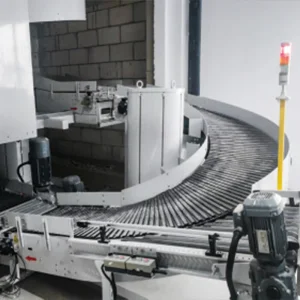
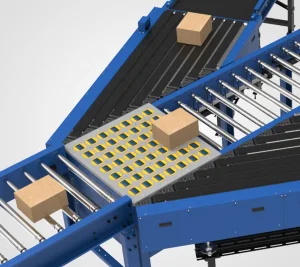
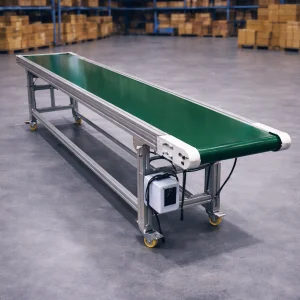
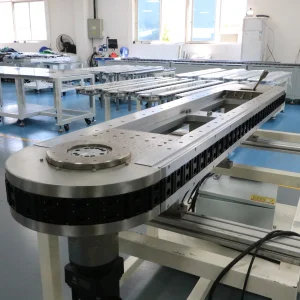
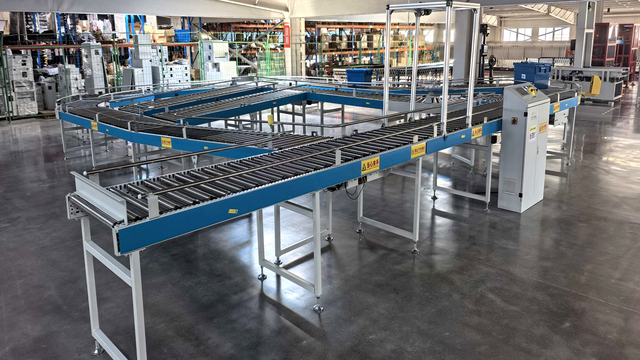
In modern industrial facilities, manual warehousing is rapidly giving way to automation. The backbone of this transformation is the Automated Guided Conveyor System. Integrating sensors, PLCs, and intelligent WMS (Warehouse Management System) interfaces, these automated systems streamline logistics routing, reduce structural labor shortages, and eliminate throughput bottlenecks. For global supply chains, partnering with an experienced OEM/ODM factory guarantees that automated systems are custom-tailored to handle specific payload geometries, cycle times, and structural floor plans.
Expert Insight: Modern automated conveyors are no longer isolated transportation loops. Under Industry 4.0 architectures, they act as dynamic physical sorting databases, collecting sensor telemetry in real-time to adjust line speed, predict component maintenance, and optimize dynamic load balancing.
A high-performance automated guided conveyor relies on a modular, multi-layered hardware and software stack. This integration ensures robust vertical lifting, high-speed sorting, and heavy pallet transport. Key elements include:
Utilizing high-end PLCs (such as Siemens S7-1500 or Beckhoff TwinCAT systems) to synchronize drive rollers, scanners, and pneumatic diverters at sub-millisecond response times.
Rigid steel frame construction combined with quick-assembly extruded aluminum configurations, engineered for rapid setup and long-term durability in high-demand hubs.
Smart variable-frequency drives (VFD) and Run-On-Demand zone sensor intelligence ensure rollers only activate when load detection occurs, reducing energy usage by up to 40%.
By leveraging customized OEM/ODM design processes, system integrators can deploy complex automated guided conveyor loops. Whether handling 50kg parcels on sorting lines or moving 2,000kg automotive chassis on heavy chain systems, precision engineering guarantees continuous runtime.
Unlocking massive production capacity, localized raw material cost control, and world-class industrial engineering.
The Yangtze River Delta region stands as the world's most robust ecosystem for industrial automation and mechanical fabrication. As a specialized manufacturer located in Hangzhou, China, Hangzhou Maith Conveyor Co., Ltd. leverages a dense supply chain networks of steel, precision motor systems, electronic component suppliers, and precision tooling facilities. This geographic advantage results in significant structural cost savings and shorter R&D iterations, which we pass directly to our global OEM partners and end-users.
Standard off-the-shelf conveyor units often fail to meet the rigorous constraints of custom-built AS/RS (Automated Storage and Retrieval Systems) and high-speed sortation centers. Our comprehensive OEM/ODM engineering capability solves this gap:
Navigating safety certifications, electrical standards, and international deployment logistics.
For multinational corporations and global EPC contractors, procuring material handling equipment requires strict compliance with domestic regulations. Our system engineering processes are built from the ground up to support international standards, ensuring seamless project approvals and safe operations.
| Target Market | Required Certifications | Standard Compliance Integration |
|---|---|---|
| European Union (EU) | CE Mark, Machinery Directive 2006/42/EC, EN ISO 12100 | Low-voltage components, certified light curtains, safety interlocks, and emergency stop circuits. |
| North America (US & Canada) | UL 508A, NFPA 79, OSHA Standards | NEMA/IP rated enclosures, certified wiring harnesses, and metric-to-imperial mounting adaptability. |
| Global Operations | ISO 9001:2015, ISO 14001, ISO 45001 | Documented quality checks, environment-friendly finishes, and structural lifecycle stress validation. |
To bridge geographical gaps, Hangzhou Maith Conveyor provides robust localized support networks through direct field service partners and dedicated remote engineering departments. We minimize downtime through a structured project lifecycle:
Leading the next generation of predictive maintenance, autonomous material transport, and energy conservation.
The boundaries between fixed conveyor systems and autonomous vehicles (AGVs/AMRs) are dissolving. Modern automated guided conveyors are now integrated with docking points, allowing robot fleets to automatically load and unload heavy pallets. This symbiotic workflow reduces dead time, optimizes floor space, and creates a highly flexible warehousing environment capable of adjusting to seasonal demand fluctuations.
By integrating multi-axis vibration sensors and temperature monitors directly into critical drive shafts and motor bearings, our intelligent conveyor lines send operational data to an edge-AI controller. Using advanced machine learning algorithms, the system identifies potential wear patterns weeks before component failure occurs. This predictive approach minimizes unscheduled downtime, extending the structural lifecycle of warehouse assets.
Answering high-intent questions regarding payload capacities, system integration, and production lead times.
For custom engineering, our typical timeline spans 4 to 6 weeks for design approval and prototyping, followed by 6 to 8 weeks for fabrication and factory testing. Complex systems, such as automated vertical lifts and sorting systems, may require up to 12 weeks depending on system complexity and total volume.
Yes. Our intelligent PLC panels support standard communication protocols such as Profinet, EtherCAT, Modbus TCP, and Ethernet/IP. This allows our control systems to integrate directly with higher-level software platforms (SAP, Oracle, Manhattan, etc.) or custom-programmed WCS software.
Every conveyor system undergoes standard FAT (Factory Acceptance Testing) at our 30,000 sqm Hangzhou facility. We perform mechanical stress tests, run-in tests for motor performance, load test at 120% of rated capacity, and full electrical diagnostic scans. Verification video data and calibration sheets are provided prior to export.
Depending on application environments, we work with carbon steel (powder coated in RAL colors), SUS304/SUS316 stainless steel for food-grade cleanrooms, and high-strength extruded aluminum profiles. Surface treatments include electrostatic powder coating, hot-dip galvanizing, and electro-polishing.
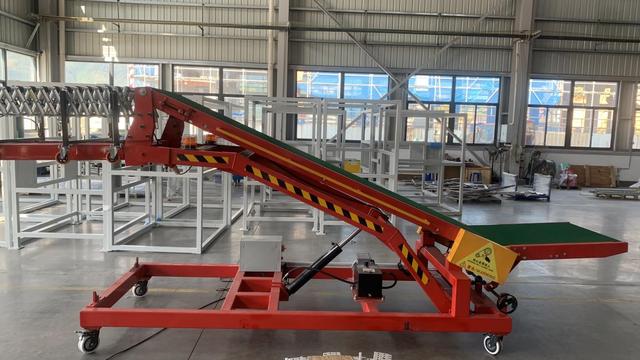
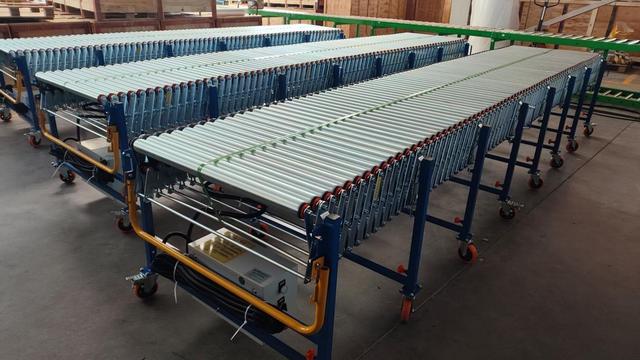
Explore our specialized sorting, scanning, telescoping, and heavy pallet conveyor components for end-to-end warehouse automation.
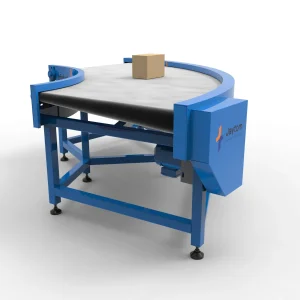
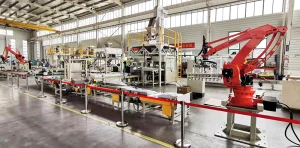
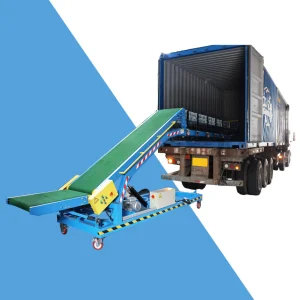
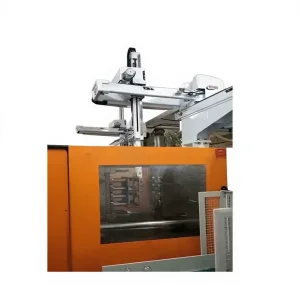
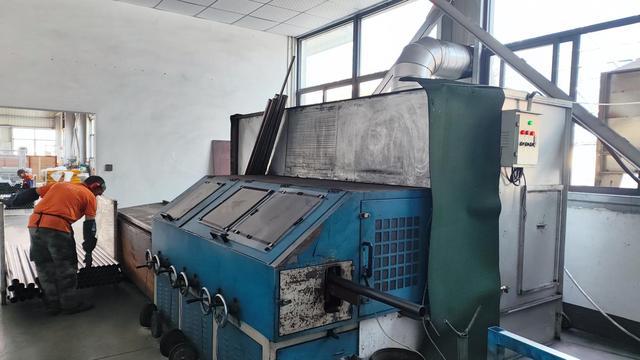
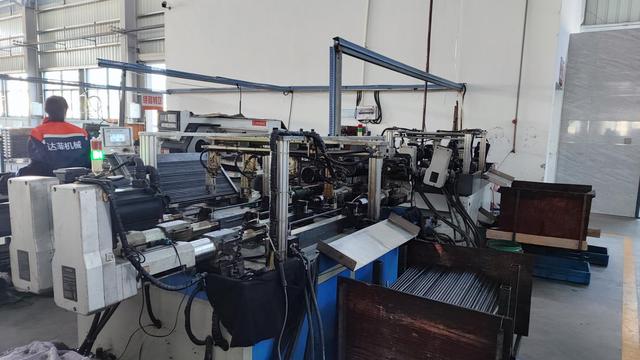
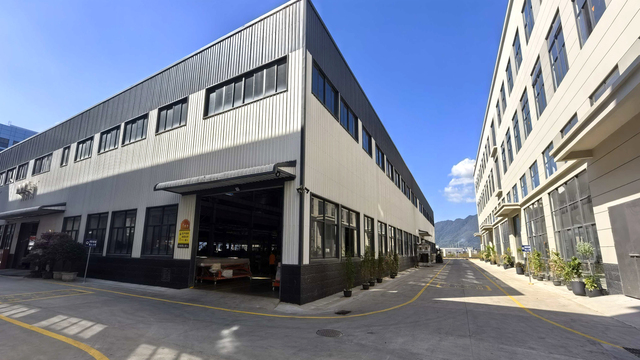
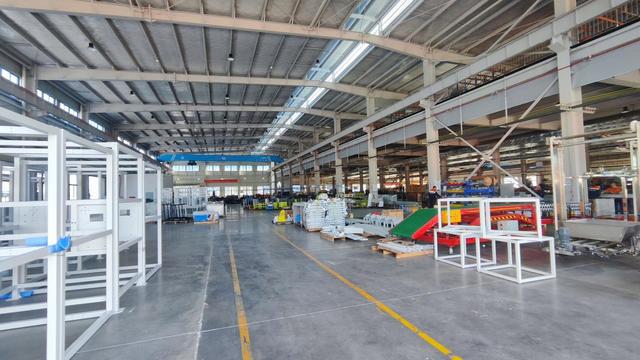
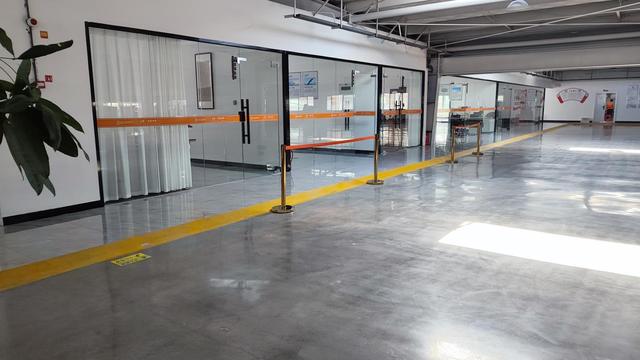
Take an inside look at our 30,000 square meter manufacturing base, fabrication workshops, and precision testing lines.
 Maith Conveyor