Analyzing Semantic Trends and the Future of Material Handling
The global logistics automation market is projected to reach USD 120 billion by 2030. As e-commerce giants transition toward 24-hour fulfillment cycles, the demand for Custom OEM Conveyor Solutions has shifted from basic transport to intelligent, data-driven sortation. Factories are no longer just building machines; they are integrating "Information Gain" via IoT sensors and AI diagnostics.
Modern procurement officers are no longer searching for just "conveyors." Their intent is focused on "Throughput Optimization," "Modular Scalability," and "Reduced Maintenance Downtime." Our engineering team at Hangzhou Maith focuses on these semantic needs, ensuring every OEM project delivers measurable ROI through energy-efficient motors and high-cycle reliability.
Being an exporter is about more than shipping; it's about localized compliance. From CE certifications to UL standards, Maith Conveyor integrates global safety protocols into our 30,000sqm production facility, ensuring our solutions fit seamlessly into European, American, and SE Asian industrial ecosystems.
Hangzhou Maith Conveyor Co., Ltd. is a professional manufacturer specializing in warehouse conveyor systems, smart logistics automation equipment, and advanced material handling solutions. Established in 2013, we integrate R&D, system design, precision manufacturing, and international OEM/ODM support into a complete industrial automation ecosystem. With over 360 employees and an annual capacity of 6,500+ systems, we serve the world’s most demanding retail hubs and manufacturing plants.
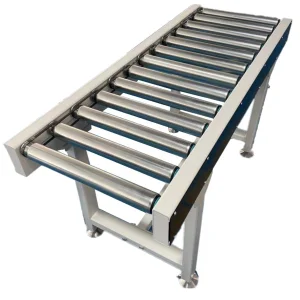
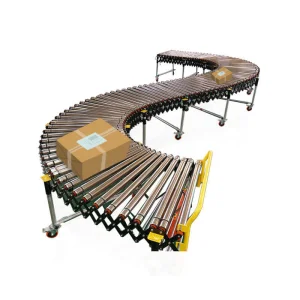
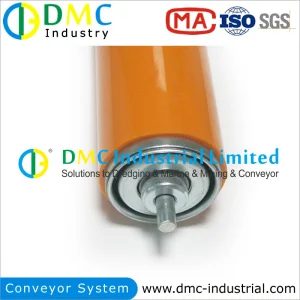
High-speed precision rollers with sealed bearings and stainless steel telescopic features. Focus on durability and friction reduction.
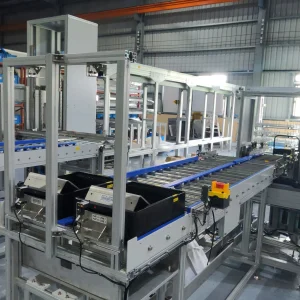
Integration of PLC control systems and photo-eye sensors for Zero Pressure Accumulation (ZPA), reducing package damage and energy waste.
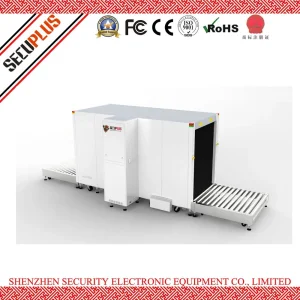
Dimensioning, Weighing, and Scanning (DWS) systems synchronized with AI process management for real-time inventory tracking and dynamic sorting.
Tailored Material Flow for Diverse Sectors
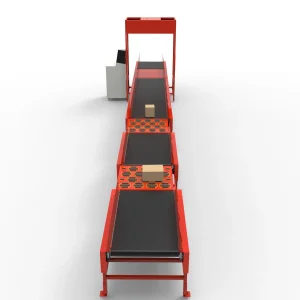
Utilization of Automated Narrowbelt Sorting Lines and Cross-Belt Sorters to handle thousands of SKUs per hour. Our solutions focus on high-speed parcel induction and error-free sortation for "Last Mile" delivery success.
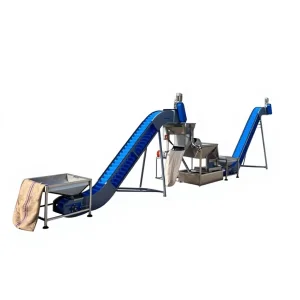
Featuring 30 Feet MS Bucket Food Grade Automatic Modular Belt Conveyors. We use FDA-compliant materials and easy-washdown designs to ensure hygiene in temperature-controlled environments.
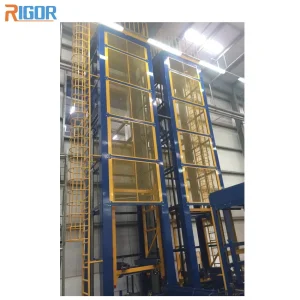
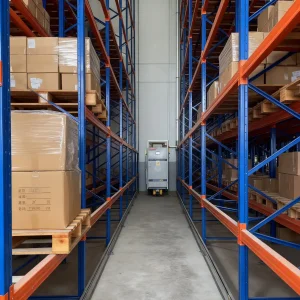
High-load Pallet Handling Systems and Vertical Lift Systems designed for engine blocks, battery cells, and chemical drums. Built with reinforced stainless steel for 24/7 rugged operation.
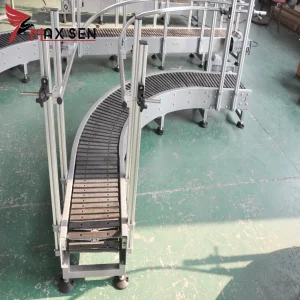
Corrosion-resistant Plastic Top Chain Conveyors that provide stable transport for fragile vials or aggressive chemical containers, integrating seamlessly with cleanroom protocols.
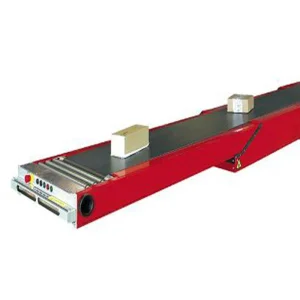
High-reliability Telescopic Conveyors for aircraft loading/unloading, designed to minimize manual lifting and maximize turnaround speed.
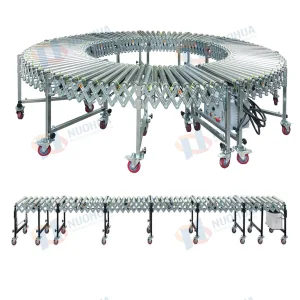
Modular Flexible Gravity Roller Conveyors that can be reconfigured in minutes to adapt to changing floor layouts and seasonal peak demands.
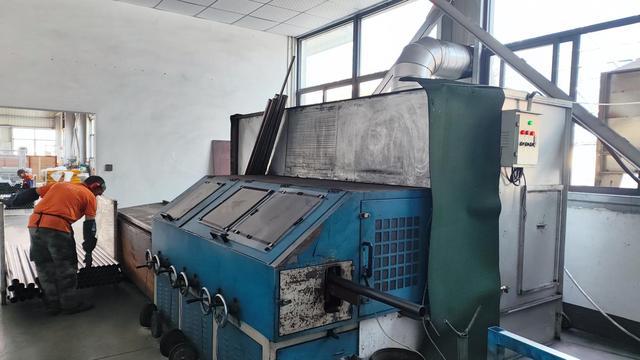
Direct from our 30,000m² Production Hub in Hangzhou
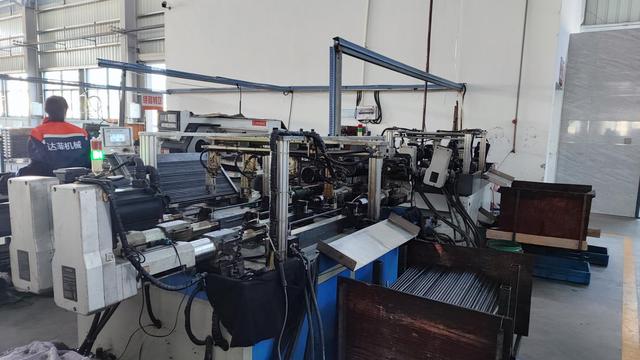
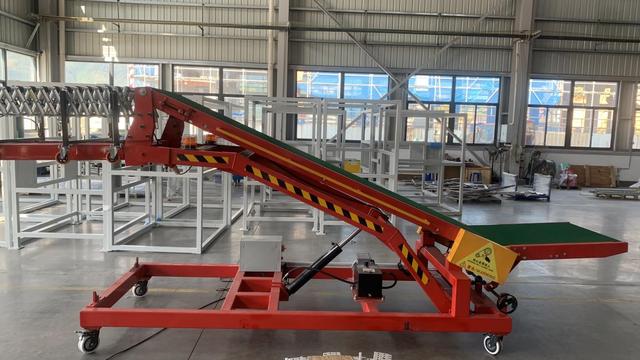
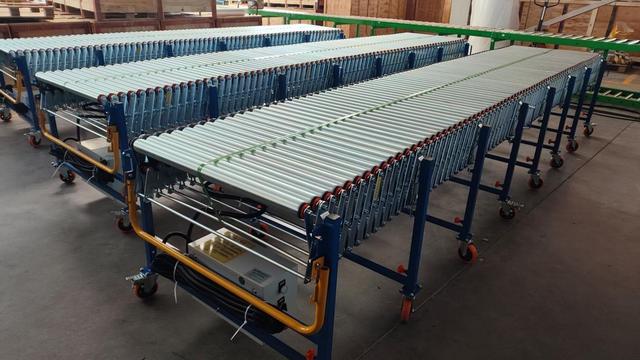
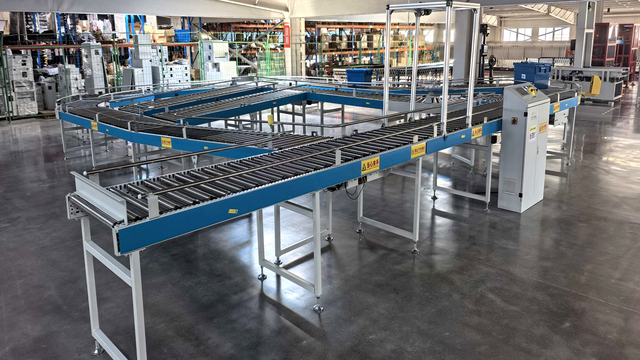
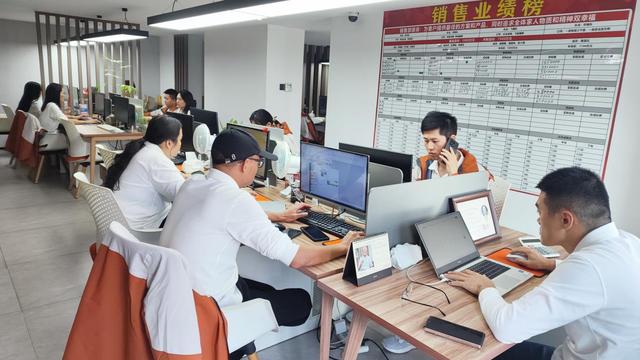
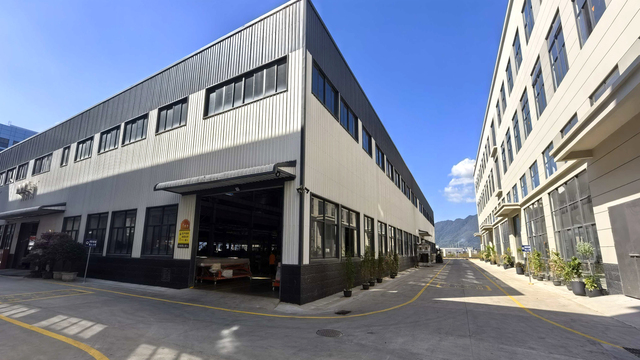
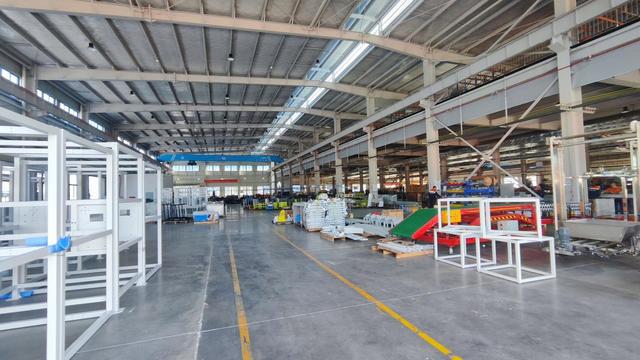
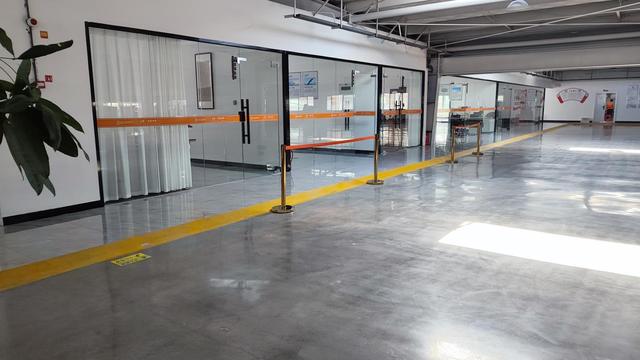
The evolution of Logistics Automation is driven by the convergence of mechanical stability and software intelligence. In the past, a conveyor's value was measured solely by its weight capacity. Today, "Information Gain" is the primary metric. By utilizing AI-driven process management, our systems provide real-time feedback on motor health, throughput bottlenecks, and energy consumption. For example, our Automated Lift Conveyor Systems for battery cells utilize high-load stainless steel and AI-managed vertical transport to ensure zero-vibration movement, which is critical for lithium-ion safety.
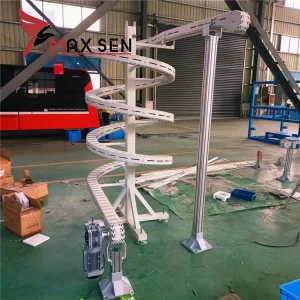
Furthermore, the rise of OEM Customization allows businesses to bypass the "one-size-fits-all" trap. Whether it is a Flexible Chain Spiral Conveyor System for vertical space saving or a Jaytom High-Speed Sorter with DWS, the hardware is designed to communicate with existing Warehouse Management Systems (WMS) via open-source API protocols. This level of integration reduces "Search Intent" friction for engineers who need hardware that "just works" within their digital ecosystem.
 Maith Conveyor