Automated Lift Conveyor System for Battery Cell Vertical Transport with High Load Stainless Steel and AI Process Management

Product Description

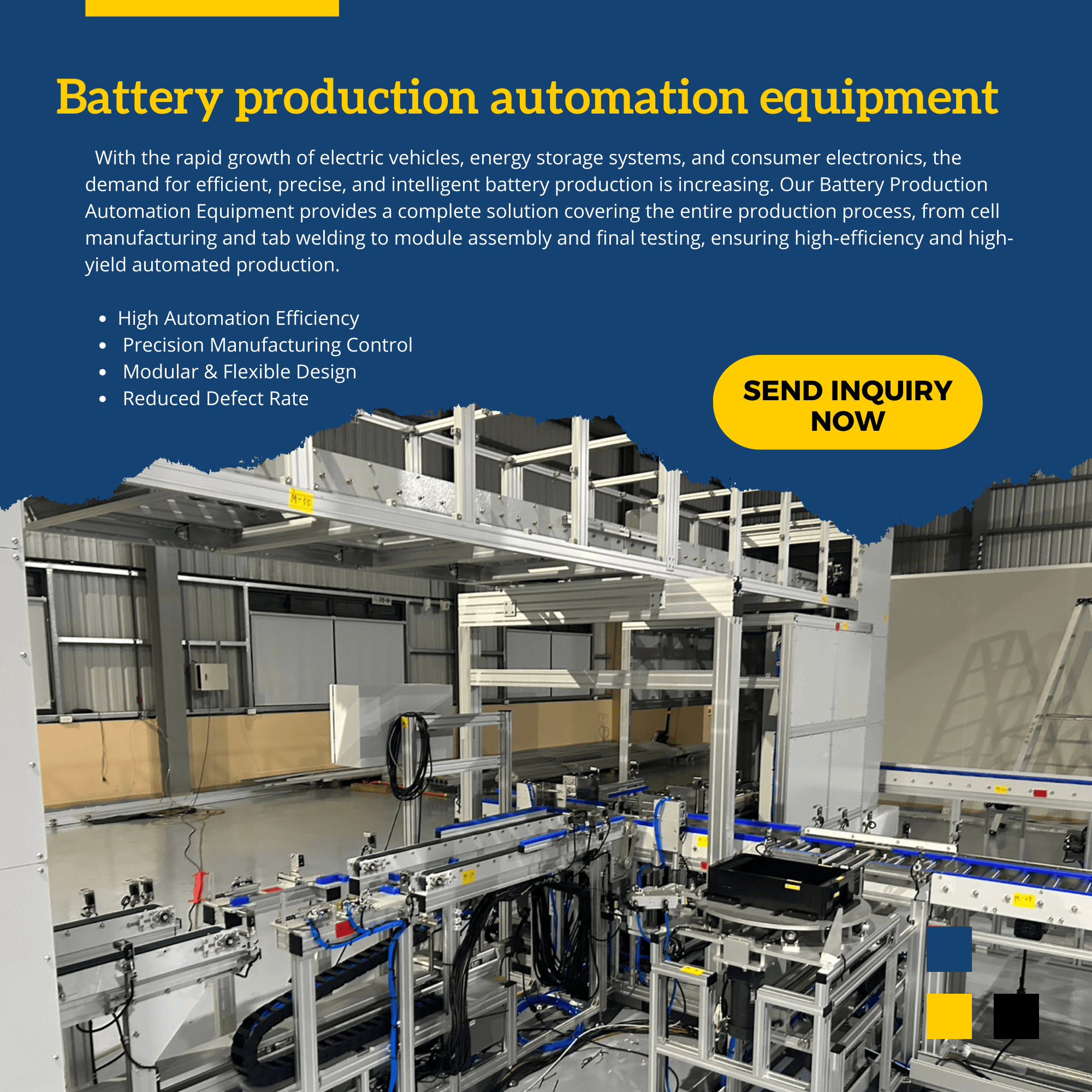
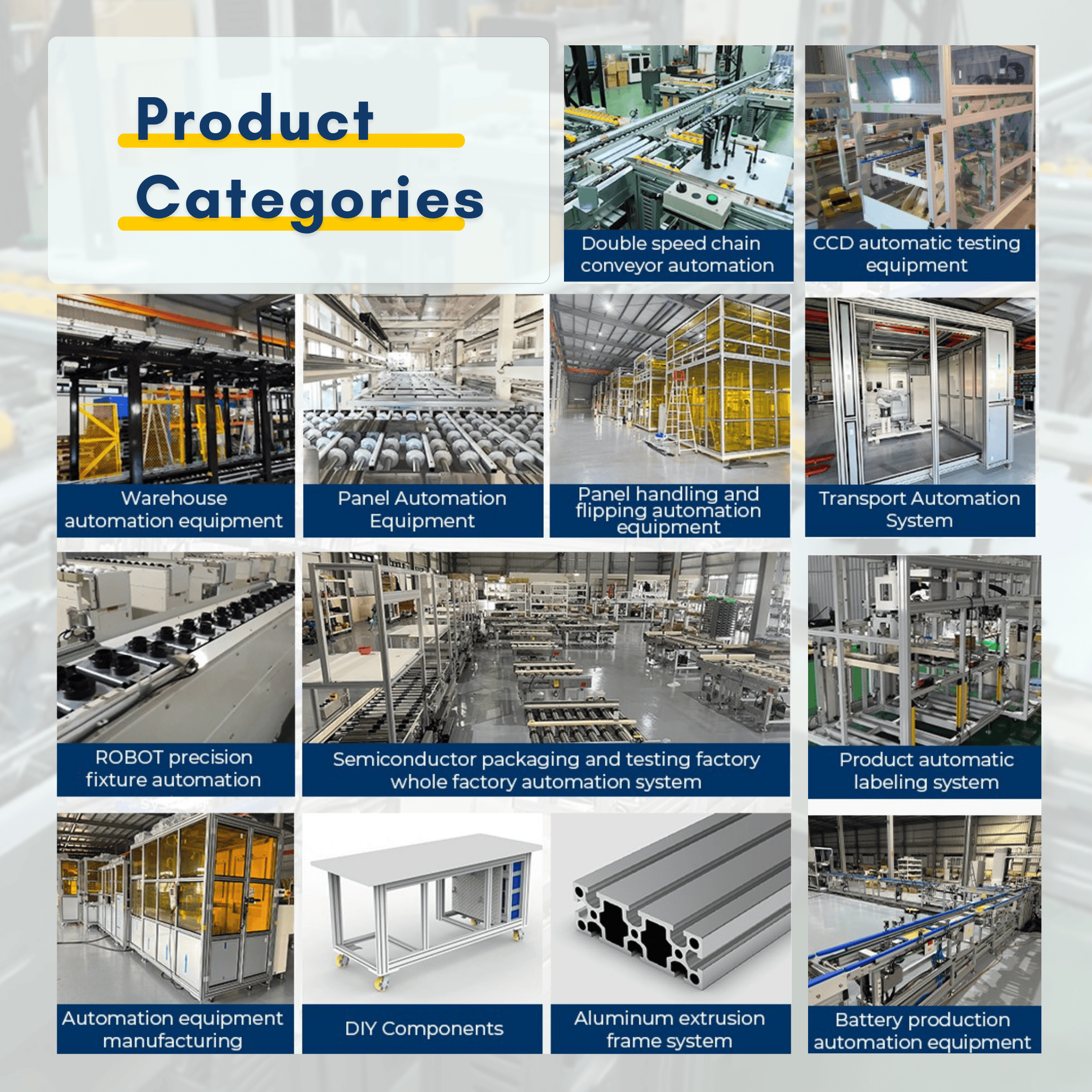
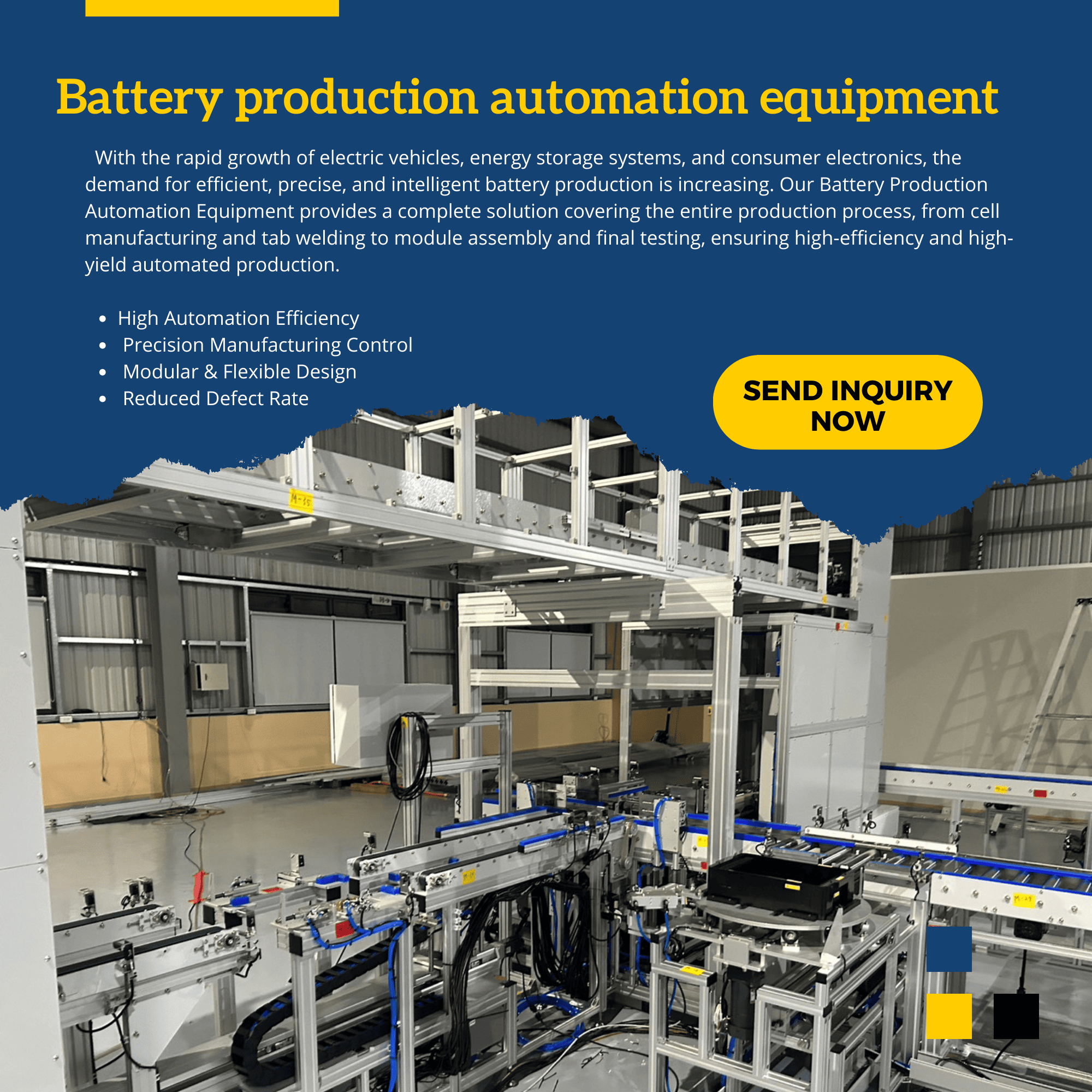
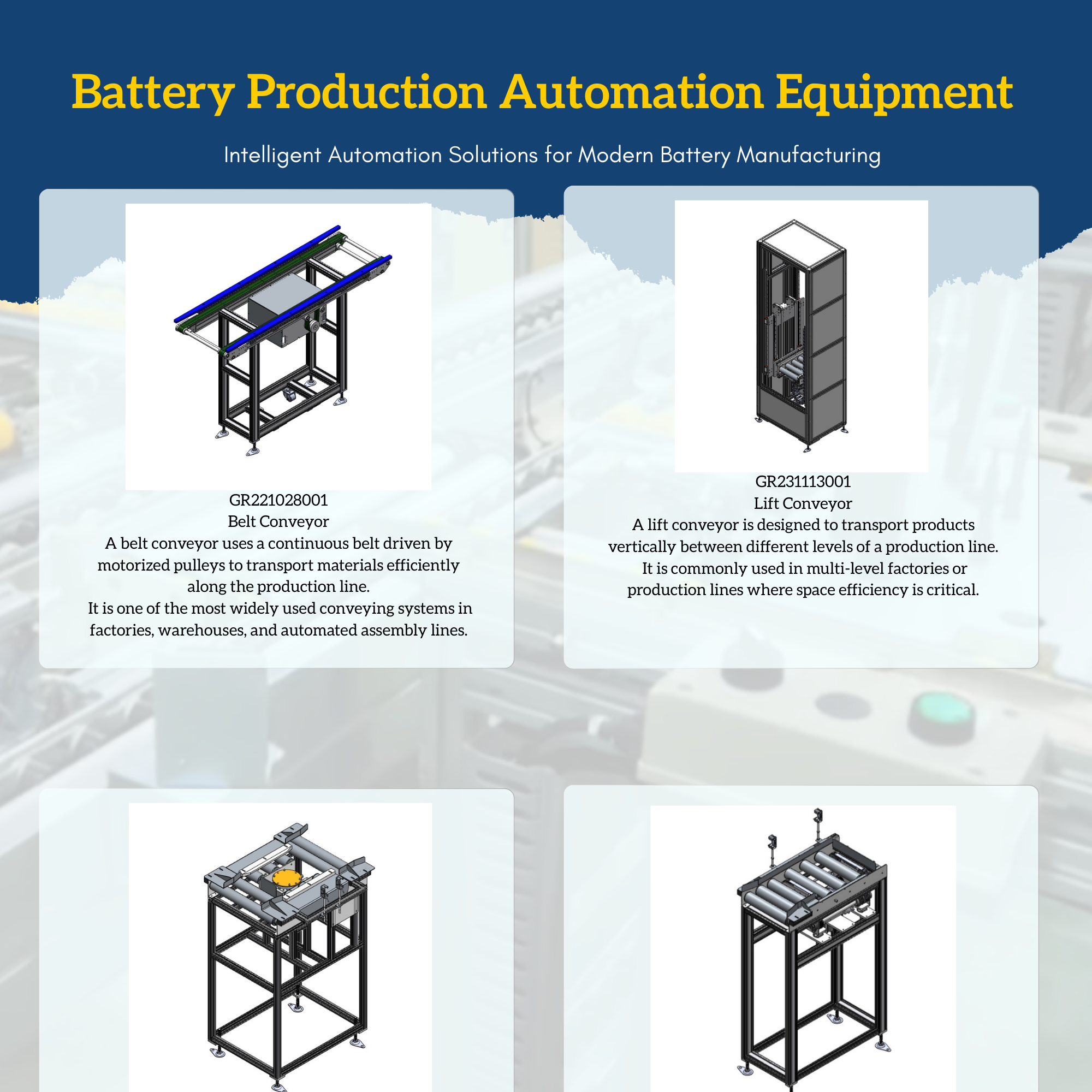
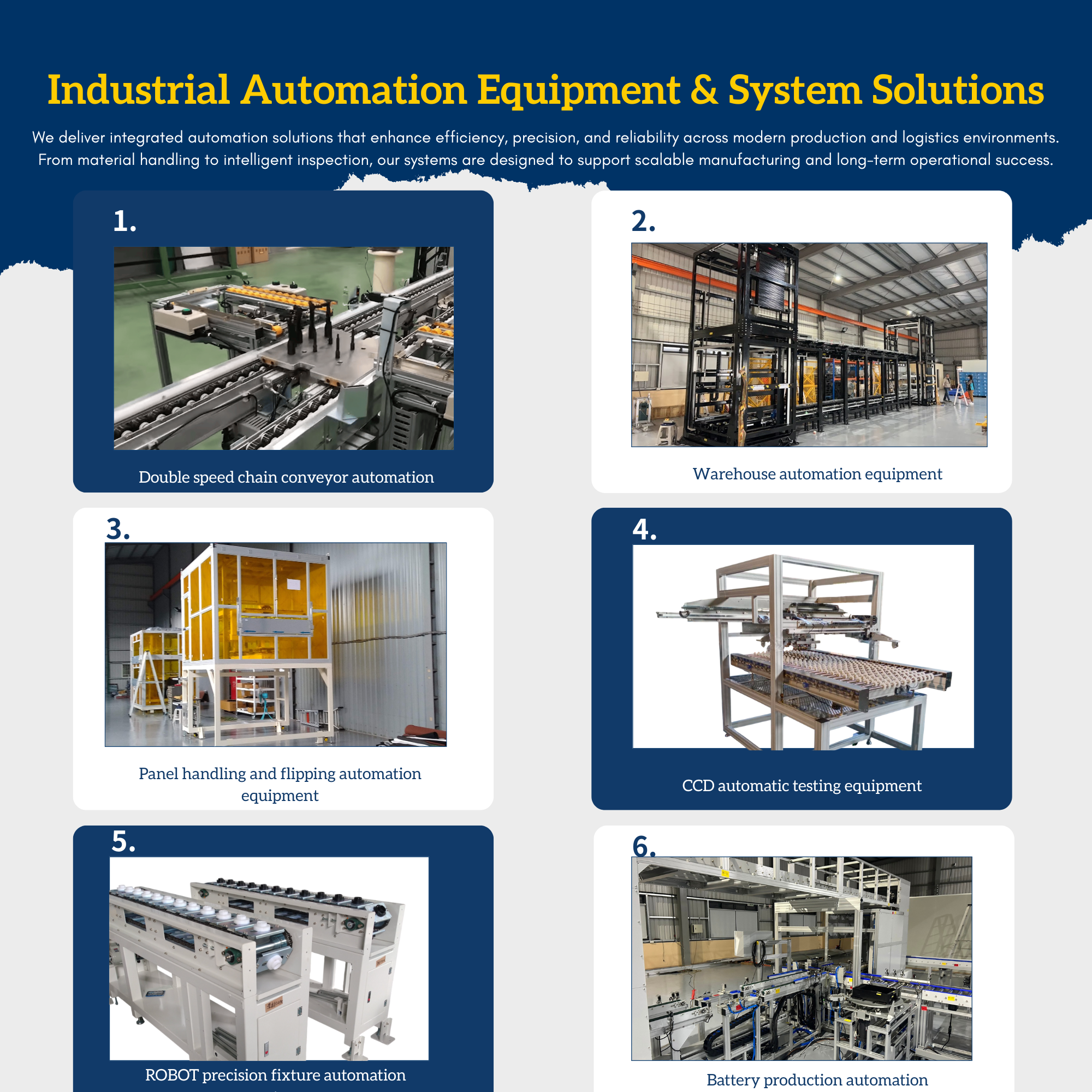
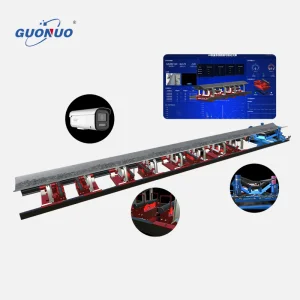
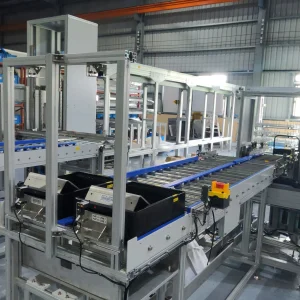
Battery production automation equipment Automation Equipment Showcase Stainless Steel Conveyor Systems
Product Parameters
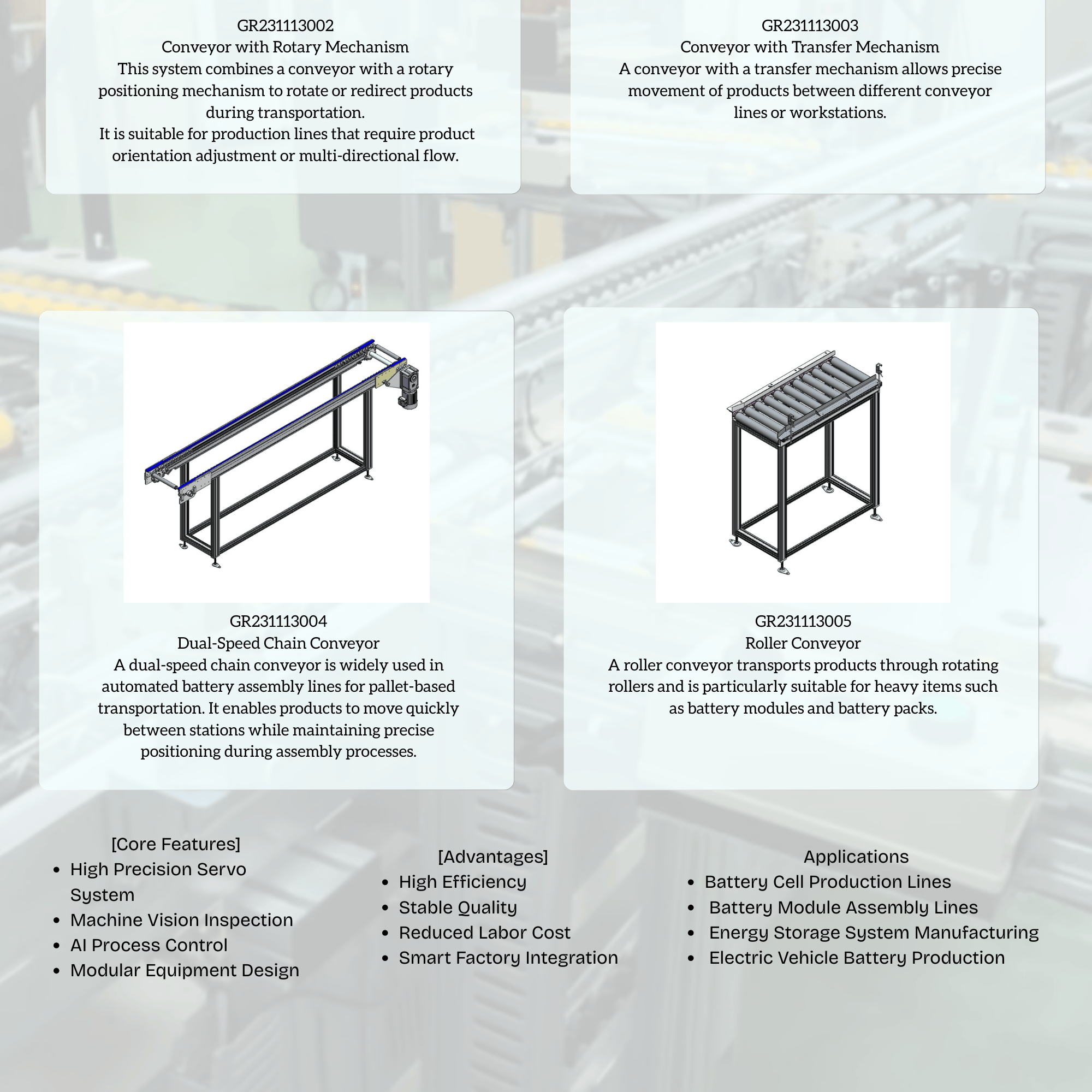
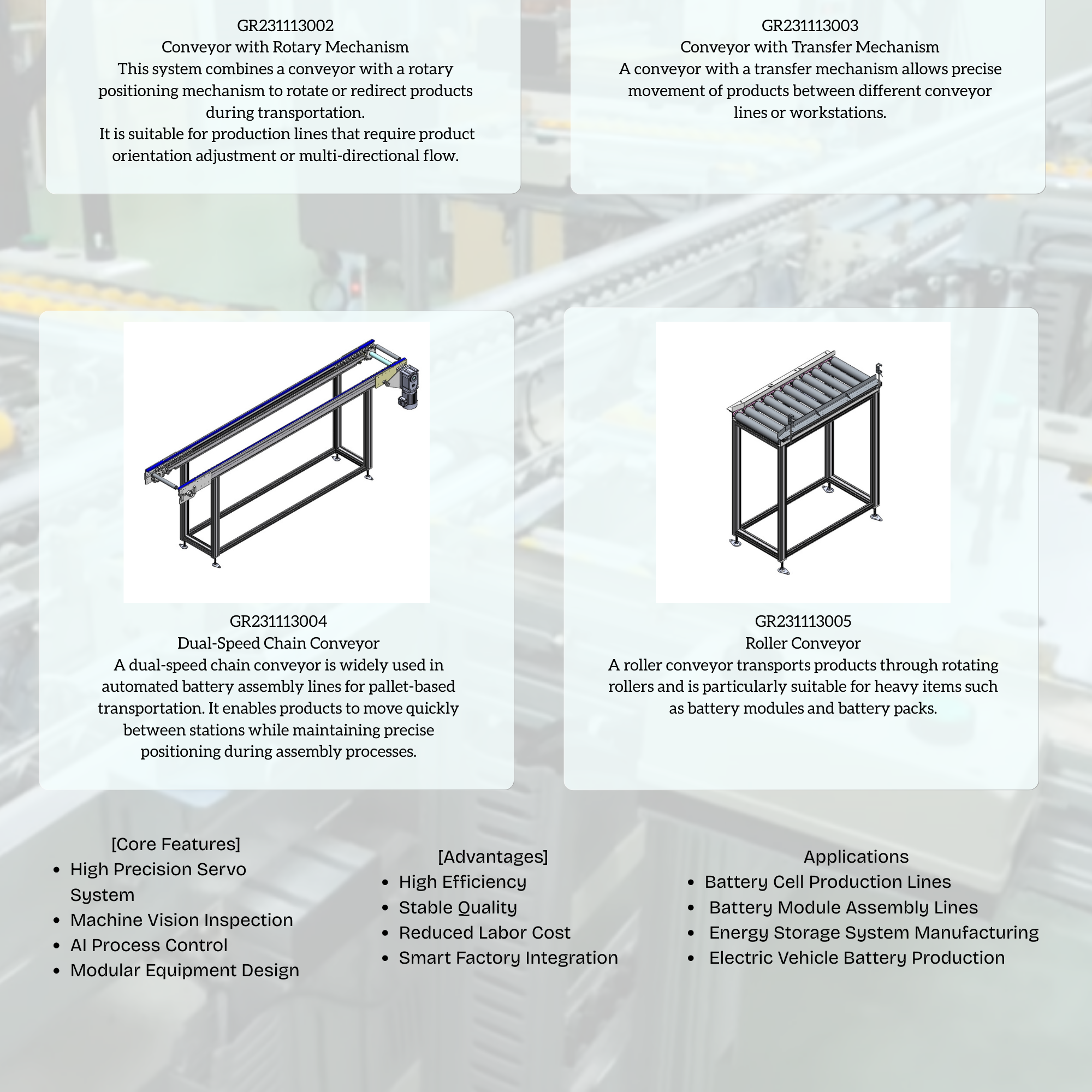
Product Name Roller conveyor
Origin Taiwan
Material SS41、SUS304、POM
Application Roller conveyor with customizable product positioning/displacement
Finish Anodizing
Defects Liability Period 1 Year
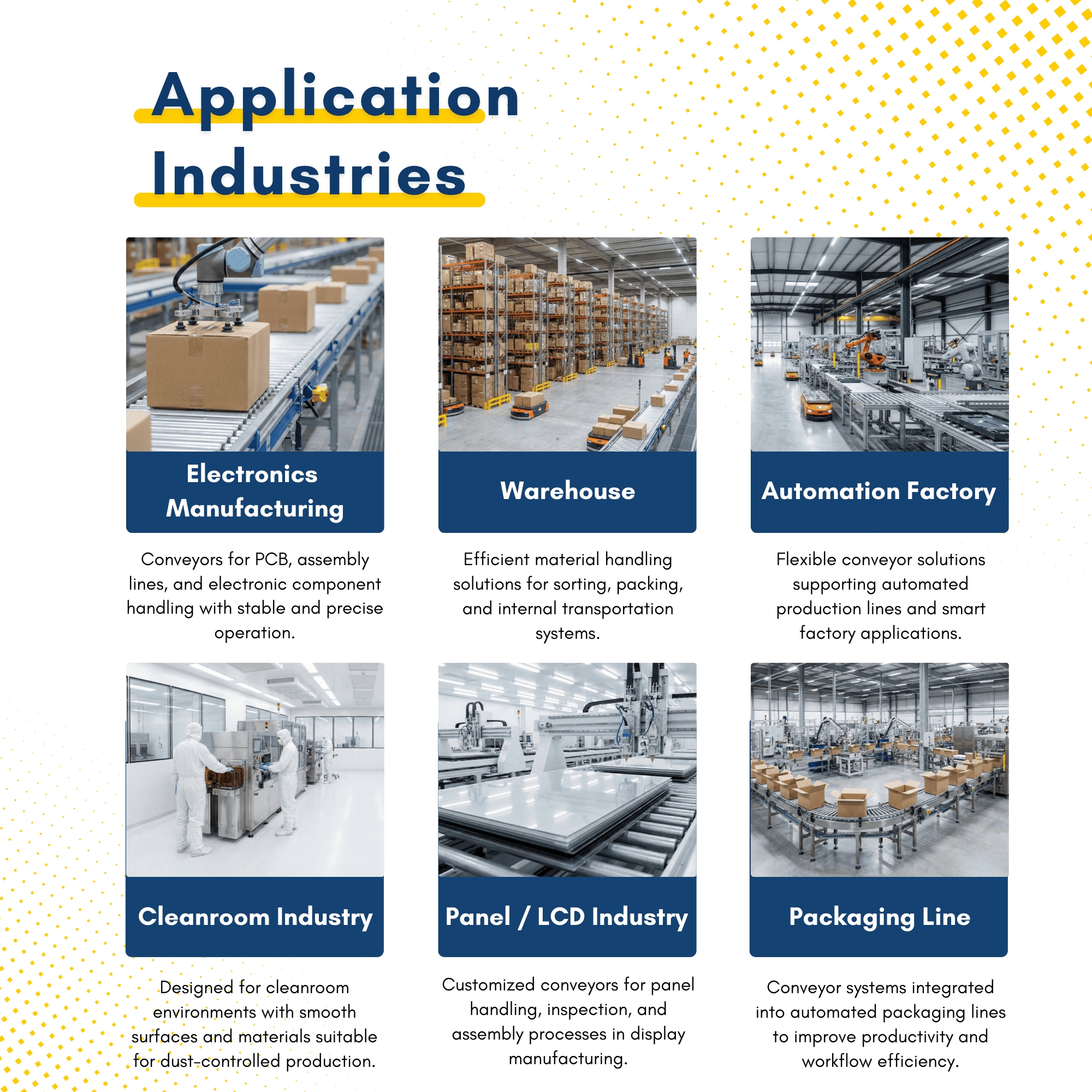
Applications Manufacturing Plant
Roller Conveyor Detail
Products Description

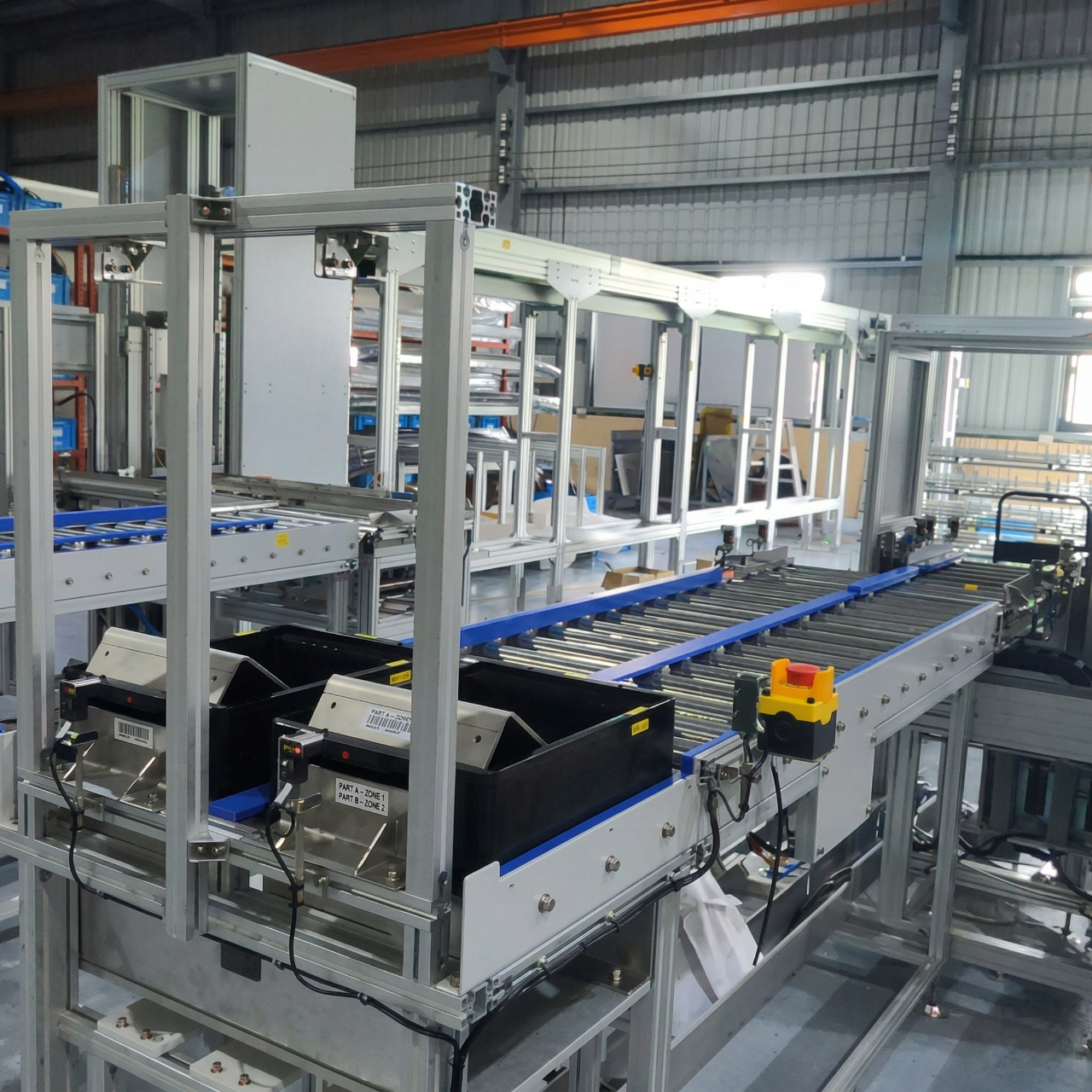
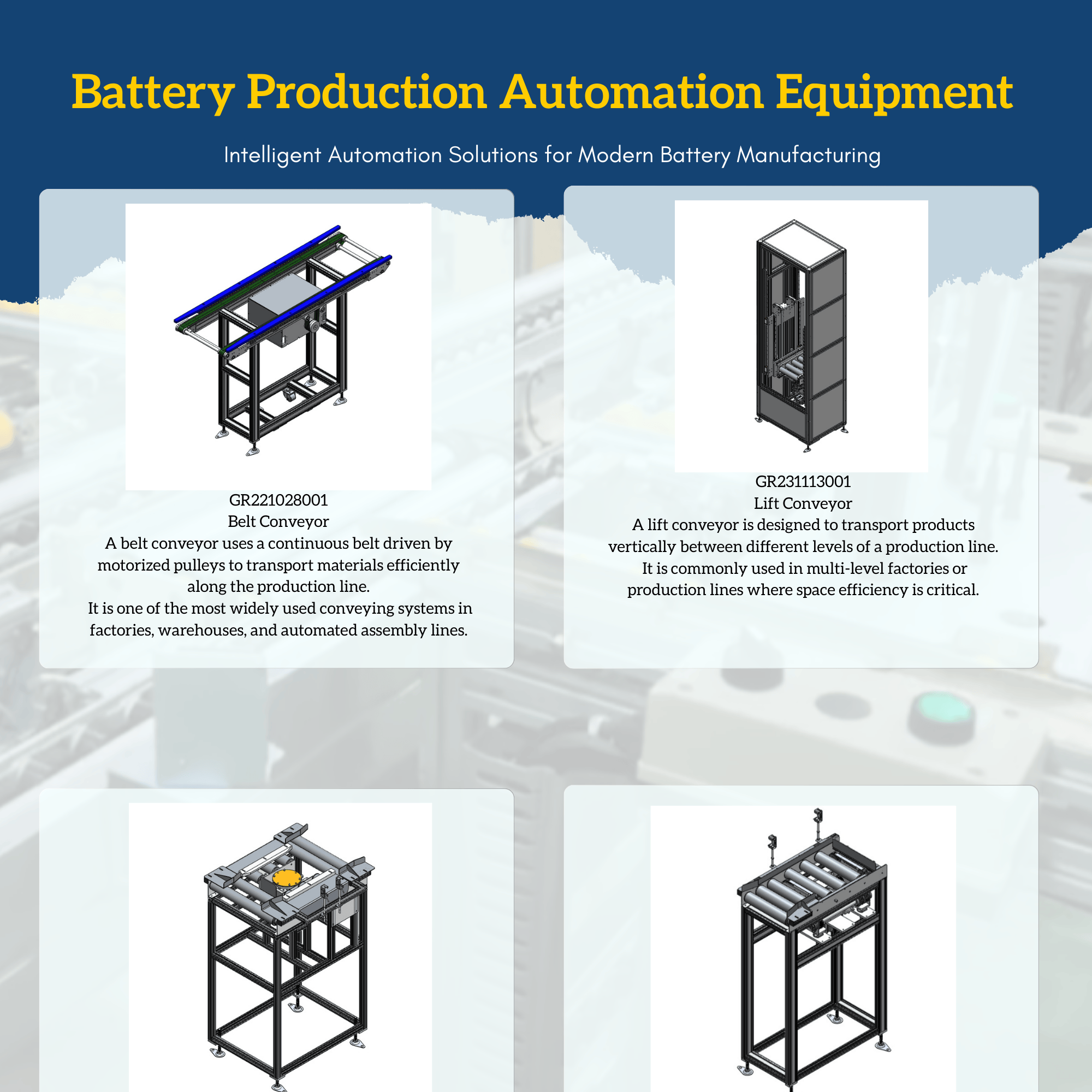
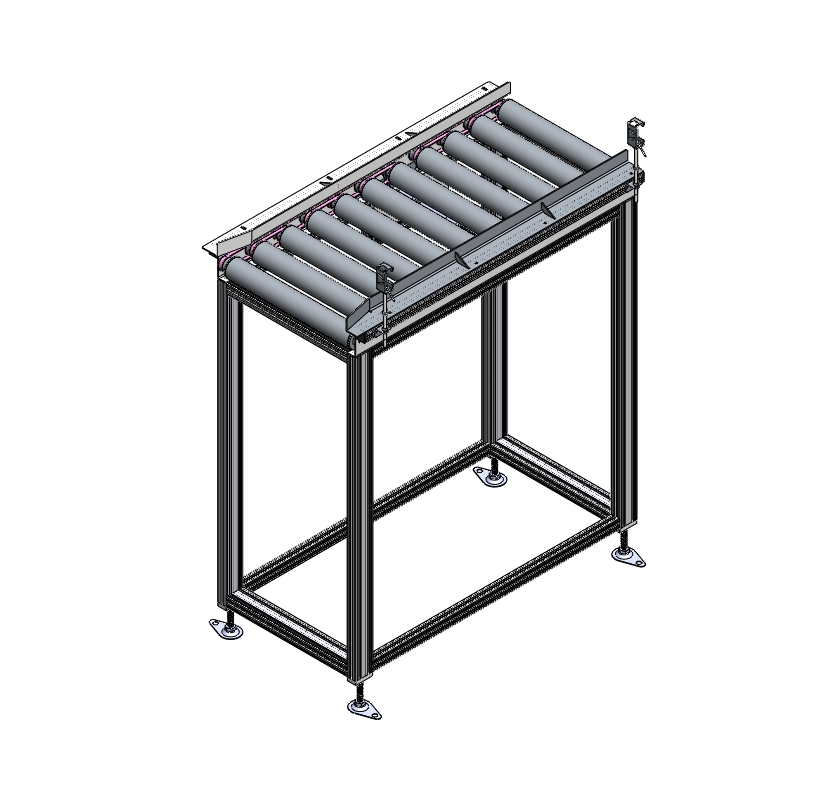
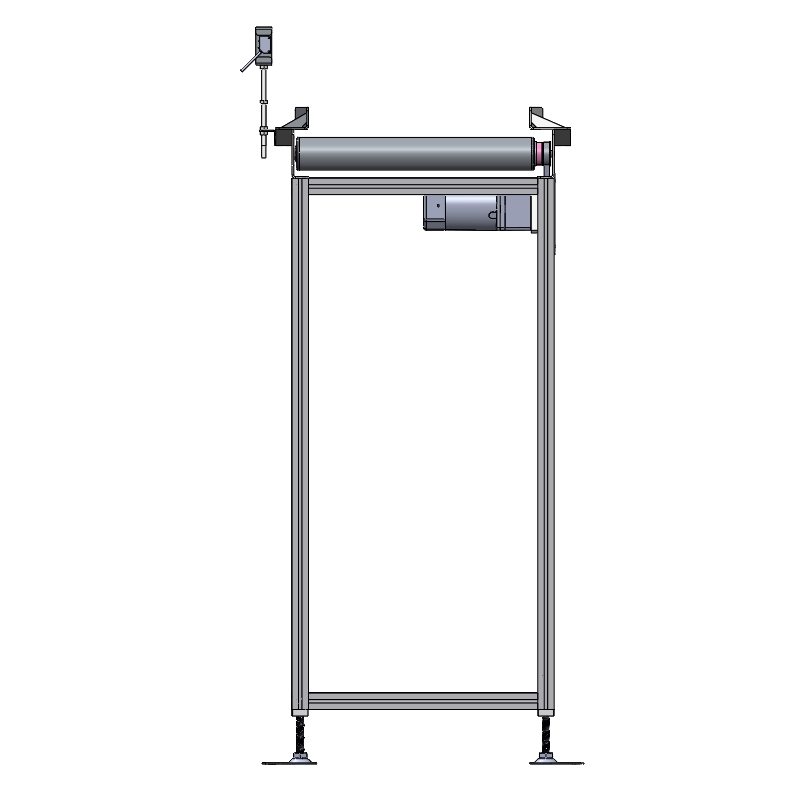
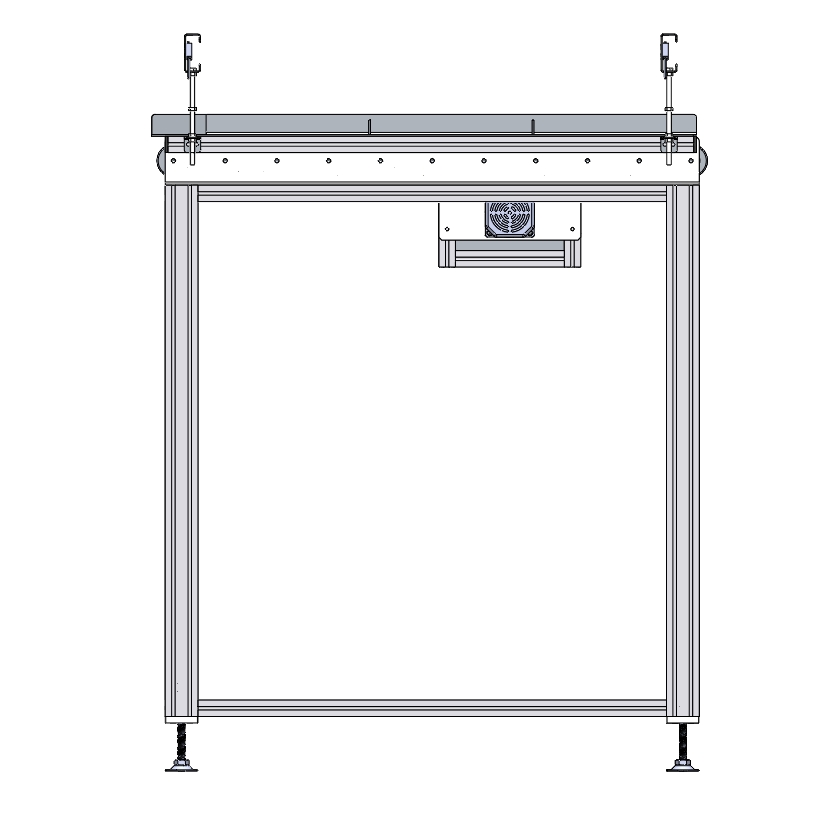
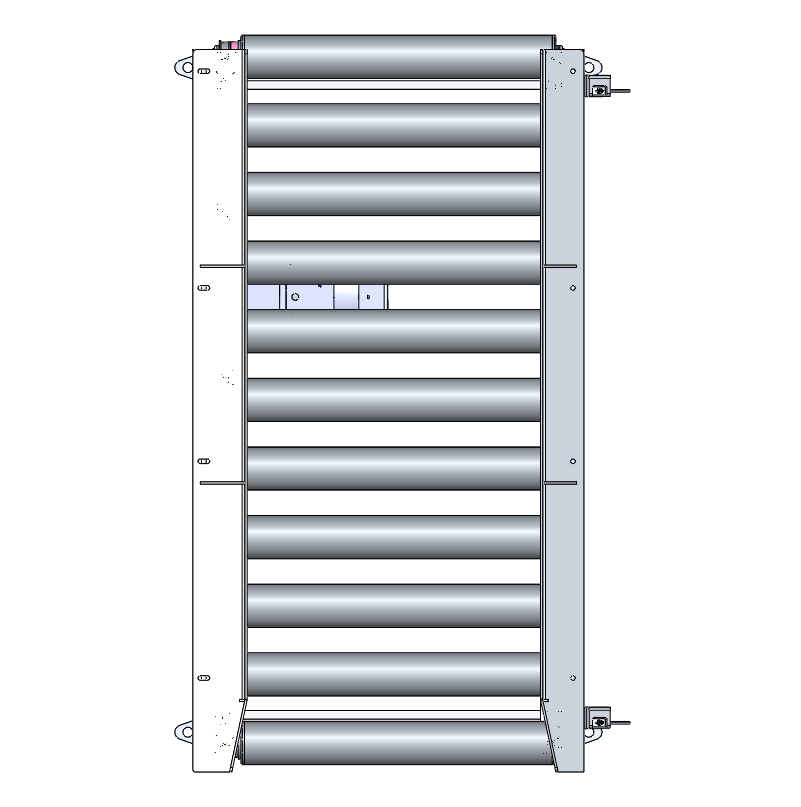
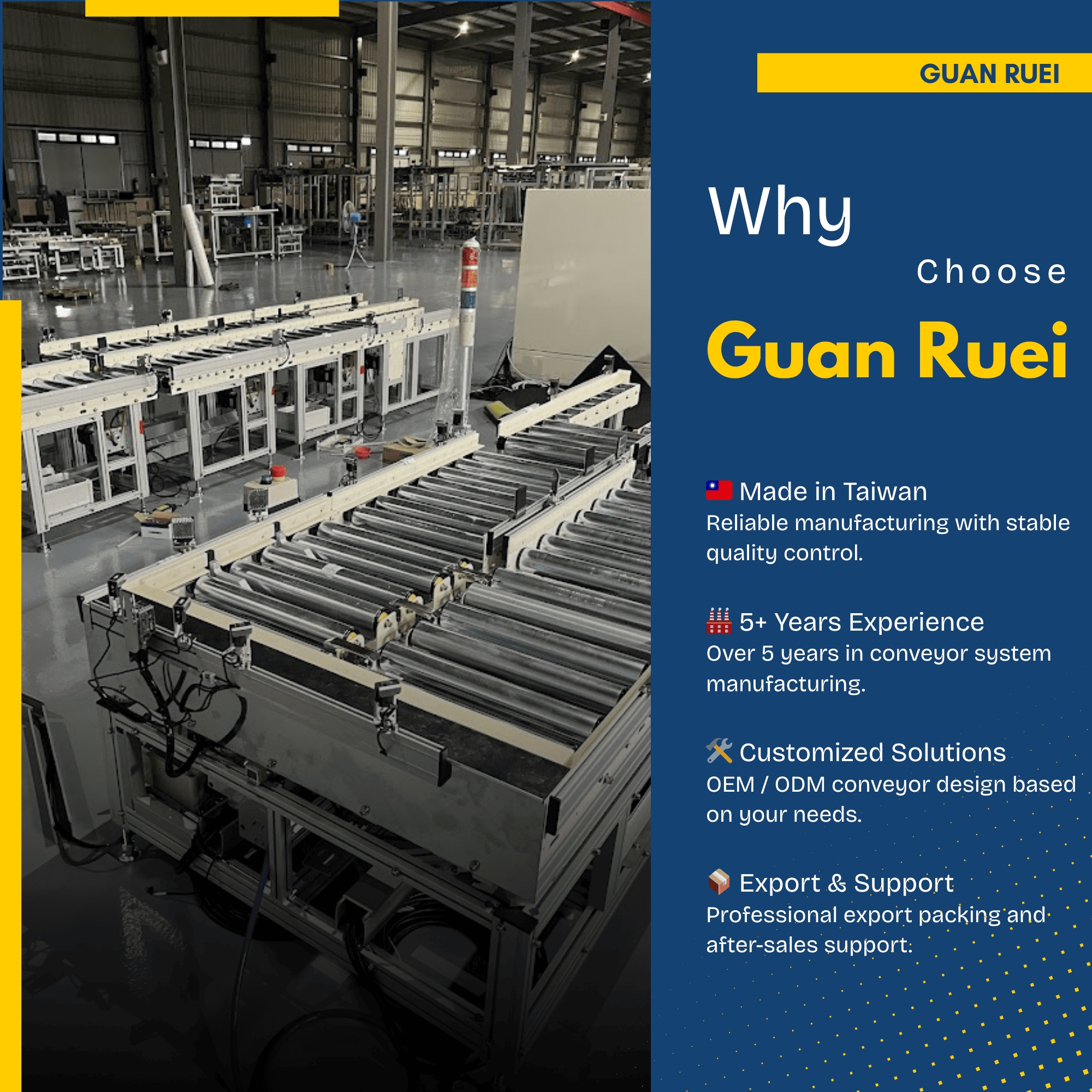
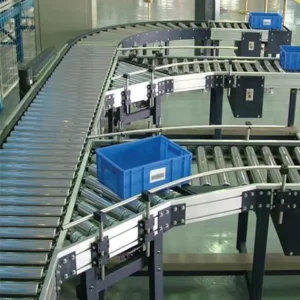
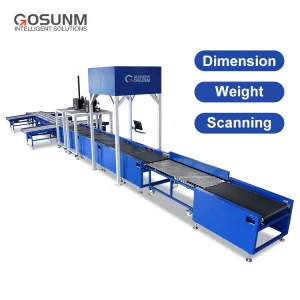
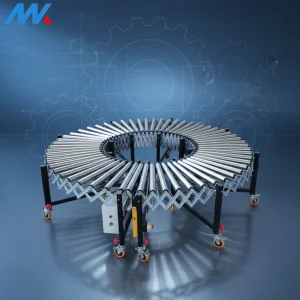
A roller conveyor is a type of conveying equipment that moves items through the rotation of rollers. It is commonly used for transporting heavy or bulky products such as battery modules and battery packs. Depending on the application, it can be classified into powered rollers and non-powered (gravity) rollers.
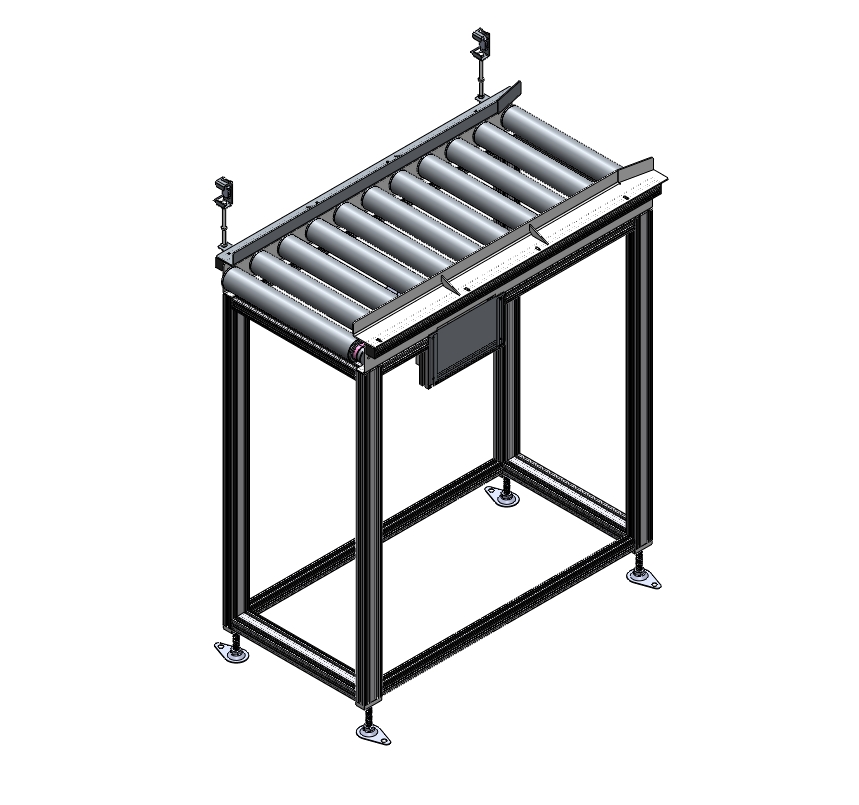
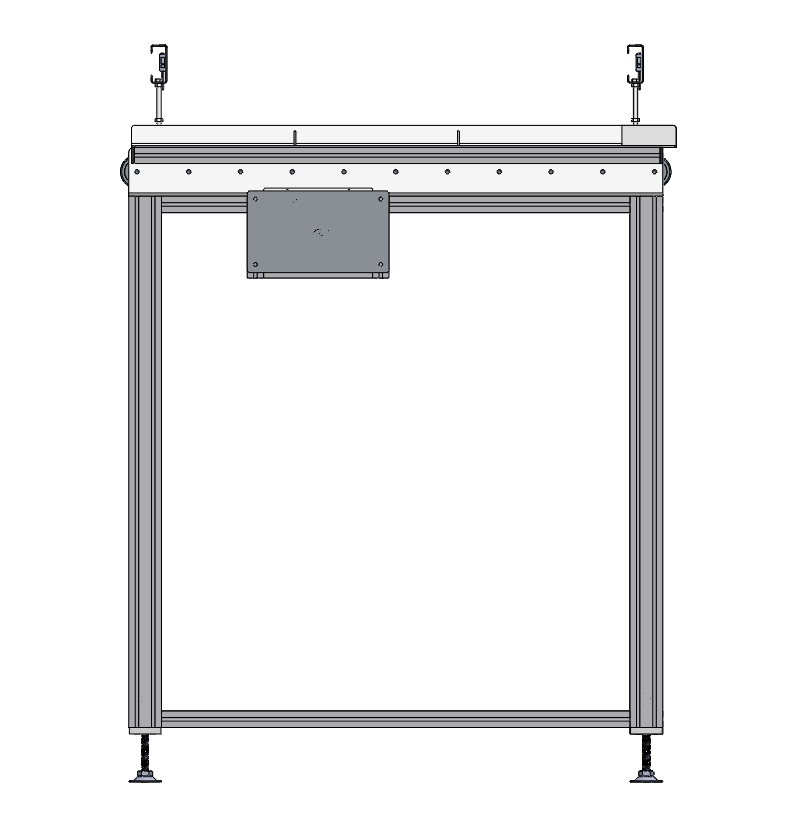
Roller Conveyor Operation
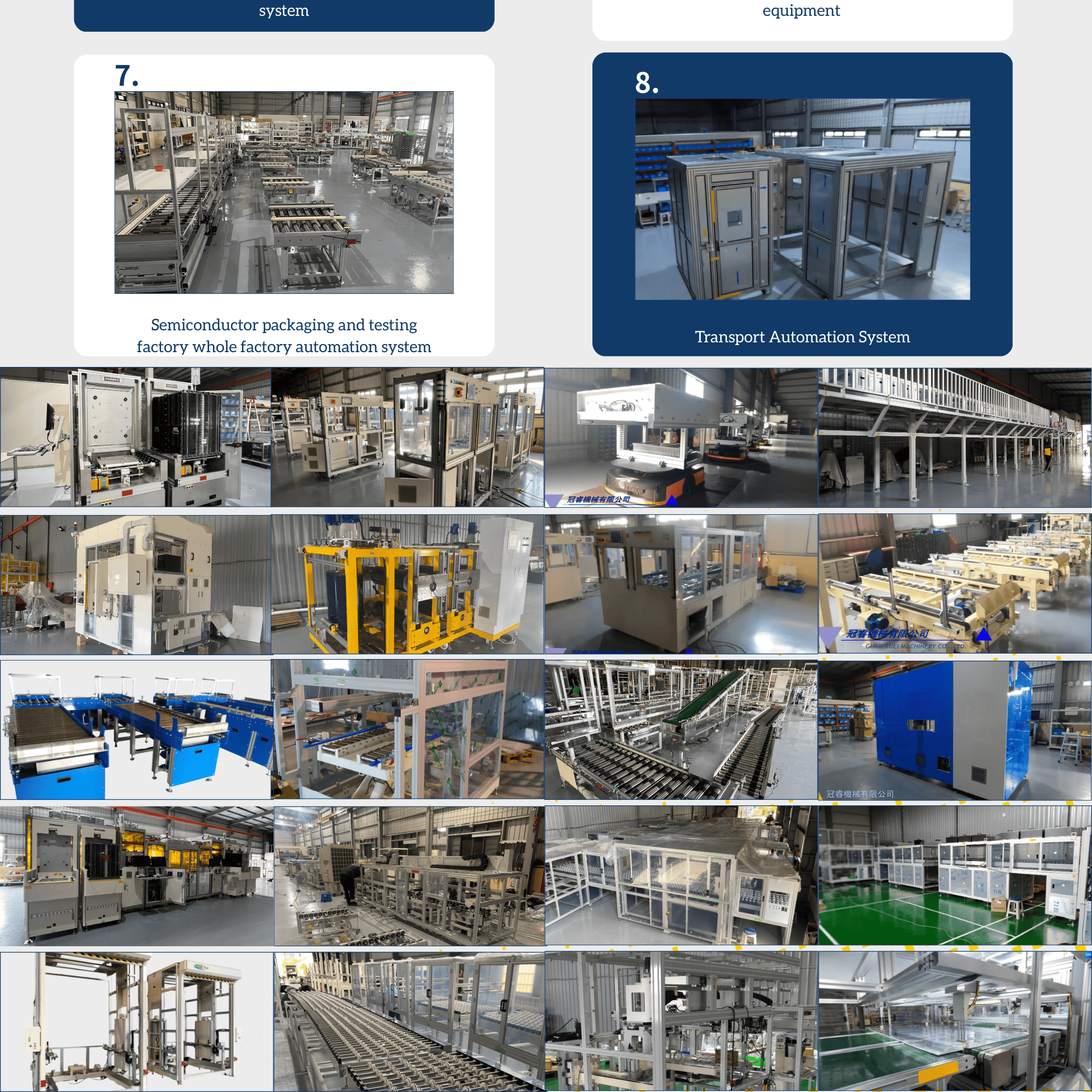
Automation Equipment Systems
System Overview Transport Automation System Automation Design Factory Solution
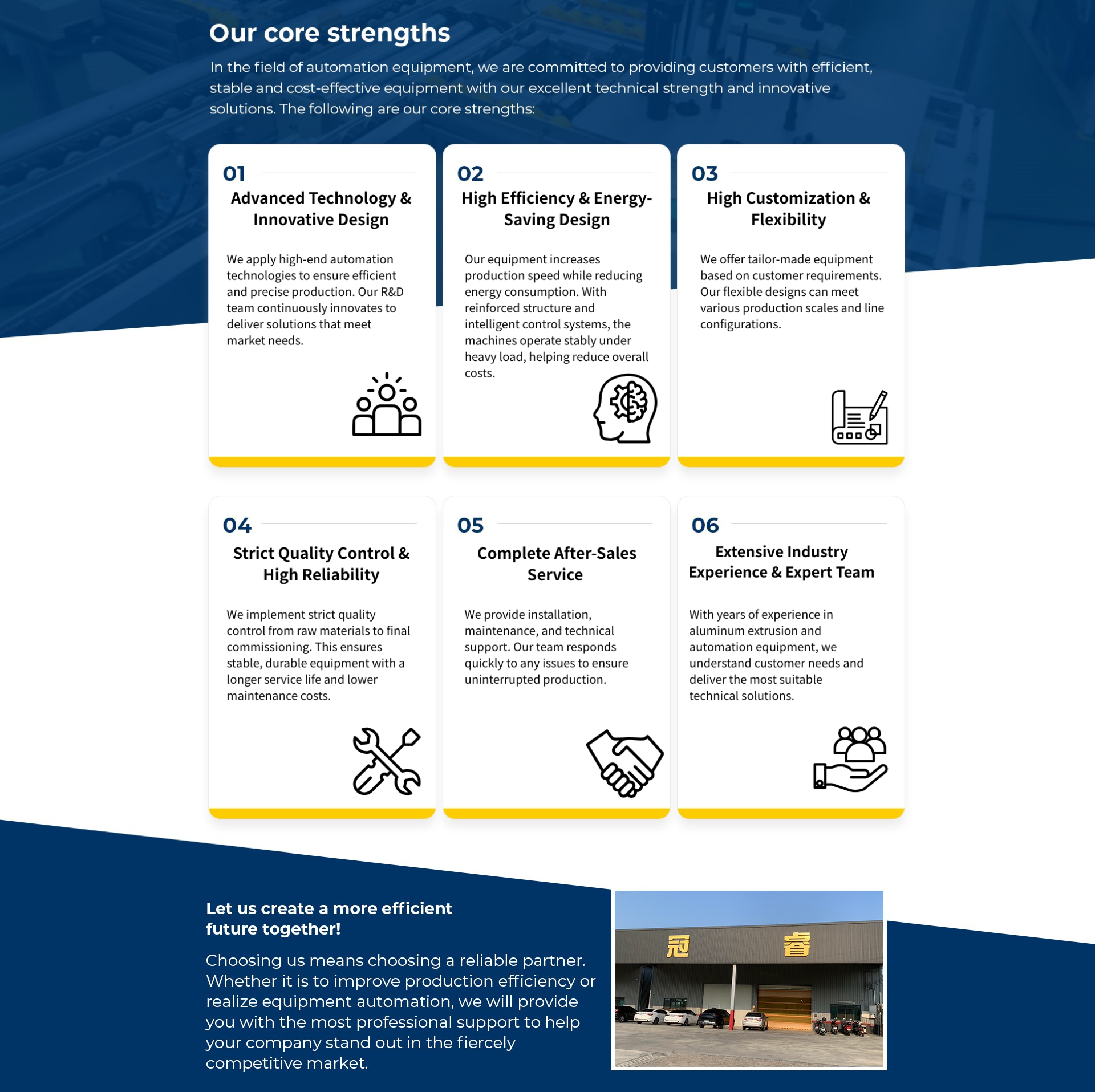
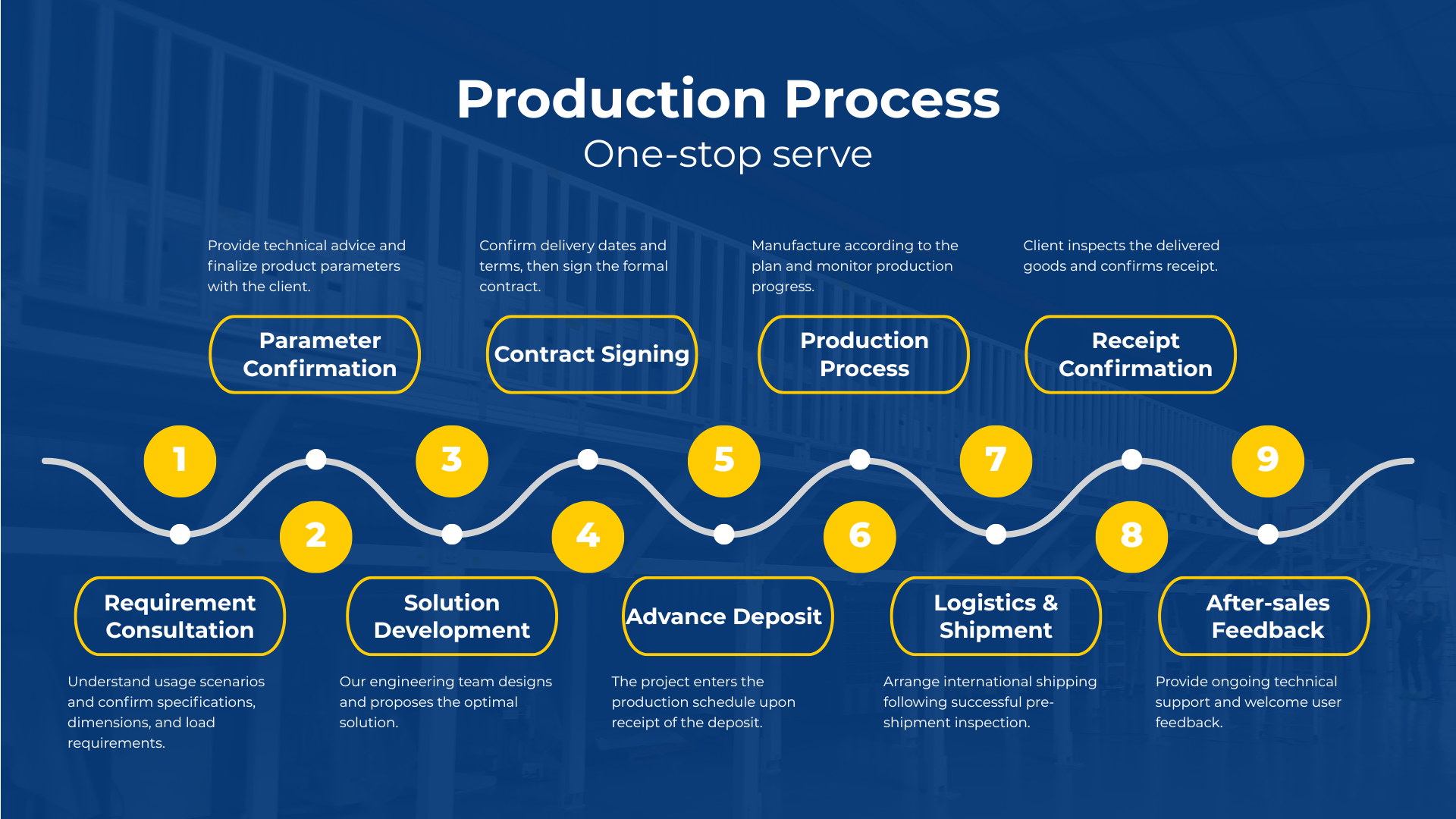
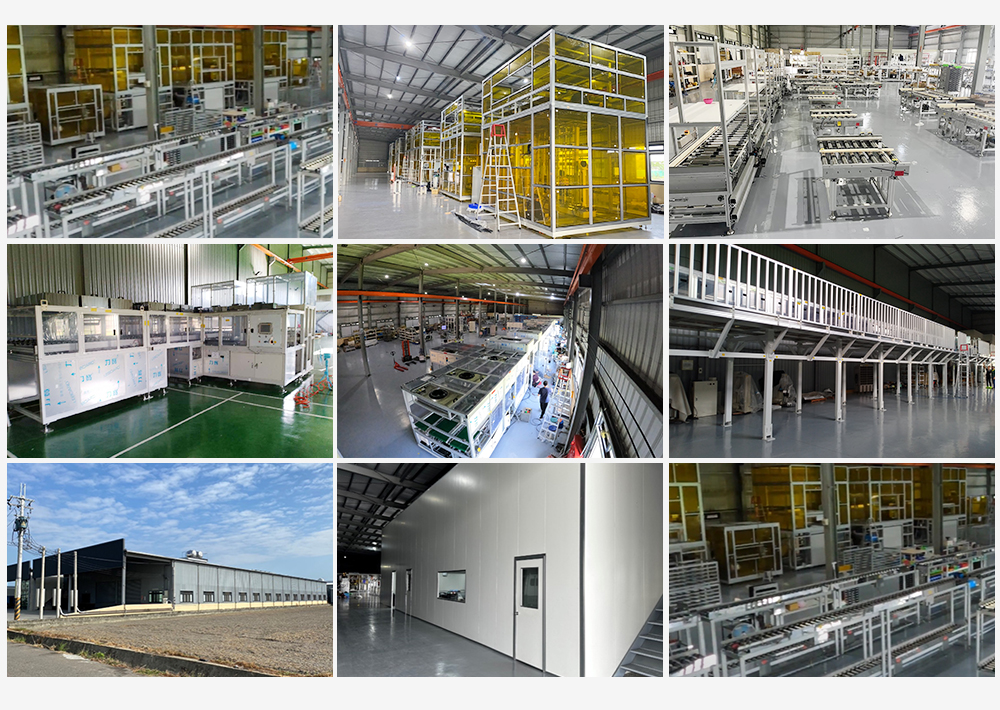
Manufacturing Excellence
Frequently Asked Questions
What materials are available for the roller conveyor construction?
Our roller conveyors are typically constructed using high-quality SS41, SUS304 stainless steel, and POM to ensure durability and suitability for various industrial environments.
Can the roller conveyor handle heavy items like battery packs?
Yes, these conveyors are specifically designed for heavy or bulky products, including battery modules and battery packs, providing stable and efficient transport.
What is the difference between powered and gravity rollers?
Powered rollers use a motor to drive the rotation and move items automatically, while non-powered (gravity) rollers rely on manual force or gravity (inclination) to move the products.
Are the conveyor systems customizable?
Absolutely. Our roller conveyors feature customizable product positioning and displacement to fit specific factory layouts and manufacturing requirements.
What kind of surface finish is applied to the equipment?
The equipment undergoes an anodizing process for the finish, which enhances corrosion resistance and surface hardness for long-term industrial use.
What industries typically use this equipment?
The equipment is primarily used in manufacturing plants, specifically in battery production lines, automotive assembly, and general warehouse automation systems.

Related Products