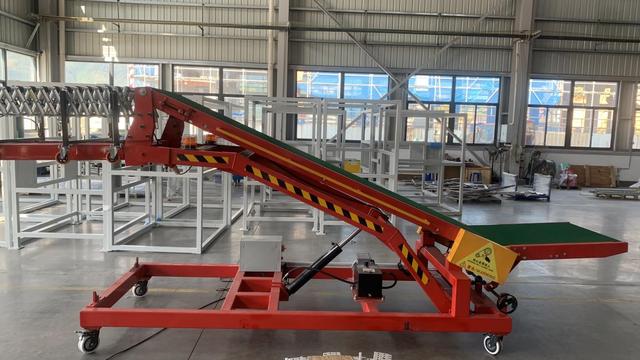
A decline conveyor is a vital component in modern warehousing and manufacturing, designed to safely transport materials from high levels to lower elevations. Unlike horizontal systems, decline conveyor systems must combat gravity to prevent runaway speeds, product collision, and mechanical failure. Engineering a reliable decline conveyor requires advanced motor brakes, high-friction belt surfaces, and precision PLC integration to maintain control over descending payloads.
As global distribution networks expand, procurement departments are seeking reliable manufacturing partners in China. Why? Because Chinese factories combine advanced R&D, structural steel fabrication, and top-tier components at competitive price points. Hangzhou Maith Conveyor Co., Ltd. stands out as a leading developer in this domain, providing high-speed parcel sorting systems, telescopic mechanisms, and specialized conveyor lines tailored to e-commerce, food processing, and automotive industries.
Managing gravitational potential energy is crucial. The integration of electromagnetic brakes, regenerative motor drives, and anti-runaway software safeguards fragile assets and maintains system integrity during power grid fluctuations.
Selecting appropriate belt interfaces, such as cleated plastic modules or rough-top rubber, prevents slippage for multi-angled inclines and declines, keeping products oriented correctly for downstream processing.
Established in 2013, Maith Conveyor is an industry leader in R&D, design, fabrication, and export of advanced material handling systems.
Headquartered in Hangzhou, China, Maith Conveyor integrates mechanical engineering, automation, and software control experts to develop robust systems. With custom solutions ranging from modular curved belts for fresh food to multi-energy X-ray pallet inspection lines, Maith serves logistics hubs, airports, and retail distribution facilities worldwide. By utilizing PLC control networks, intelligent tracking sensors, and AI-driven sorting algorithms, Maith systems optimize warehouse throughput and minimize operational overhead.
Understanding the raw material, engineering, and manufacturing ecosystems that drive industrial efficiency in the Yangtze River Delta.
Proximity to top-tier steel mills and alloy extrusion factories in China allows manufacturers to procure heavy-duty raw materials without high transit costs, passing the structural savings on to global buyers.
With an extensive network of specialized component providers (bearing suppliers, motor manufacturers, conveyor belt fabricators), custom adjustments can be processed in days rather than weeks.
Combining automated welding systems, laser cutters, and highly trained assembly technicians reduces overhead. The result is a premium-grade system built at a fraction of Western manufacturing costs.
For decline conveyor systems, safety is paramount. Runaway payloads pose a severe threat to employees and surrounding infrastructure. Hangzhou Maith Conveyor Co., Ltd. designs all systems to meet international regulations, including CE (European Conformity), OSHA safety standards, and UL/CSA certifications for electrical cabinets and control equipment.
Localized Integration Support: Maith coordinates with localized engineering service providers to execute on-site installation, operational dry-testing, and compliance certifications. Remote maintenance software allows Maith engineers to troubleshoot PLC configurations and sensor performance in real-time, regardless of project location.
Examining customized configurations designed for multi-tier fulfillment centers, fresh food production lines, and automotive integration.
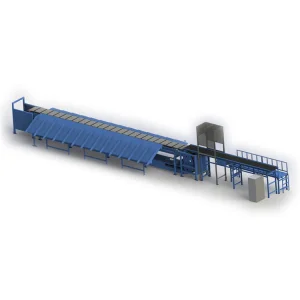
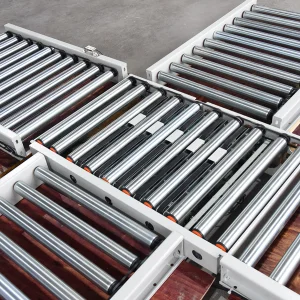
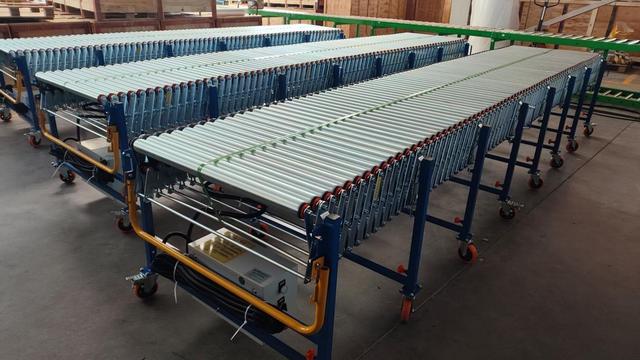
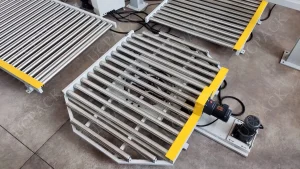
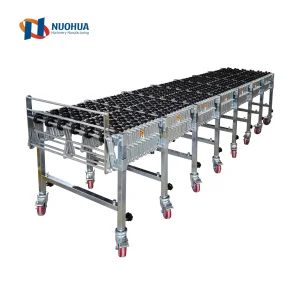
Moving sorted parcels from high-elevation sorting mezzanines down to shipping and loading bays. Integrates steerable wheel sorters, pop-up transfer rollers, and heavy-duty skate wheel telescopic loaders to maximize processing volume.
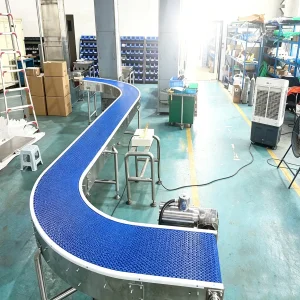
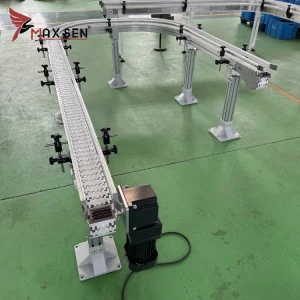
Utilizing food-grade modular plastic curved belts to transport produce down to packing sectors. Requires anti-washdown stainless steel frameworks and modular chain plates to maintain hygienic standards.
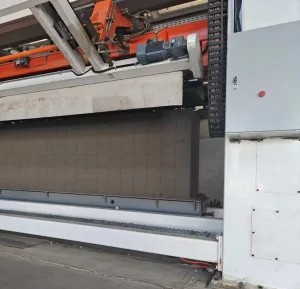
Moving large components (such as interior fittings or metal panels) from upper fabrication stations down to assembly sectors. Requires anti-slip surfaces, safety continuous vertical lifts, and robust structural frames.
The future of material handling revolves around intelligence and connectivity. Systems are transitioning from static mechanical assets to data-generating endpoints. Advanced IoT sensors track factors like motor temperature, vibration levels, and belt wear to forecast when maintenance is required before unexpected failures halt operations.
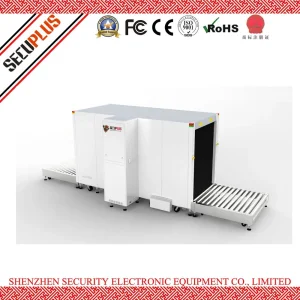
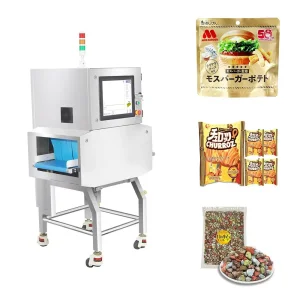
Another major trend is the incorporation of Computer Vision & AI Sorting. Combining specialized inspection devices (like multi-energy X-ray pallet scanners or camera vision arrays) with automatic decline systems allows for automatic routing and identification of package issues without reducing line speed.
Furthermore, regenerative motor drives are becoming the standard. These systems harvest gravity-induced mechanical energy during descent and feed it back into the local power grid, reducing overall energy costs by up to 30% for large facilities.
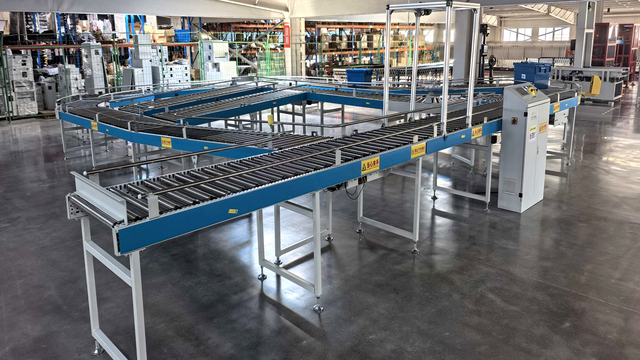
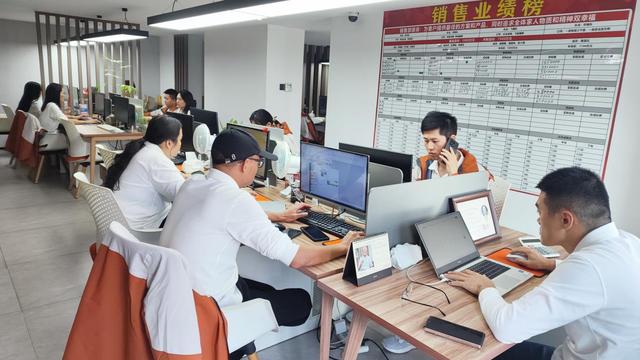
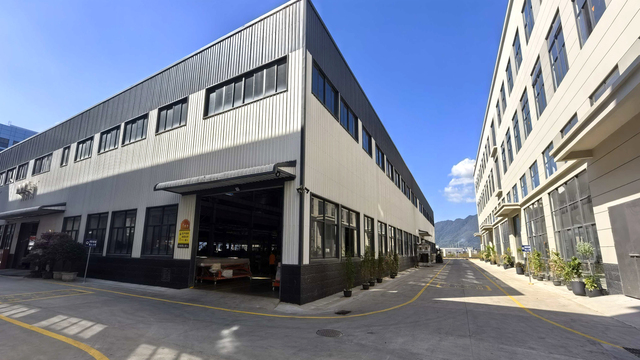
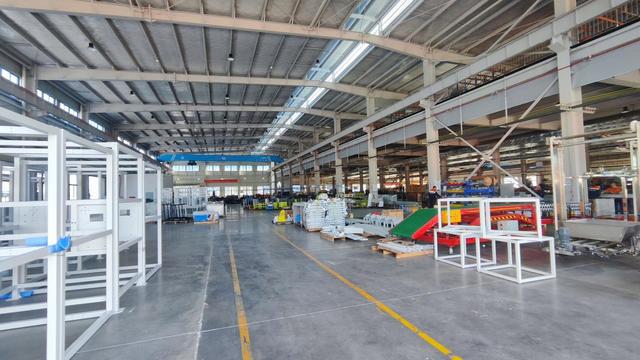
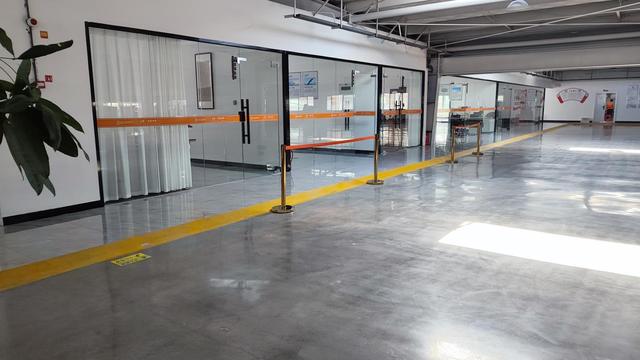
A visual walkthrough of our 30,000 square meter modern production base, assembly lines, and inspection centers.
Direct technical responses addressing common procurement, design, and shipping queries for international purchasers.
Speed regulation is managed through motorized pulleys, brake motors, or variable frequency drives (VFDs) featuring dynamic braking resistors. For gravity-reliant configurations, mechanical speed limiters and anti-runaway control logic prevent items from accelerating uncontrollably during descent.
Recommended incline angles depend on structural space and the products being moved. Typical belt conveyors handle declines from 10° to 22°. Beyond 25°, we integrate cleated belts or continuous vertical lifters with secure retention plates to prevent cargo from tipping.
Our engineering team builds systems using modular frameworks and open architecture PLCs (such as Siemens, Allen-Bradley, and Mitsubishi). This simplifies integration with pre-existing warehouse control systems (WCS) and warehouse management systems (WMS).
Lead times vary depending on system complexity. Standard modular components and short telescopic conveyor models ship within 4 to 6 weeks. Complete customized multi-tier sorting systems, including layout design and PLC programming, typically take 8 to 12 weeks from sign-off to export.
We provide remote diagnostic support, software adjustments, and express dispatch for replacement parts. For large-scale installations, we can dispatch engineers to work alongside your local integration team during setup and testing.
 Maith Conveyor