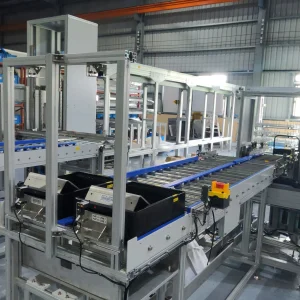
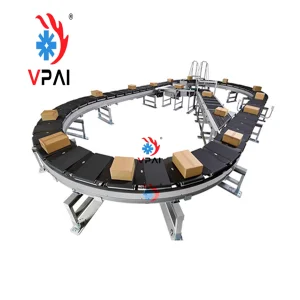
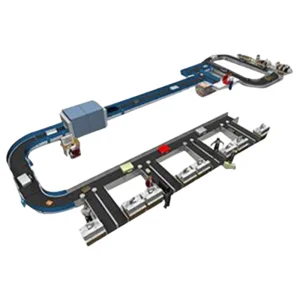
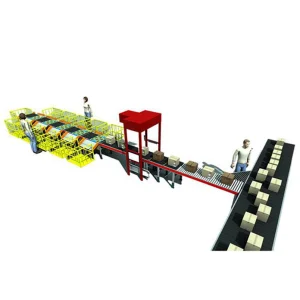
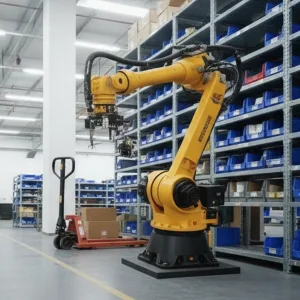
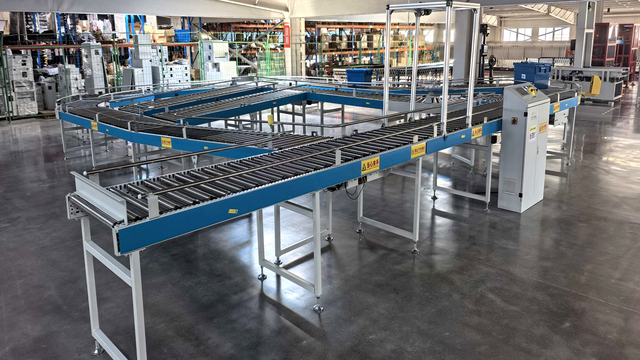
In the current era of Industrial 4.0, integrated robotics solutions have transitioned from luxury upgrades to foundational necessities. As global trade volumes surge and labor shortages persist, the demand for high-speed, reliable, and intelligent conveyor systems has skyrocketed. Integrated robotics is no longer just about the "arm"; it is about the "circulatory system" of the factory—the conveyors, sensors, and AI software that ensure seamless material flow.
Modern manufacturing demands "Information Gain" at every node. By integrating IoT sensors and AI-driven DWS (Dimension, Weight, Scanning) systems, factories can now achieve 99.9% sorting accuracy and real-time throughput monitoring. This technological synergy allows for a decentralized yet highly coordinated production environment, where integrated robotics systems adapt dynamically to changing load capacities and product geometries.
Sqm Production Base
Technical Experts
Annual Systems Output
Sorting Accuracy
Globally, the robotics and automation market is projected to grow at a CAGR of over 15% through 2030. In North America and Europe, the focus is on "Reshoring"—bringing manufacturing back home through ultra-automation. Meanwhile, in Southeast Asia and South America, the drive is toward "Scale and Speed" to meet burgeoning e-commerce demands. Integrated robotics solutions factories act as the bridge, providing the hardware that makes these global shifts possible.
Hangzhou, as a global tech hub, offers unparalleled access to high-grade steel, precision motors, and cutting-edge electronic components, reducing lead times by 40% compared to Western counterparts.
Our engineering teams can move from conceptual CAD design to a functional prototype in weeks, ensuring your integrated robotics solution evolves as fast as the market.
Top exporters like Maith Conveyor adhere to CE, ISO, and UL standards, ensuring that "Made in China" translates to "Reliability in Global Markets."
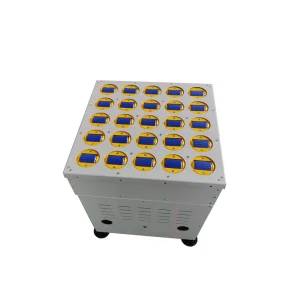
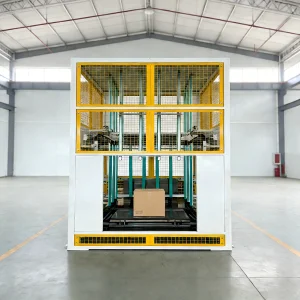
Vertical lift conveyor systems with stainless steel finishes and AI process management are critical for battery cell transport, where contamination control and high load stability are paramount.
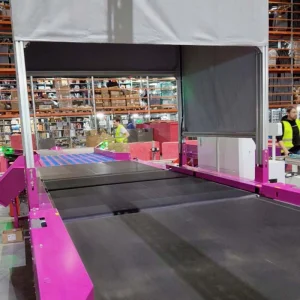
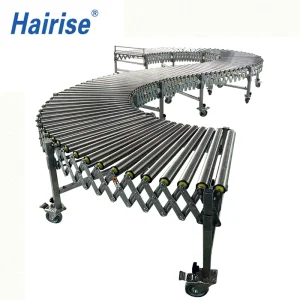
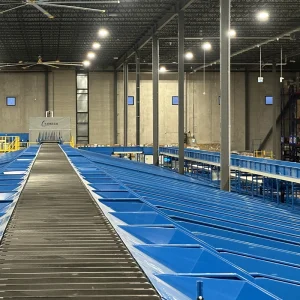
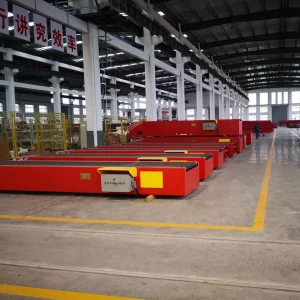
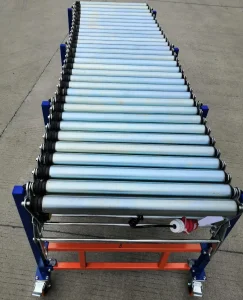
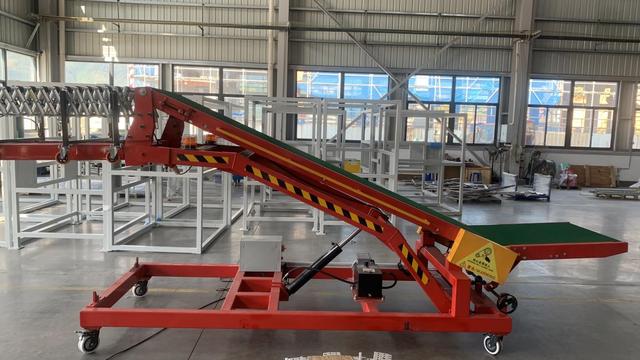
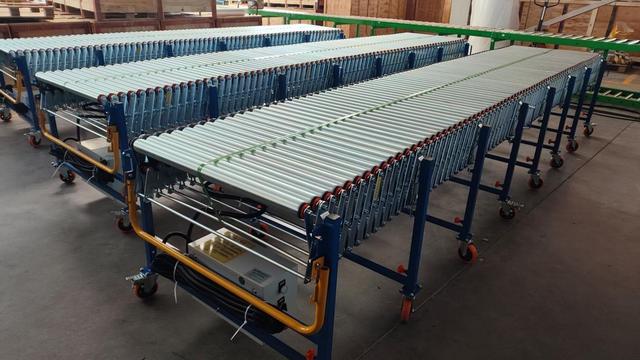
Multi-layer sorting systems and telescopic conveyors enable rapid loading and unloading of parcels, handling up to 10,000 items per hour with minimal human intervention.
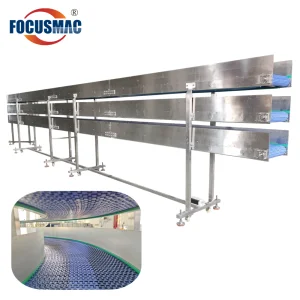
Integrated robotics in food processing utilizes modular, 3-layer conveyors made from FDA-approved materials, ensuring hygiene while maintaining throughput.
Hangzhou Maith Conveyor Co., Ltd. is a professional manufacturer specializing in warehouse conveyor systems, smart logistics automation equipment, and advanced material handling solutions for global distribution, manufacturing, and e-commerce industries. Established in 2013 and headquartered in Hangzhou, China, the company integrates research and development, system design, precision manufacturing, installation services, and international OEM/ODM support into a complete industrial automation ecosystem.
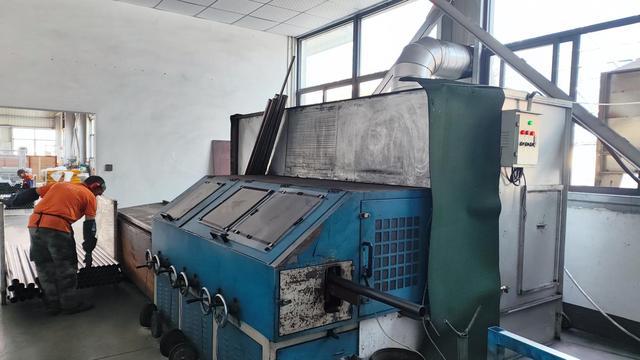
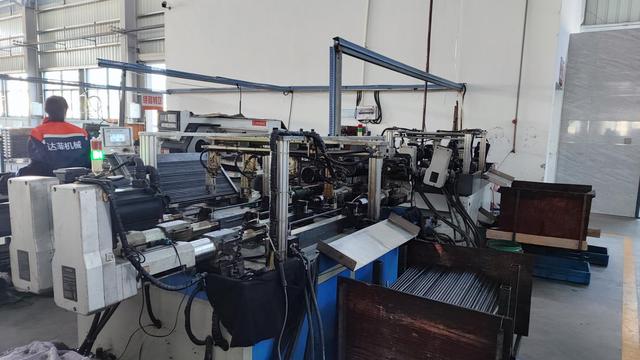
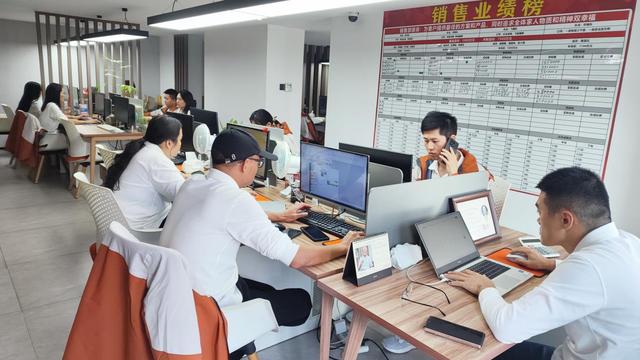
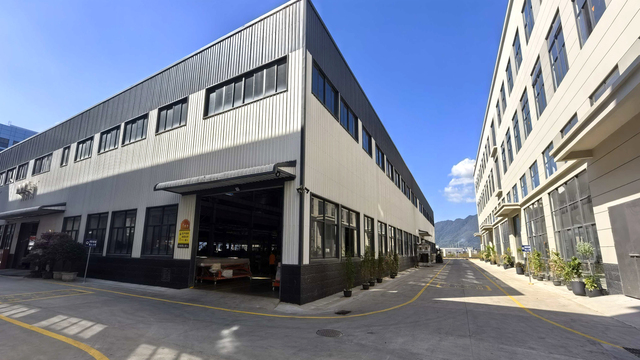
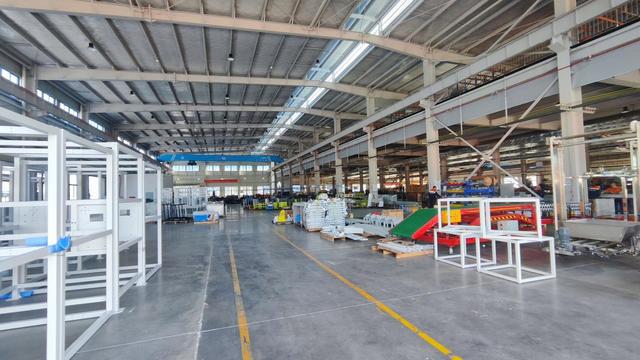
The company operates a modern production base covering approximately 30,000 square meters with more than 360 employees, including mechanical engineers, automation specialists, and software control experts. Equipped with advanced fabrication workshops, automated assembly lines, and rigorous quality inspection systems, Maith Conveyor ensures high performance, stability, and durability across all conveyor solutions.
Annual production capacity exceeds 6,500 complete conveyor systems, serving clients in warehousing, logistics centers, airports, retail distribution hubs, manufacturing plants, and fulfillment operations worldwide. By integrating PLC control systems, sensor-based tracking technology, AI-driven logistics optimization, and modular structural design, the company delivers efficient and scalable material flow solutions tailored to modern supply chain demands.
The roadmap for integrated robotics in the next 5 years includes the widespread adoption of AMRs (Autonomous Mobile Robots) that interface directly with fixed conveyor systems. We are also seeing a massive push toward Carbon Neutral Logistics, where energy-recovery motors and friction-reducing materials lower the carbon footprint of material handling by up to 25%.
It refers to the seamless combination of physical conveyor hardware, PLC control logic, robotic arms/pickers, and AI software that allows for autonomous movement, sorting, and data tracking of goods within a facility.
We implement a "triple-check" quality protocol: initial raw material testing, modular sub-assembly stress tests, and a final 48-hour continuous run-in period for every complete system before shipment.
Absolutely. Our "Modular Structural Design" allows us to tailor lengths, widths, angles, and control parameters to fit any existing facility footprint or specific throughput requirement.
DWS (Dimension, Weight, Scan) provides real-time data capture for billing, logistics optimization, and error reduction, ensuring that every parcel is accounted for and correctly routed without manual scanning.
 Maith Conveyor