Maith Conveyor
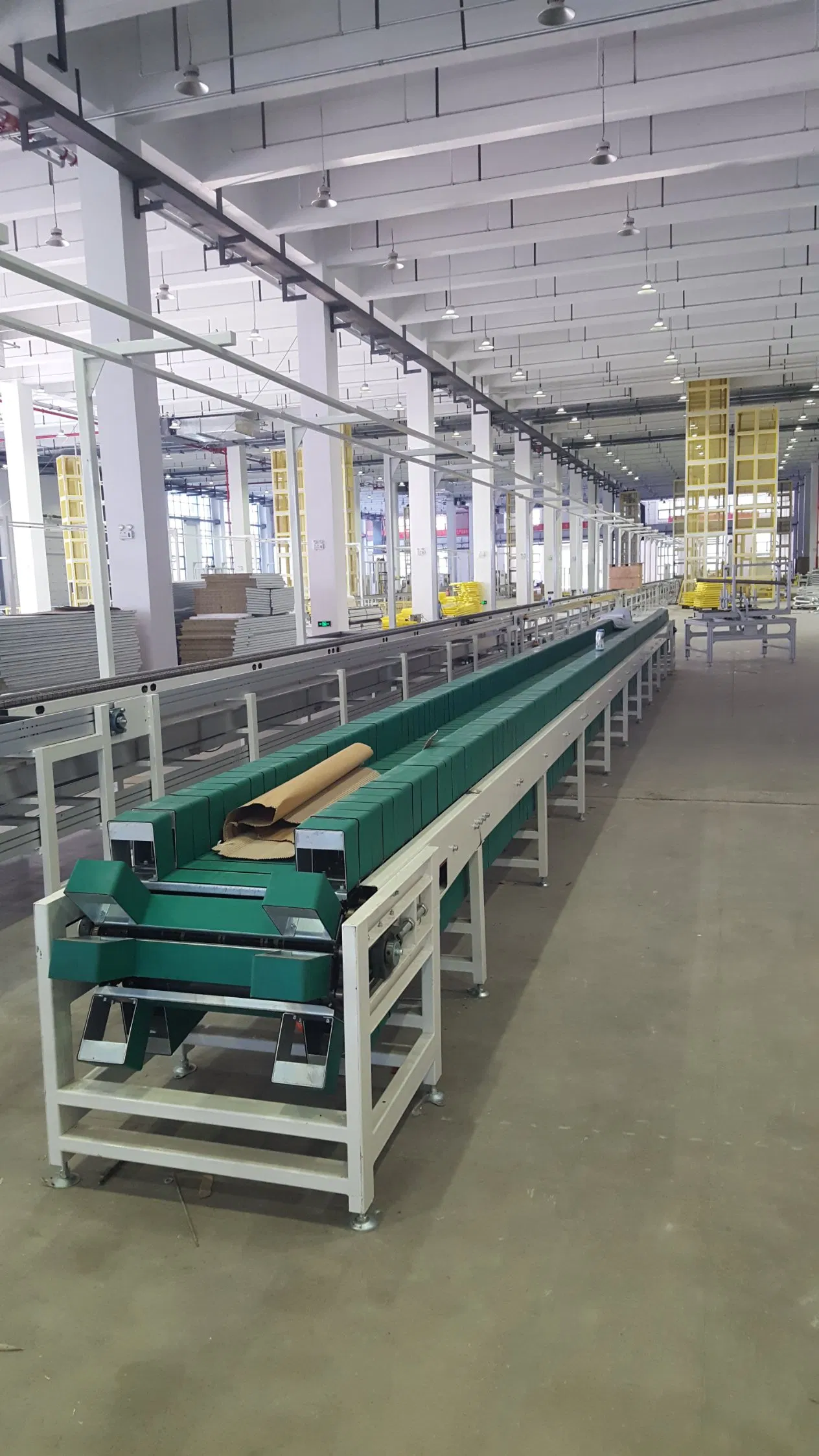
1 / 5

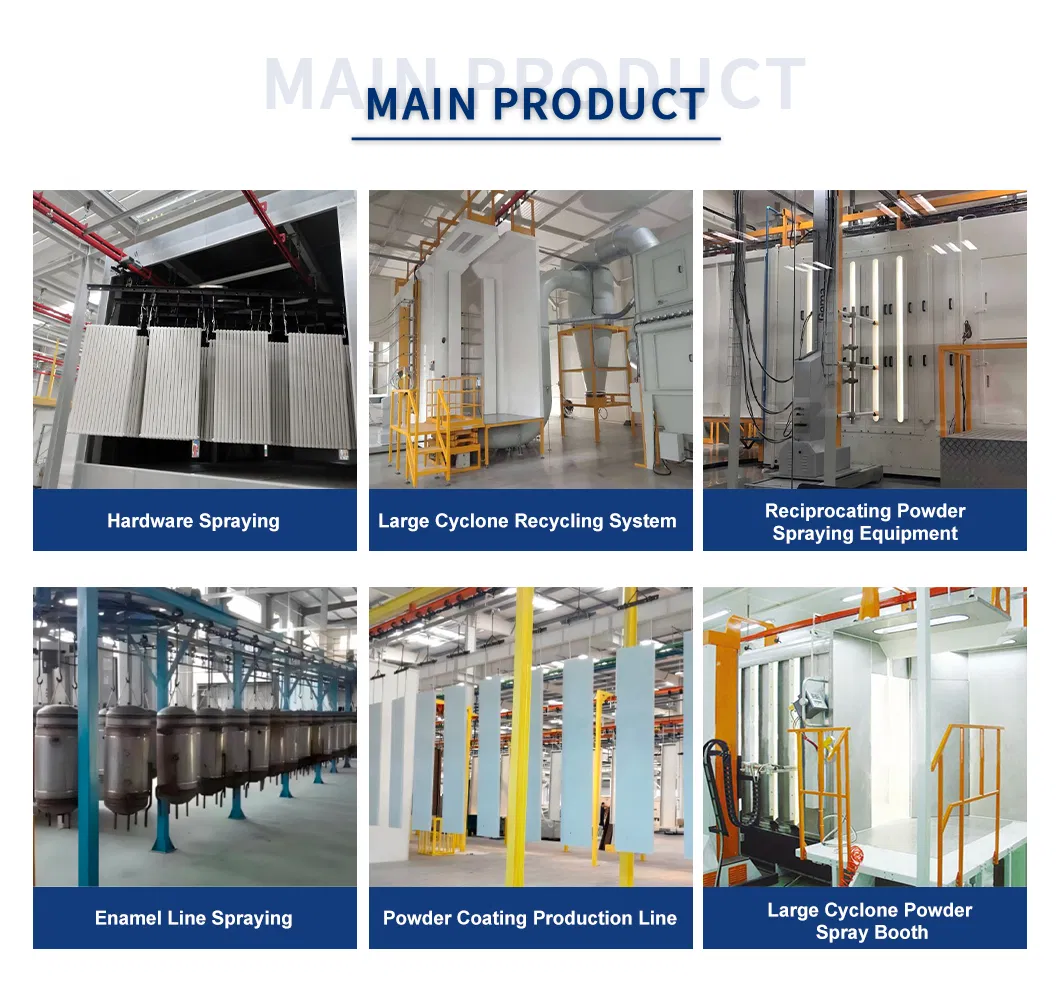
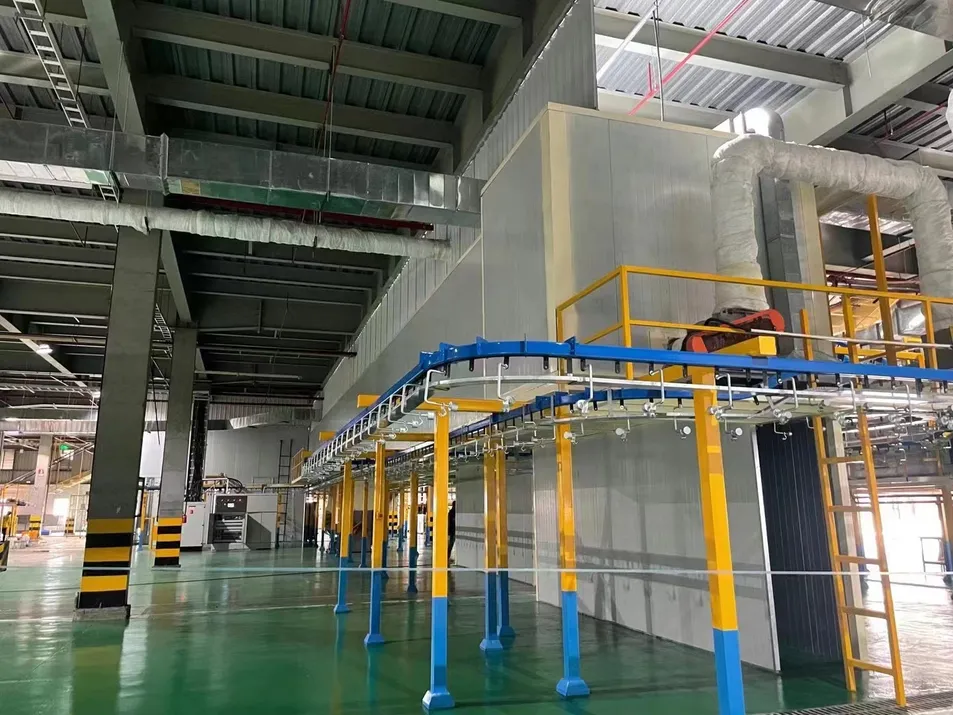
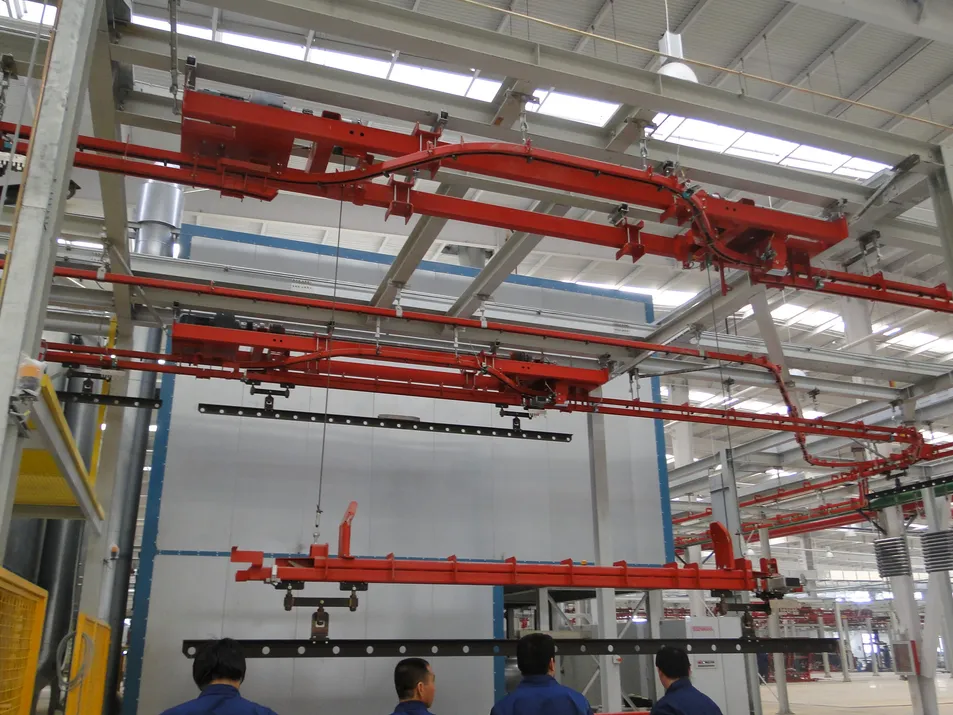
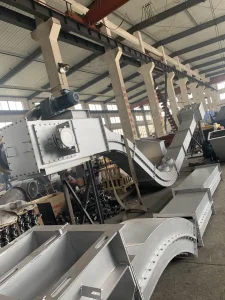
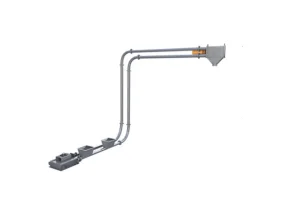
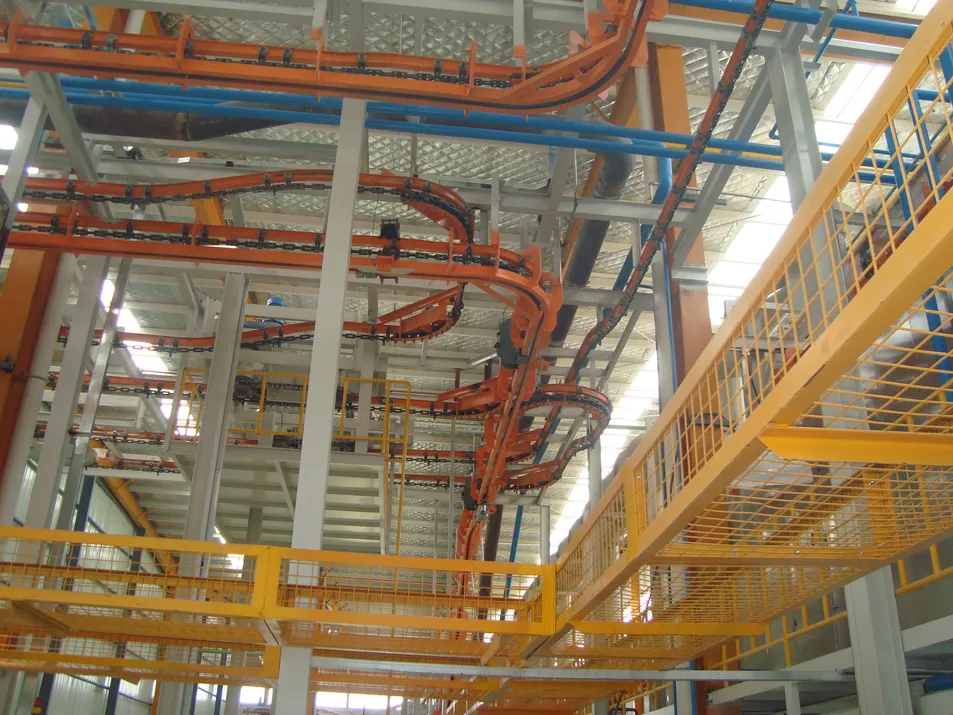
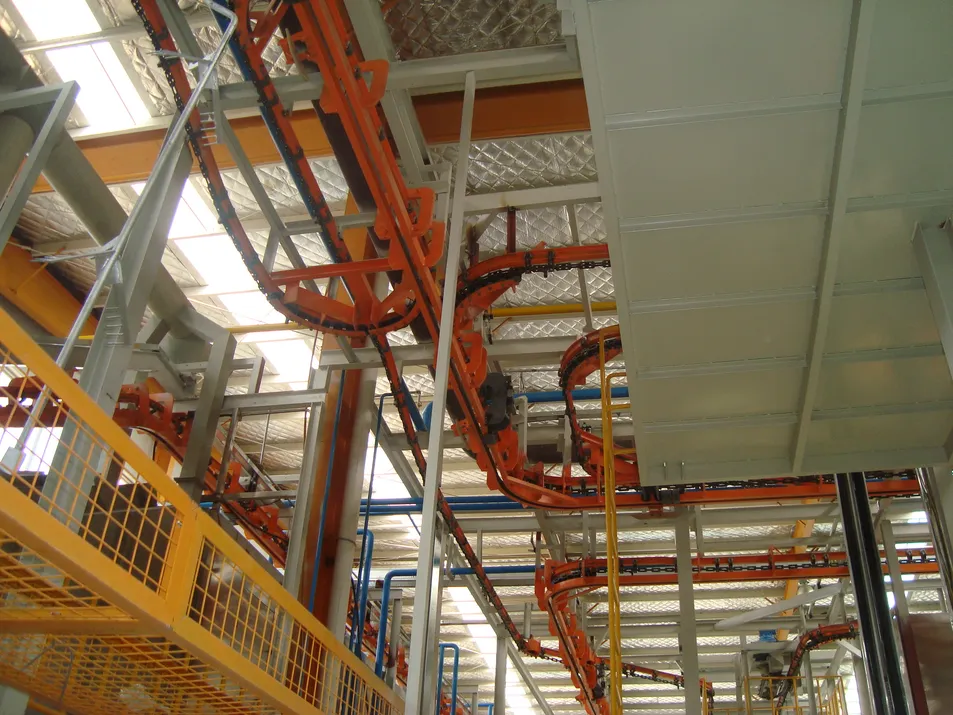
An ordinary overhead conveyor is composed of a traction chain, carriages, spreaders, an aerial guide rail, a driving device, a tensioning device, and safety devices. It features a simple structure and strong stability, capable of making arbitrary turns in both horizontal and vertical planes. Widely used in medium- and small-scale painting lines.
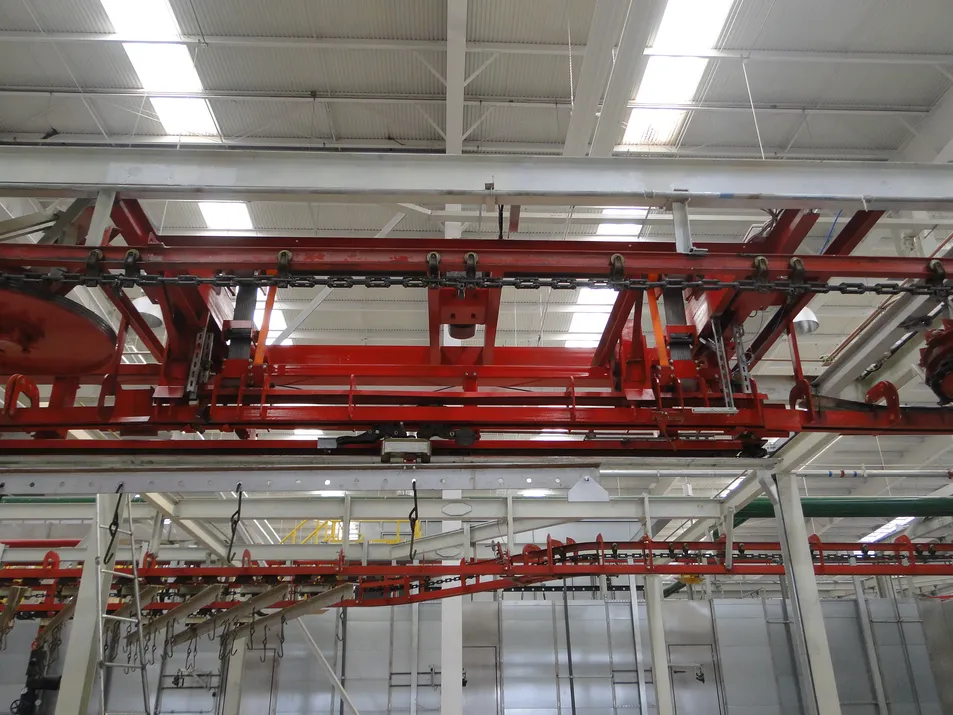
Equipped with a double-layer guide rail, the upper layer serves as the traction track and the lower layer as the load track. The traction chain runs along the traction track, and the load trolley moves forward along the load track by being pushed by the push hooks or push rods on the traction chain.
Used specifically in the pretreatment and electrophoresis lines of large-scale painting operations. Placed on both sides of the process tank, it consists of a transmission device, sprockets, and pendulum mechanisms. It eliminates surface pollution and allows for a 45° entry/exit angle, reducing overall tank body length.
Enables the vehicle body to rotate 180° upon entering the tank (bottom facing upward) and another 180° upon exit. The guide rail and load-bearing traction chain are aligned linearly, with skid support brackets locked securely onto the chain.
A highly electromechanical-integrated and automated aerial conveying system. It comprises rails, power supply sliding wires, current collectors, trolleys, electric chain hoists, turnouts, and centralized control cabinets for efficient automated operations.