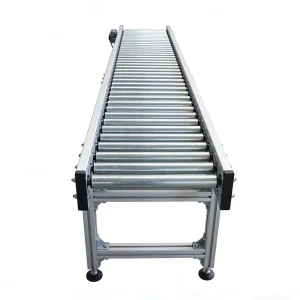
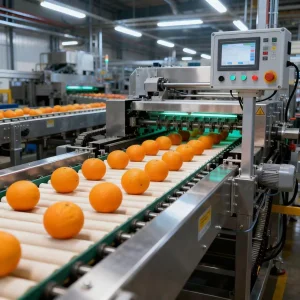
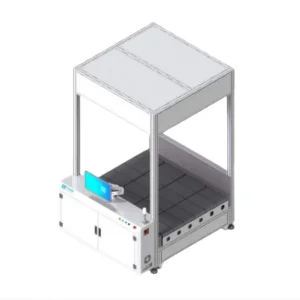
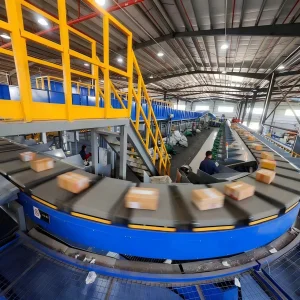
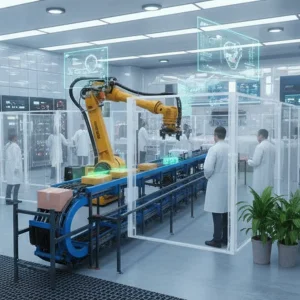
Japan’s logistics landscape is undergoing a monumental shift, often referred to by industry experts as the "2024 Logistics Problem." With the implementation of stricter overtime regulations for drivers and a shrinking labor force due to an aging population, Japanese enterprises are pivoting toward "Muzinka" (unmanned) and "Syoujinka" (labor-saving) technologies. High-speed sorting conveyors are no longer just an upgrade—they are the backbone of survival for distribution centers from Hokkaido to Kyushu.
The Japanese market demands a level of precision (Seido) and reliability (Shinraisei) that exceeds global standards. Local giants like Daifuku and Murata Machinery have set high bars. However, the surge in cross-border e-commerce and the need for rapid deployment have opened the door for high-tier Chinese manufacturers who can provide equivalent technical sophistication with significantly higher ROI and shorter lead times.
Global supply chains are moving toward Modular Automation. Hangzhou Maith Conveyor Co., Ltd. sits at the intersection of this global trend and China's massive manufacturing efficiency. By utilizing advanced PLC integration, sensor-based tracking, and AI-driven path optimization, we offer systems that integrate seamlessly into existing WMS (Warehouse Management Systems) used by Japanese logistics providers.
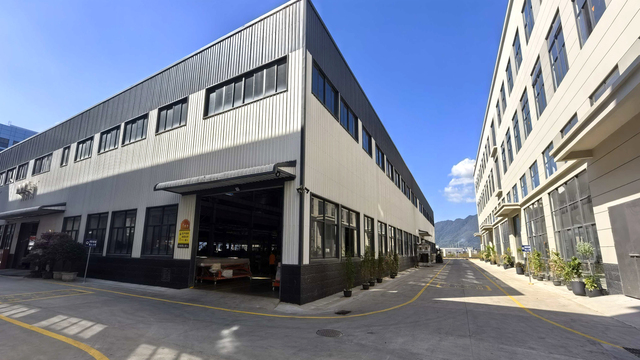
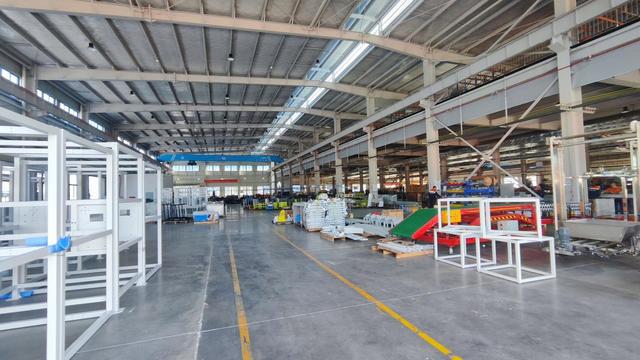
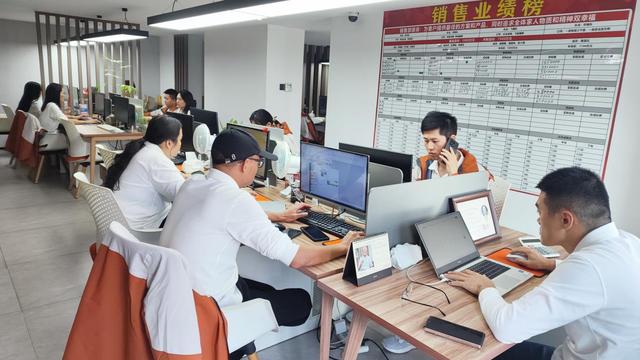
Established in 2013, Hangzhou Maith Conveyor Co., Ltd. is a titan in the smart logistics sector. Operating from a 30,000-square-meter facility in China, we specialize in high-speed material handling. With over 360 dedicated professionals, including 40+ R&D engineers, we bridge the gap between high-tech engineering and practical industrial application.
Our annual capacity of 6,500+ systems ensures that even the largest Japanese fulfillment centers can be equipped rapidly. We don't just sell hardware; we provide OEM/ODM support and localized engineering insights to ensure our sorting conveyors handle the unique packaging types found in the Japanese market—from "Takkyubin" boxes to delicate pharmaceutical pouches.
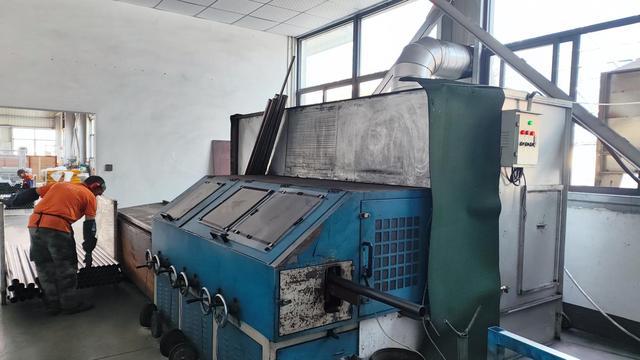
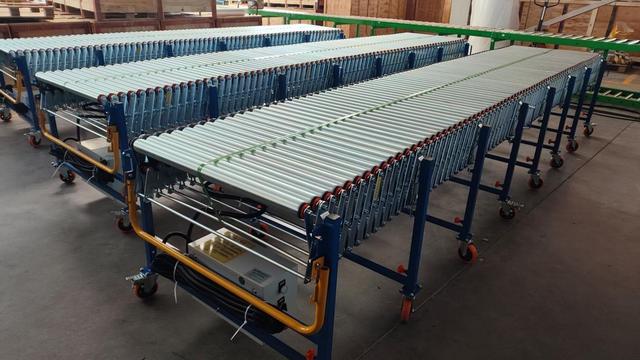
Specialized rollers and belts for Hokkaido's seafood distribution, designed to operate in low-temperature environments without grease degradation.
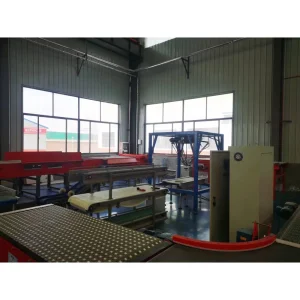
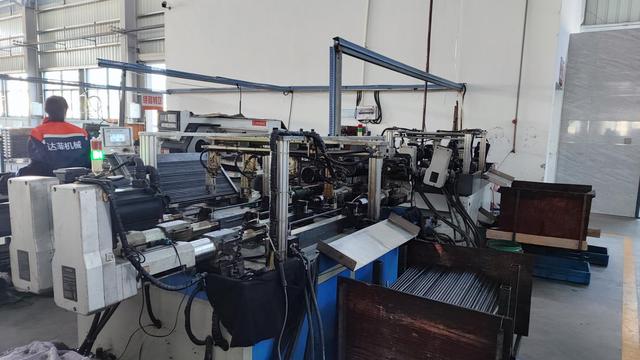
High-precision sorting for small medical vials and boxes in Saitama-based distribution centers, ensuring zero breakage and 100% track-and-trace accuracy.
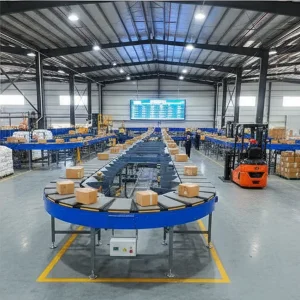
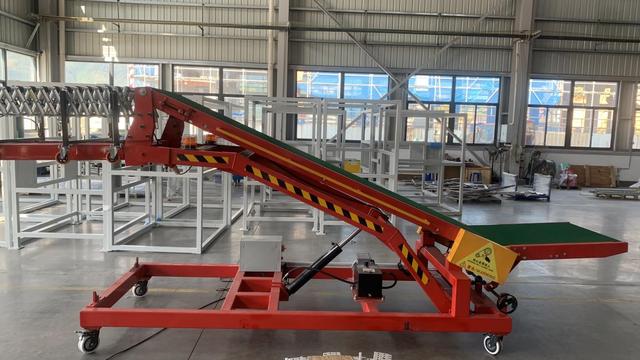
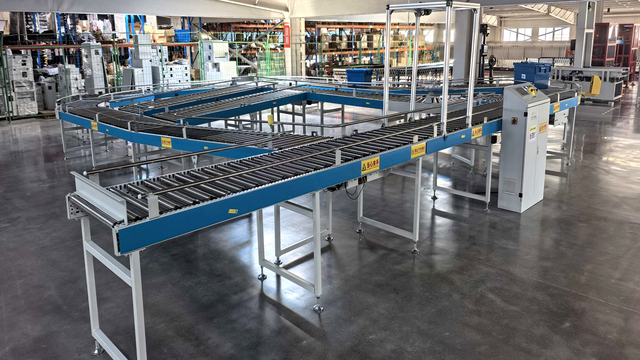
Fast-sorting modules for suburban Tokyo hubs, capable of handling 50+ diverse package sizes simultaneously with intelligent weight-checking.
The industry is moving toward Energy-Efficient Decentralized Sorting. Instead of massive, power-hungry sorters, Japanese clients are preferring modular units that can be expanded as volume grows. Our "Smart Module" systems allow for this scalability.
Procurement Checklist for Japanese Buyers:
A: Yes. All our high-speed sorting conveyors are designed with modular control architecture. We frequently use Omron or Mitsubishi PLCs and international communication protocols (EtherCAT, CC-Link) to ensure seamless integration with Japanese warehouse ecosystems.
A: We provide "Predictive Maintenance" sensors that track vibration and heat. This allows Japanese facility managers to schedule maintenance during off-peak hours, preventing the costly downtime that the driver shortage has made even more critical.
A: Depending on the customization (length, sort-points), our standard lead time is 8-12 weeks, which is significantly faster than the 24-36 week lead times currently seen with domestic Japanese suppliers.
A: We offer 24/7 remote technical support and work with several regional integration partners in Japan to provide on-site installation and emergency services.
 Maith Conveyor