Premium material handling machinery optimized for high-volume package routing, smart logistics operations, and cross-border sorting in Latvia.
Latvia, situated at the geographic center of the Baltic states, has rapidly evolved into a crucial northern European logistics transit gate. Powered by infrastructure breakthroughs like the Rail Baltica project and extensive capacity enhancements at the Riga International Airport (RIX) cargo hub, the region is transitioning from a traditional overland transport corridor into a hub of high-velocity, digital-first retail distribution networks. Cross-border e-commerce networks linking Northern Europe, Germany, and the CIS regions rely heavily on Latvia's distribution capabilities.
However, this rapid growth introduces unique regional challenges. Logistics companies operating within Riga, Mārupe, and the surrounding industrial parks face persistent labor shortages and rising operational costs. In response, modern Baltic supply chains are transitioning from manual parcel sortation to intelligent conveyor networks. For Latvia's warehouse developers and third-party logistics (3PL) providers, adopting modular, high-capacity sorting systems is no longer a luxury—it is an operational necessity to meet short delivery windows for the Nordic and European markets.
Modern distribution facilities in Latvia require equipment optimized for variable parcel styles—ranging from micro-envelopes and polybags to heavy wooden cases. Deploying advanced automated conveyor networks in Riga requires localized engineering expertise that accounts for regional power specifications (standard European 380V/220V grid compatibility), low-noise operating conditions for close-proximity urban logistics centers, and modular designs that can adapt to changing warehouse layout designs.
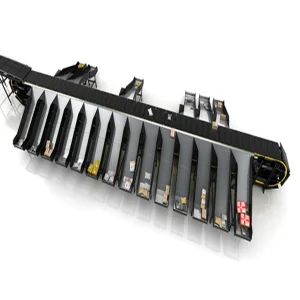
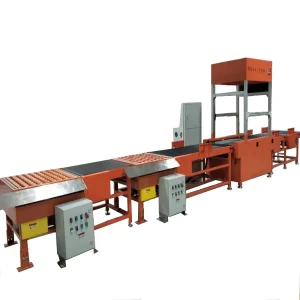
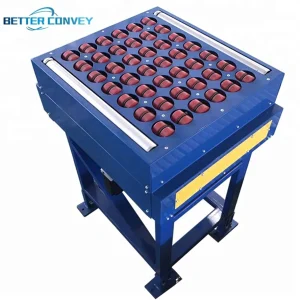
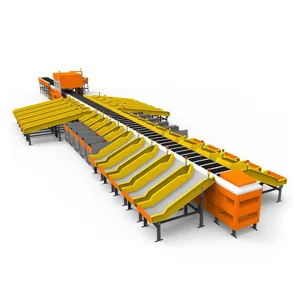
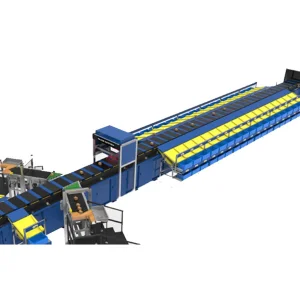
Utilizes intelligent WCS-driven routing to sort multi-category packages with high throughput, ensuring zero bottlenecks in Baltic express parcel runs.
Fully compliant with CE standards, EN 619 continuous handling regulations, and regional European workplace ergonomics directives.
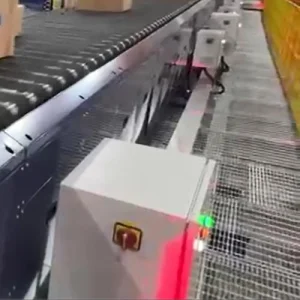
Integrated sensor arrays and PLC controls allow real-time diagnostic checks, minimizing conveyor line downtime in busy shipping cycles.
E-commerce fulfillment centers are moving away from traditional, isolated conveyor systems in favor of highly unified, data-driven warehouse solutions. When selecting conveyor suppliers for the Latvian market, procurement managers evaluate specific technological metrics:
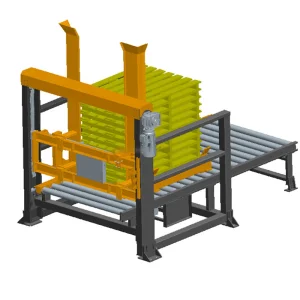
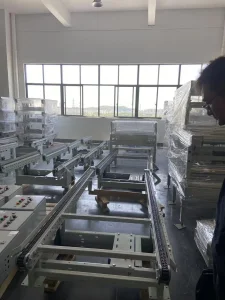
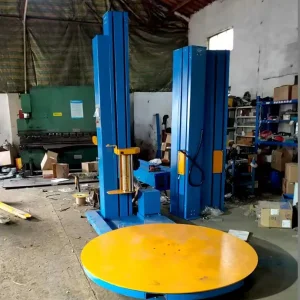
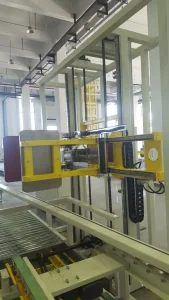
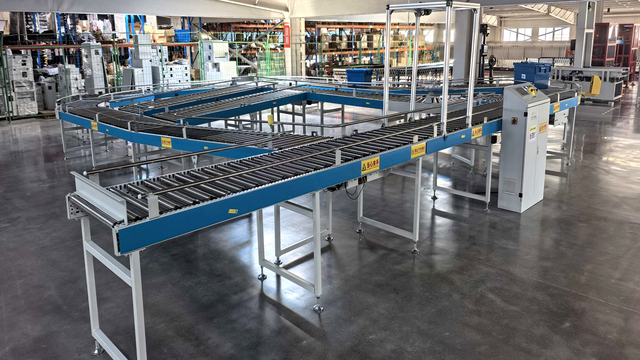
A modern distribution facility rarely relies on a single conveyor line. A comprehensive, macro-level system connects incoming material docks directly to sorting lanes, automated storage and retrieval systems (AS/RS), pallet wrapping stations, and outward transport docks. By combining smart RGV (Rail Guided Vehicle) shuttles and precision conveyors, facilities can manage high-density pallet storage and quick parcel sorting simultaneously. This structural flexibility allows Latvian logistics operators to process diverse product categories, including food, chemicals, and medical supplies, within a single facility.
All conveyor systems intended for the European Union market, including Latvia, must adhere to strict machinery directives. Hangzhou Maith Conveyor Co., Ltd. ensures that all exported systems carry the CE mark, feature emergency-stop controls, and are built to handle continuous loads safely.
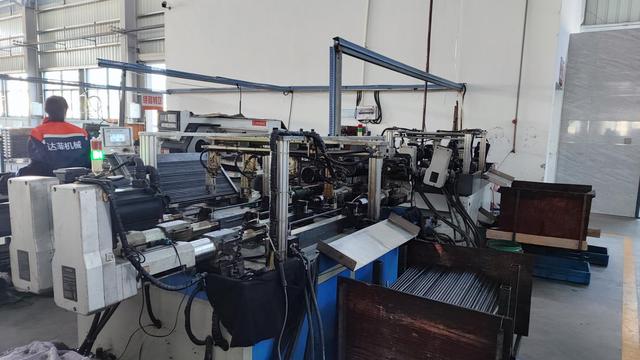
Hangzhou Maith Conveyor Co., Ltd. is a professional manufacturer specializing in warehouse conveyor systems, smart logistics automation equipment, and advanced material handling solutions for global distribution, manufacturing, and e-commerce industries. Established in 2013 and headquartered in Hangzhou, China, the company integrates research and development, system design, precision manufacturing, installation services, and international OEM/ODM support into a complete industrial automation ecosystem.
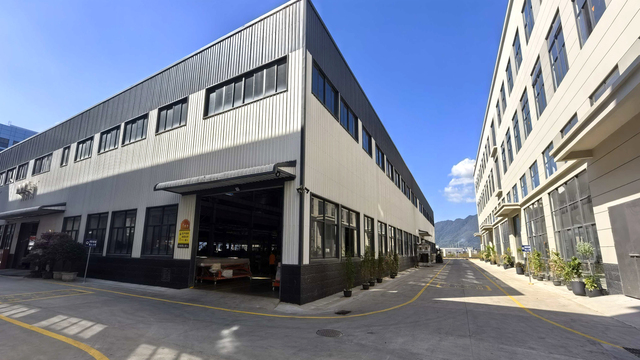
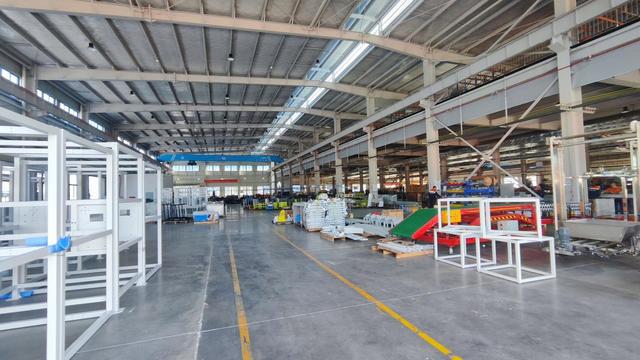
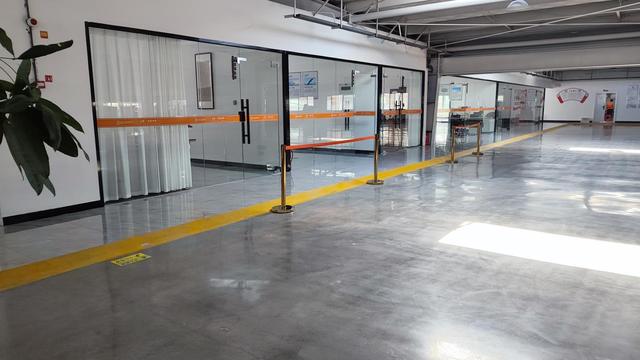
The company operates a modern production base covering approximately 30,000 square meters with more than 360 employees, including mechanical engineers, automation specialists, and software control experts. Equipped with advanced fabrication workshops, automated assembly lines, and rigorous quality inspection systems, Maith Conveyor ensures high performance, stability, and durability across all conveyor solutions. Annual production capacity exceeds 6,500 complete conveyor systems, serving clients in warehousing, logistics centers, airports, retail distribution hubs, manufacturing plants, and fulfillment operations worldwide.
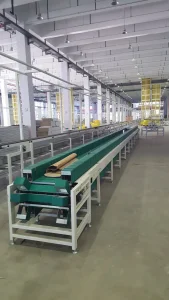
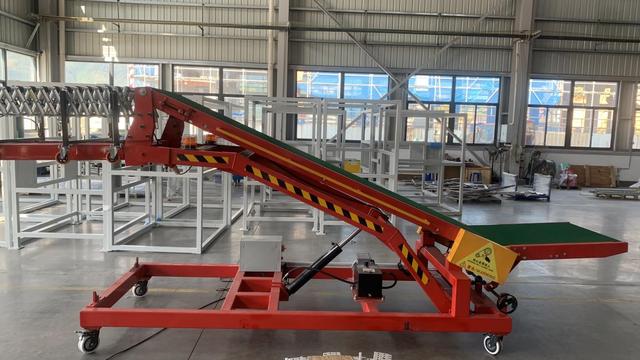
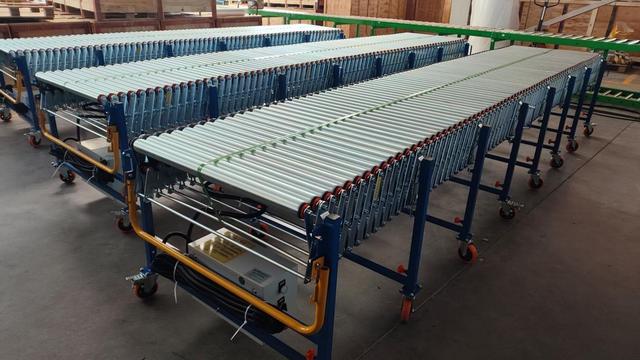
Maith Conveyor’s core product portfolio includes roller conveyor systems, belt conveyor lines, pallet handling systems, sorting conveyors, telescopic loading conveyors, gravity conveyor modules, and intelligent warehouse automation systems. By integrating PLC control systems, sensor-based tracking technology, AI-driven logistics optimization, and modular structural design, the company delivers efficient and scalable material flow solutions tailored to modern supply chain demands.
Driven by continuous innovation and smart logistics development, Hangzhou Maith Conveyor Co., Ltd. is committed to improving warehouse productivity, reducing operational costs, and enhancing automation efficiency. The company provides customized engineering solutions, flexible system integration, and reliable after-sales support, building long-term partnerships with global customers in the rapidly evolving logistics and automation industry.

The next phase of warehouse automation relies on data integration. By embedding IoT sensors directly into conveyor rollers and bearing structures, operators can transition from reactive troubleshooting to predictive maintenance. Algorithms can detect temperature spikes or abnormal vibration patterns, alerting operators before mechanical failures occur. As Latvia establishes itself as a regional Baltic logistics hub, integrating automated conveyor lines with intelligent warehouse systems will help local distribution networks maintain high operational efficiency.
Find answers to common questions about logistics automation, CE compliance, and importing conveyor systems to the Baltic region.
All our conveyor systems designed for the EU undergo rigorous safety evaluations. We select electrical drives and sensors that comply with European standards, integrate dual-channel safety stops, and provide complete documentation to ensure smooth customs clearance and installation in Latvia.
Yes, our systems are engineered for variable product sorting. By combining specialized friction-top belts, adjustable-height rollers, and optical sorting arrays, our systems handle both rigid wooden crates and flexible mailers without jams or product damage.
Typically, production takes 6 to 8 weeks from final design approval, depending on the system's size and complexity. Shipping to European ports like Riga generally takes 30 to 40 days.
Yes. Our control engineers configure PLCs (Siemens, Allen-Bradley, etc.) to integrate with major Warehouse Control Systems (WCS) and Warehouse Management Systems (WMS). We offer remote debugging support during system startup to ensure proper data communication.
We supply a complete spare parts package with every installation. In addition, we offer remote video support and diagnostic assistance to help local maintenance teams handle repairs quickly.
Explore our full range of automated parcel, pallet, and manufacturing assembly solutions designed for modern industrial operations.
 Maith Conveyor