Explore our flagship heavy load and high-performance conveyor configurations engineered for structural resilience, operational safety, and system longevity.
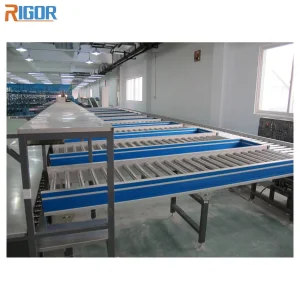
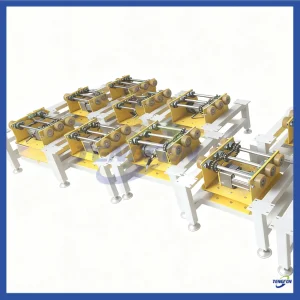
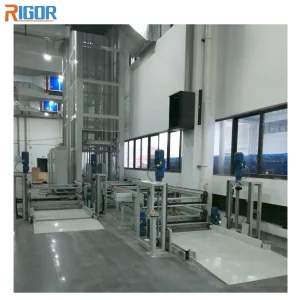
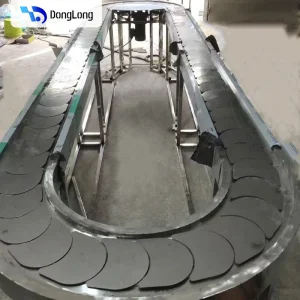
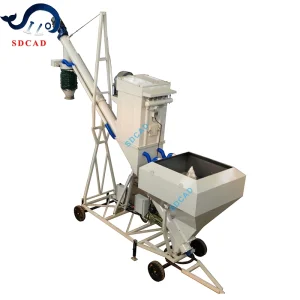

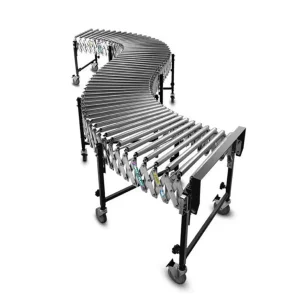
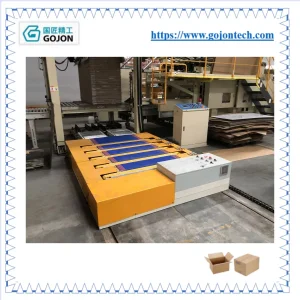
Analyzing key structural shifts, tech integrations, and sustainability dynamics steering modern heavy-tonnage logistics.
The industrial landscape is undergoing a significant transition. Historically, heavy load conveying systems were isolated mechanical assemblies designed for basic transport. Today, modern industrial architectures view these systems as central backbones of intelligent factory and warehouse ecosystems. As supply chains move towards real-time processing and rapid turnover, manufacturers are deploying advanced sensor-driven, automated material handling setups capable of managing structural weights exceeding 5,000 kilograms with high precision.
Modern conveyor systems feature integrated thermal sensors, vibration accelerometers, and acoustic analysis modules. These components track bearing wear, motor heating, and structural anomalies, letting operators schedule targeted maintenance before hardware failures occur.
By implementing IE4 permanent magnet synchronous motors paired with variable frequency drives (VFDs) and regenerative braking modules, modern heavy duty conveyor systems cut electrical energy draw by up to 30% compared to traditional models.
Through Finite Element Analysis (FEA), mechanical engineers design structures that maximize load capacities while optimizing material weight. This approach reduces overall load demands on building floors and overhead support trusses.
A key focus for modern heavy-load conveyor design is integrating hardware with advanced software layers. Equipment must interface directly with Warehouse Control Systems (WCS), Warehouse Management Systems (WMS), and Enterprise Resource Planning (ERP) platforms. Utilizing EtherCAT, PROFINET, or EtherNet/IP networks, operators can monitor product positioning down to the millimeter. This capability supports dynamic path routing, automated load balancing, and variable-speed transport, ensuring high structural safety margins and reducing mechanical shock.
A structured approach for sourcing managers evaluating global suppliers of heavy load material handling hardware.
Sourcing large-scale conveying machinery requires evaluating both immediate capital expenditure (CAPEX) and long-term operating costs (OPEX). System downtime in high-volume industries like automotive, mining, or automated distribution can quickly lead to substantial operational losses. Therefore, procurement teams must assess several key factors during the evaluation process:
How customized heavy-duty conveying systems address specific operational challenges in key global industries.
Modern automotive paint, body, and assembly lines require highly reliable transport systems to move heavy steel chassis panels and completed drivetrains. Heavy duty monorail suspensions and modular chain-driven pallet conveyors transport components safely across multi-level workstations. They offer variable positioning options and support clean, grease-free operation near sensitive painting environments.
Raw minerals and bulk materials place significant physical demands on conveyor components. Driven chain and roller conveyors designed for mining operations feature heavy-duty steel links, dust-sealed bearings, and high-impact structural frames. This design protects the system from abrasive materials, moisture, and extreme temperatures, helping prevent premature component wear.
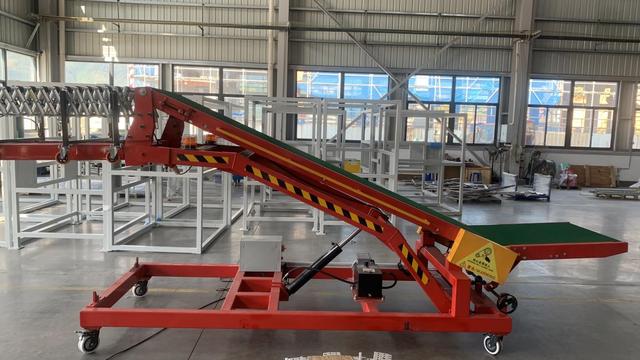
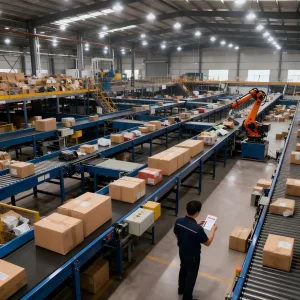
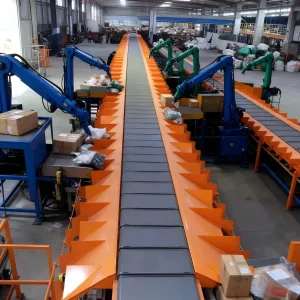
High-volume distribution centers process a wide variety of package sizes and weights. Integrating high-speed sorting technologies with heavy-duty telescopic loaders allows facilities to quickly unload mixed trucks and route parcels straight to heavy palletizing stations. This approach maintains continuous product flow and reduces the need for manual handling.
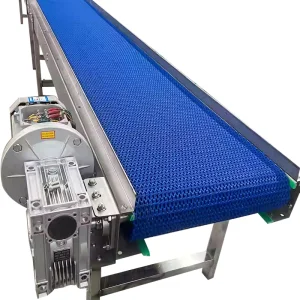
Conveyor systems in the food processing industry must balance heavy load capacity with strict sanitation standards. Custom plastic modular belt conveyors made from FDA-approved polyoxymethylene (POM) offer a robust solution. They resist washdown chemicals, grease, and moisture, while the open-hinge design allows for quick and thorough cleaning.
A deep look at an industrial manufacturer specializing in warehouse automation and high-capacity logistics equipment.
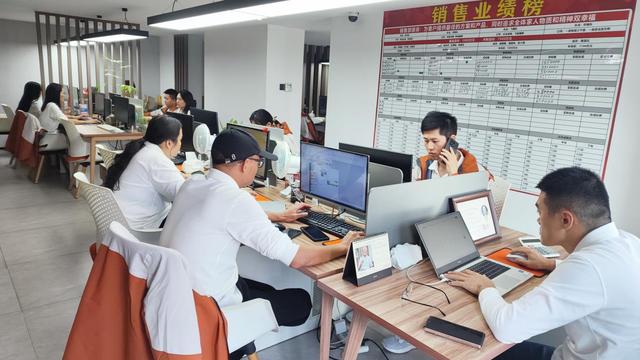
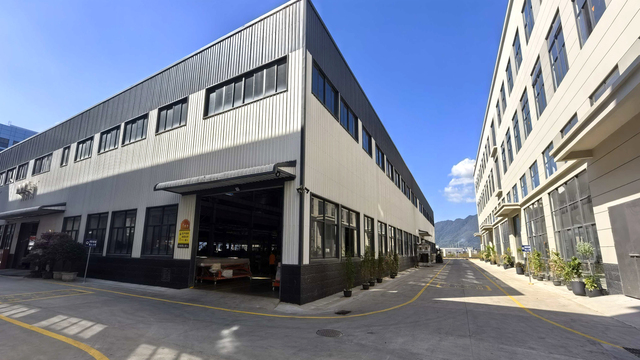
Established in 2013 and headquartered in the technology and industrial hub of Hangzhou, China, Hangzhou Maith Conveyor Co., Ltd. is a prominent manufacturer specializing in warehouse conveyor systems, smart logistics automation, and advanced material handling equipment. Serving distribution, manufacturing, and e-commerce industries worldwide, Maith integrates research and development, custom system design, precision manufacturing, system installation, and international OEM/ODM support into a complete logistics automation ecosystem.
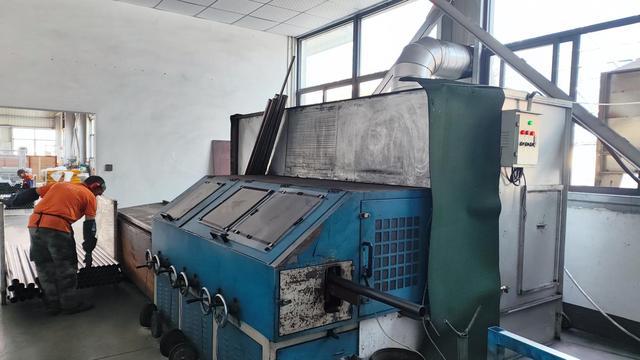
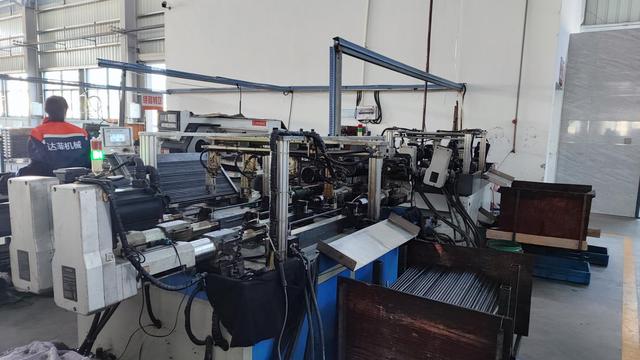
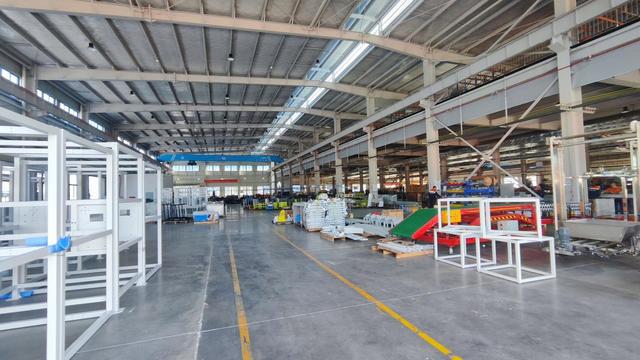
Operating from a modern 30,000 square meter production facility, the company employs over 360 professionals, including mechanical, automation, and software control engineers. Equipped with advanced fabrication workshops and automated assembly lines, Maith Conveyor maintains an annual capacity of over 6,500 systems, delivering stable, high-performance, and durable conveyor solutions to customers globally.
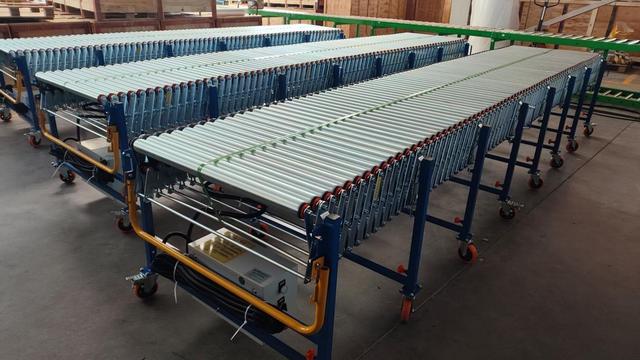
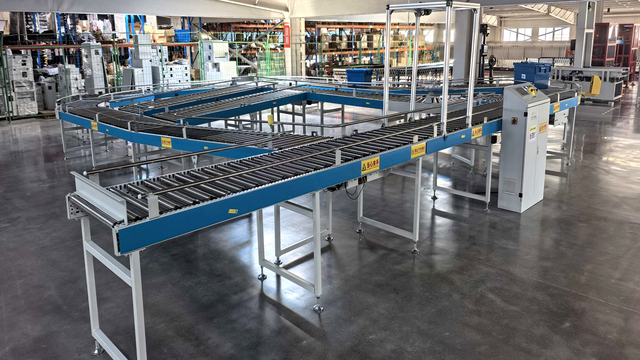
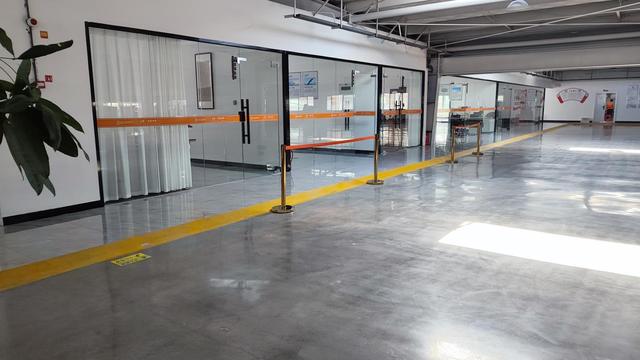
A view into Maith's production base, testing facilities, and assembly floor.
Ensuring global interoperability, workplace safety compliance, and comprehensive after-sales services.
Deploying heavy machinery globally requires compliance with regional safety and technical regulations. Operating high-capacity mechanical equipment near human workers demands robust engineering safeguards. Sourcing managers should verify that their machinery suppliers adhere to these key compliance standards:
Buying heavy conveying systems requires reliable installation and maintenance support. Lead partners should provide clear guidelines for remote diagnostics, on-site commissioning, and quick parts delivery. Setting up preventative maintenance programs and training local operators on basic system care helps minimize unplanned downtime and keeps systems running smoothly over their intended lifespan.
Key technological developments that will shape the next generation of industrial conveyor systems.
As factories and warehouses work toward higher automation and efficiency, heavy conveying systems are evolving in several key areas:
Rather than relying solely on fixed layouts, modern facilities increasingly integrate stationary heavy-duty conveyors with mobile AGVs and AMRs. This approach allows for flexible path configurations and adaptive material routing throughout the facility.
Future control setups will go beyond simple PLC programming. Integrated AI algorithms will analyze system telemetry in real time, balancing product flows, adjusting motor speeds to reduce wear, and alerting maintenance teams to potential issues before they cause downtime.
Environmental standards are influencing material selection. Modern component designs prioritize recyclable thermoplastics and energy-efficient motor systems to help operations meet their corporate sustainability targets.
Addressing the key engineering and sourcing questions of industrial procurement professionals.
Dynamic load calculations go beyond static weights. Engineers apply factors (typically between 1.2 and 1.5) to account for acceleration forces, mechanical shock during loading, and path inclines. These values help determine the correct structural thickness and motor sizing.
Polyoxymethylene (POM) modular belts offer high tensile strength, impact resistance, and low friction coefficients. Their modular construction allows for easy cleaning and maintenance, making them suitable for food-grade applications and heavy materials.
Modern systems standardise on Industrial Ethernet networks, including PROFINET, EtherNet/IP, and EtherCAT. These protocols support real-time monitoring and control, allowing the conveyor system to coordinate smoothly with higher-level WMS/ERP platforms.
Maith Conveyor implements quality control checks at every stage of production, from raw material inspection through assembly to final testing. All systems are configured to meet relevant international standards, including CE, UL, and ASME, based on project requirements.
Review our specialized material handling and packaging equipment designed for high-efficiency and heavy-duty logistics operations.
 Maith Conveyor