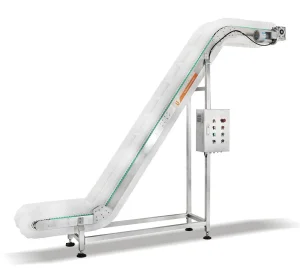
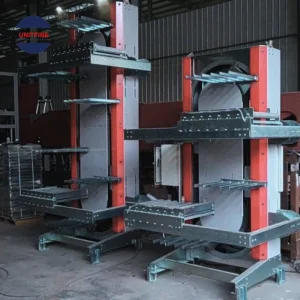
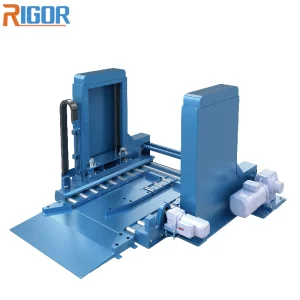
High-reliability modular components engineered to streamline warehouse logistics, eliminate product collision, and optimize throughput.
Modern Manufacturing Base
Experienced Automation Experts
Annual Systems Capacity
CE Certified Production Quality
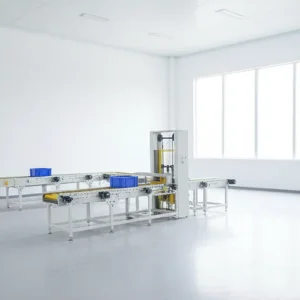
In modern automated logistics and industrial manufacturing, optimization of product buffering is critical to prevent product damage, reduce mechanical wear, and maintain consistent upstream-to-downstream workflow. Accumulation conveyors act as the system's "shock absorber." Unlike standard transportation conveyors which move all loads continuously, accumulation systems isolate, hold, and release products dynamically based on sensor logic and material flow requirements.
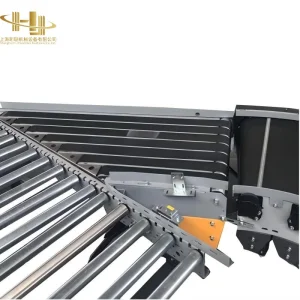
Utilizes dedicated photo-eyes, decentralized zone controllers, and brushless 24V DC Motorized Drive Rollers (MDR) to create physical gaps between transported products. Each zone operates independently, halting upstream zones if the immediate downstream zone is occupied. This removes line pressure entirely, safeguarding delicate goods, electronics, and food cartons from crushing forces.
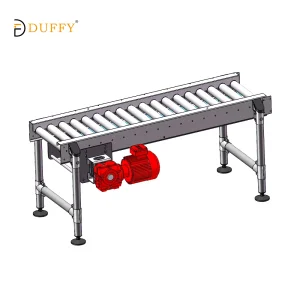
Relies on a single continuous drive medium (belt or chain) beneath rollers fitted with slip clutches or spring-adjusted tension systems. When a product is blocked, the rollers slide underneath the package, exerting only a minor, controlled forward force. This mechanical solution is cost-effective for uniform, robust goods where light contact is acceptable.
"Transitioning from traditional flat-belt conveying to zoned ZPA accumulation systems typically reduces energy consumption by up to 60% because zones only operate when a package is physically present."
As a premier accumulation conveyor supplier, Hangzhou Maith Conveyor Co., Ltd. ensures all systems carry valid CE marking. Compliance is maintained with the Machinery Directive 2006/42/EC, Low Voltage Directive 2014/35/EU, and Electromagnetic Compatibility (EMC) Directive 2014/30/EU. This level of quality guarantees that our systems integrate into European and global enterprise networks, operating safely alongside human personnel in high-speed picking, sorting, and palletizing environments.
A Leading Chinese Manufacturer of Smart Warehousing Automation Equipment
Established in 2013 and headquartered in Hangzhou, China, Hangzhou Maith Conveyor Co., Ltd. has developed into a professional manufacturer specializing in warehouse conveyor systems, smart logistics automation equipment, and advanced material handling solutions. Serving global distribution, manufacturing, and e-commerce industries, we integrate research and development, custom system design, precision manufacturing, system installation, and international OEM/ODM support into a complete industrial automation ecosystem.
Operating a modern production base covering approximately 30,000 square meters, our workforce features more than 360 employees, including senior mechanical engineers, automation specialists, and software control experts. Our facilities feature advanced fabrication workshops, automated assembly lines, and rigorous quality inspection units to guarantee the high performance, stability, and durability of our conveyor systems. With an annual production capacity exceeding 6,500 complete conveyor systems, we support distribution centers, airports, retail hubs, and manufacturing plants worldwide.
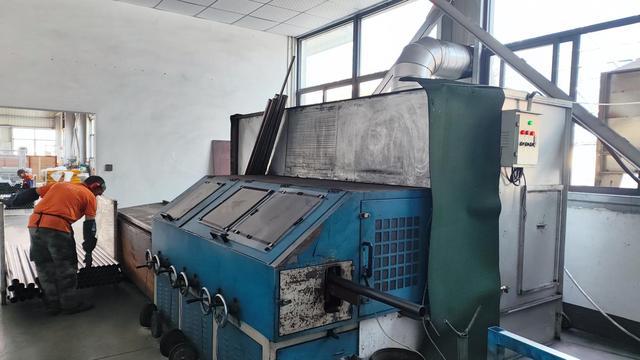
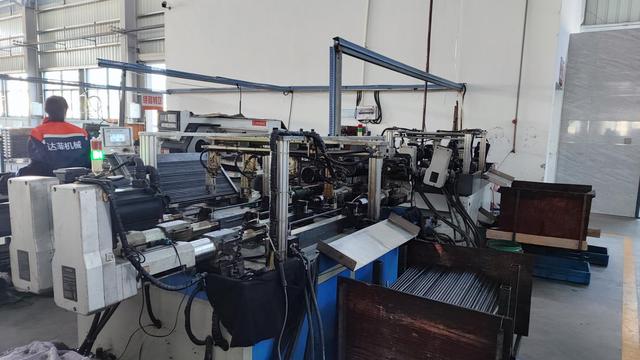
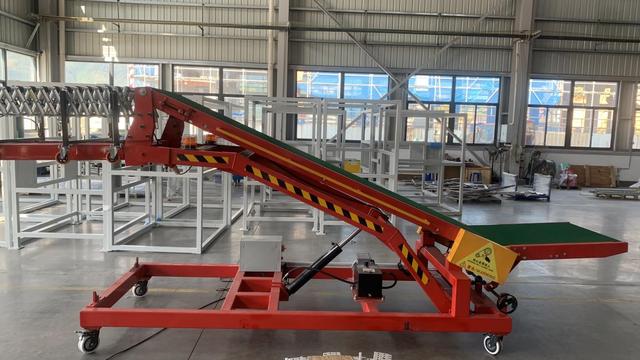
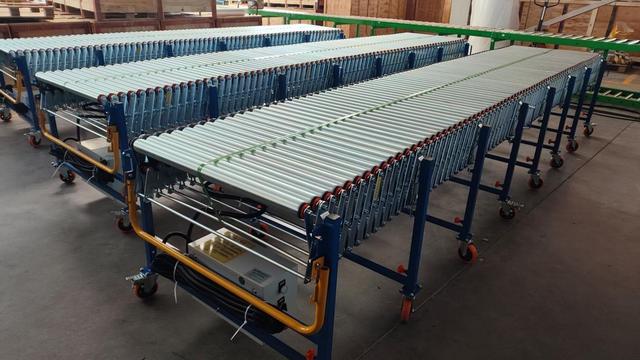
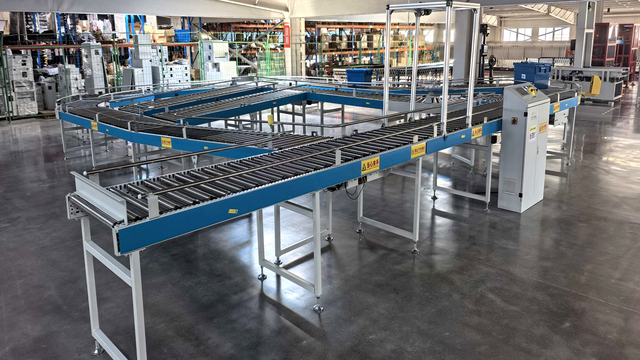
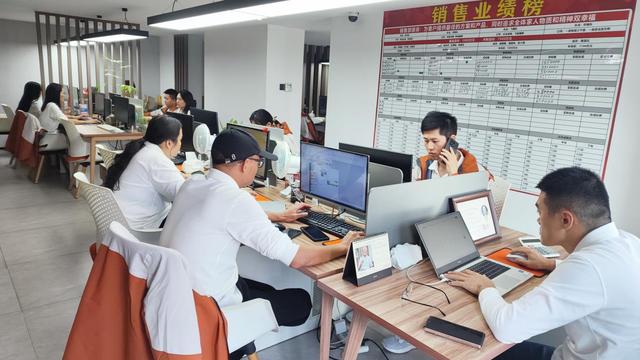
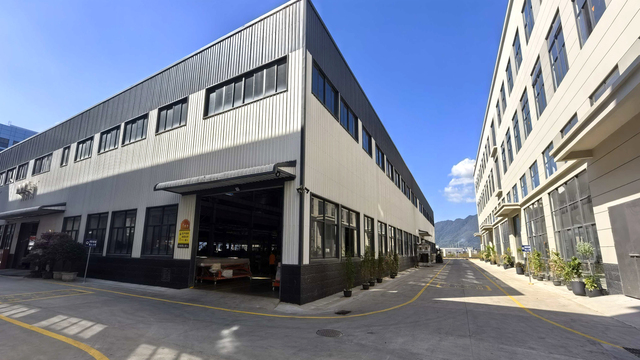
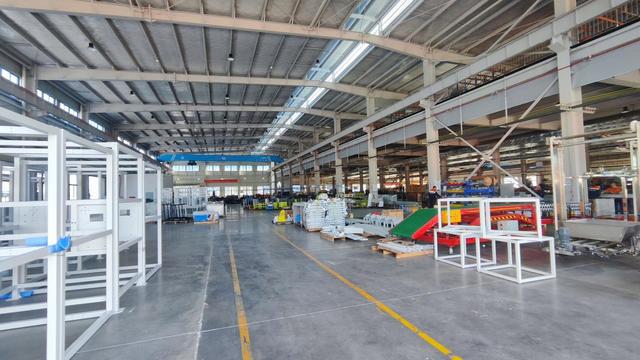
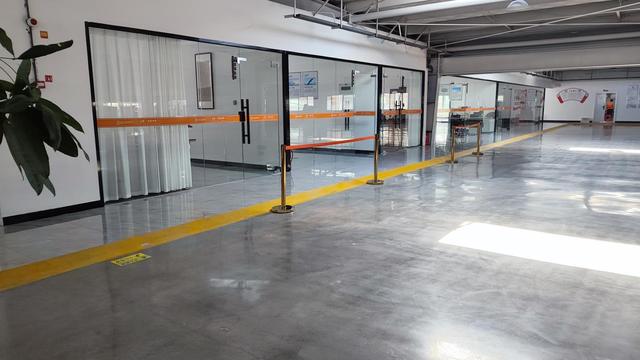
The structural advantages of Hangzhou Maith Conveyor Co., Ltd. in global supply chains.
Headquartered in Hangzhou's technology hub, we leverage China's advanced supply chain networks. Raw steel processing, precision roller machining, sensor components, and control card fabrication occur within a 150-kilometer radius, drastically reducing manufacturing lead times.
Our in-house R&D team provides tailormade modifications for specific conveyor geometries, custom layout dimensions, and integration options with various PLC brands, including Siemens, Rockwell Automation, and Mitsubishi, ensuring seamless integration on the factory floor.
Our streamlined assembly systems, high-efficiency robotics, and lower manufacturing overhead allow us to provide premium, long-lasting machinery at a fraction of the cost of European or North American counterparts, while utilizing identical high-end sensors (Sick, Pepperl+Fuchs) and motors.
Logistics requirements vary significantly across sectors. A high-performance accumulation conveyor must be adaptable to different loads, environmental conditions, and processing speeds. Hangzhou Maith Conveyor Co., Ltd. designs, builds, and commissions specialized systems for multiple market segments:
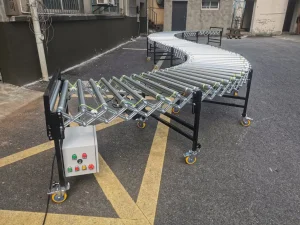
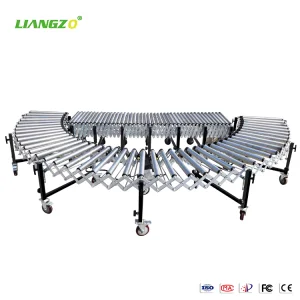
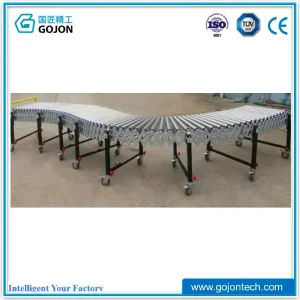
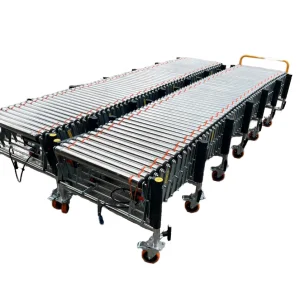
High-volume order fulfillment requires fast, zero-collision buffering before parcel sortation systems. Our expandable roller systems, integrated with photo-eyes, handle varying box weights and paper bags without system jams, stabilizing line throughput.
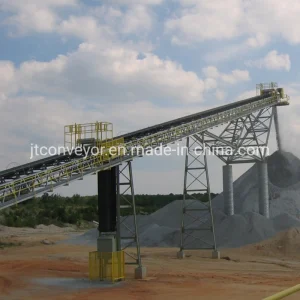
Car manufacturing involves heavy, critical components like engines, gearboxes, and body parts. Our heavy-duty accumulation systems provide robust minimum-pressure buffering, holding heavy metal pallets safely in place during assembly stages.
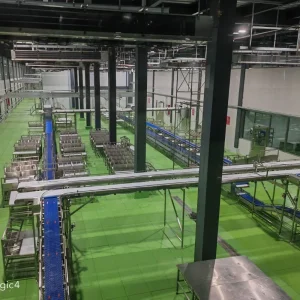
Food manufacturing demands high hygiene and corrosion resistance. We supply food-grade, CE-certified stainless steel modular belt and roller systems that withstand washdown procedures, chemical sanitization, and low temperatures.
The material handling sector is transitioning from mechanical automation to digital systems. The emergence of the Industrial Internet of Things (IIoT) allows modern accumulation conveyors to communicate directly with Warehouse Control Systems (WCS) and Warehouse Management Systems (WMS). Key trends driving the industry include:
For international procurement managers and lead automation designers, selecting an accumulation conveyor partner requires strict evaluation of technical engineering specifications. We test and calibrate every machine to ensure compliance with international standards:
Before leaving our facility, each accumulation conveyor line undergoes a continuous 48-hour dry-run testing phase. We test under maximum load conditions to verify roller temperature, sensor communication response times, and pneumatic actuator cycles, ensuring flawless on-site commissioning.
Professional answers to common engineering questions concerning accumulation conveyor systems.
Heavy-duty transport lines, sorting units, and multi-tier lift platforms to optimize warehouse operations.
 Maith Conveyor