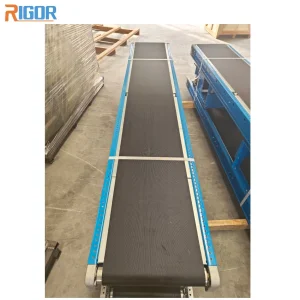
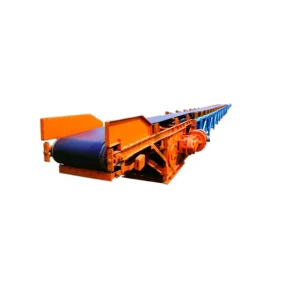
Pre-engineered and modular belt conveyor systems optimizing light-to-medium handling efficiency across Southern African trade corridors.
Hangzhou Maith Conveyor Co., Ltd. is a professional manufacturer specializing in warehouse conveyor systems, smart logistics automation equipment, and advanced material handling solutions for global distribution, manufacturing, and e-commerce industries. Established in 2013 and headquartered in Hangzhou, China, the company integrates research and development, system design, precision manufacturing, installation services, and international OEM/ODM support into a complete industrial automation ecosystem.
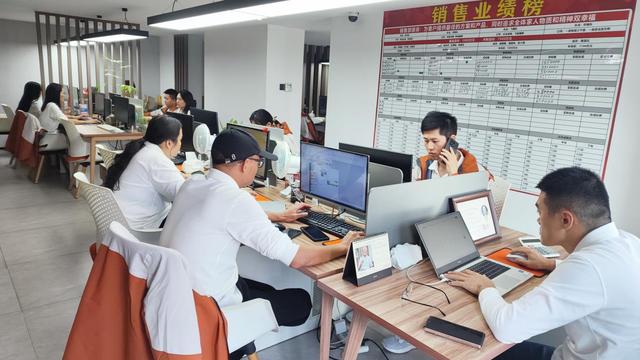
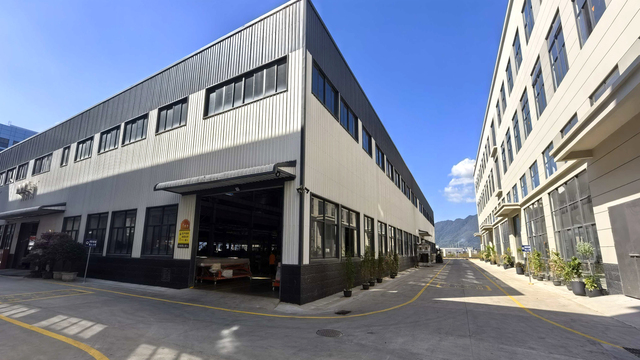
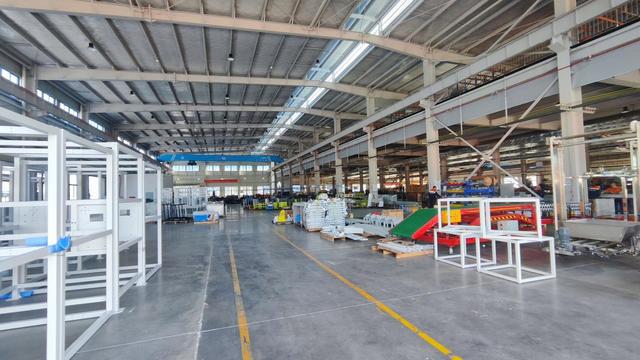
The company operates a modern production base covering approximately 30,000 square meters with more than 360 employees, including mechanical engineers, automation specialists, and software control experts. Equipped with advanced fabrication workshops, automated assembly lines, and rigorous quality inspection systems, Maith Conveyor ensures high performance, stability, and durability across all conveyor solutions. Annual production capacity exceeds 6,500 complete conveyor systems, serving clients in warehousing, logistics centers, airports, retail distribution hubs, manufacturing plants, and fulfillment operations worldwide.
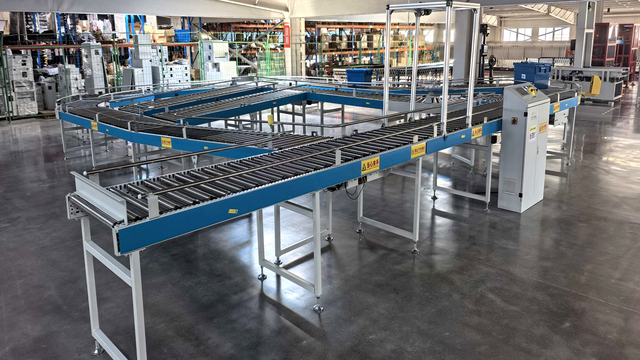
Maith Conveyor’s core product portfolio includes roller conveyor systems, belt conveyor lines, pallet handling systems, sorting conveyors, telescopic loading conveyors, gravity conveyor modules, and intelligent warehouse automation systems. By integrating PLC control systems, sensor-based tracking technology, AI-driven logistics optimization, and modular structural design, the company delivers efficient and scalable material flow solutions tailored to modern supply chain demands.
"Driven by continuous innovation and smart logistics development, Hangzhou Maith Conveyor Co., Ltd. is committed to improving warehouse productivity, reducing operational costs, and enhancing automation efficiency. We provide customized engineering solutions, flexible system integration, and reliable after-sales support."
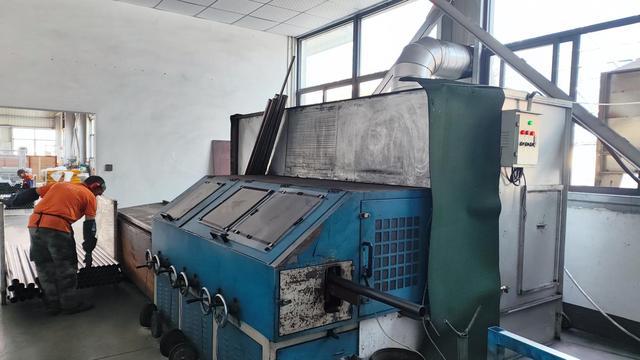
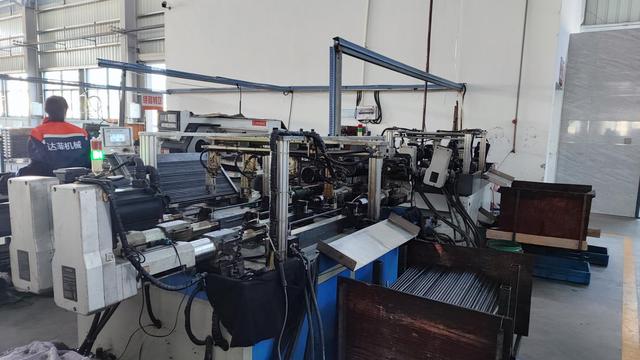
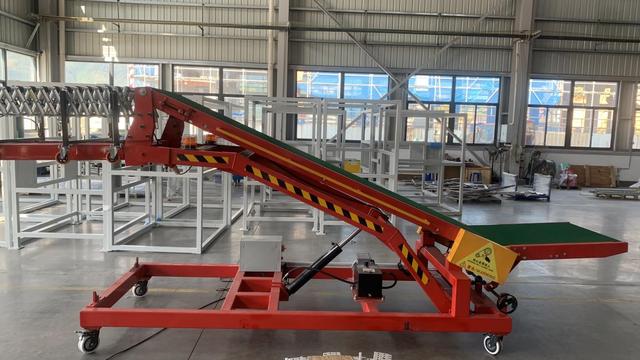
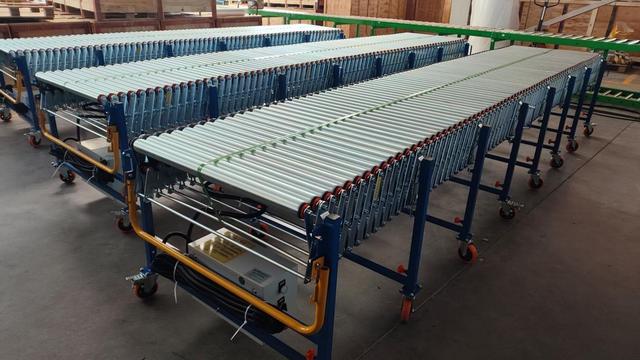
Namibia is rapidly transforming into a pivotal trade gateway for the Southern African Development Community (SADC) region. Driven by major expansions at the Port of Walvis Bay, massive uranium mining complexes in the Erongo Region, and rising investments in agricultural processing and green hydrogen infrastructures, the demand for robust, reliable, and energy-efficient conveyor systems is at an all-time high. However, designing and exporting material handling systems to Namibia presents a unique set of engineering and geographical challenges.
Material handling requirements in Namibia vary significantly depending on the region and the specific commodity. To optimize material flow, systems must be specifically engineered to address the localized environmental realities of each application:
Namibia is home to the Namib Desert, characterized by extreme climatic conditions. Standard industrial conveyor configurations fail rapidly if they are not specifically optimized for the following factors:
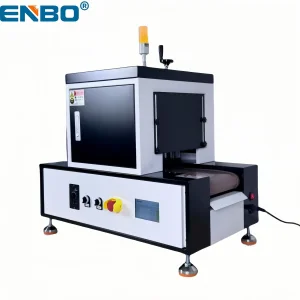
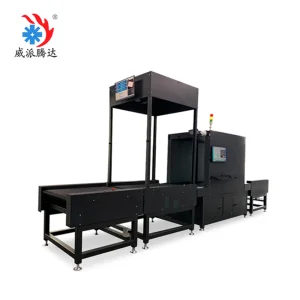
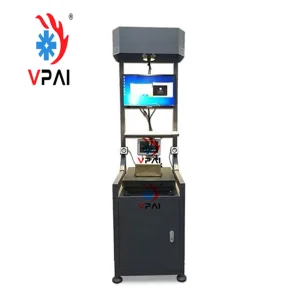
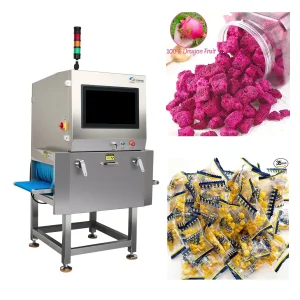
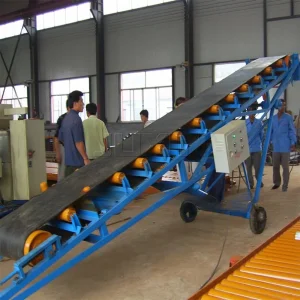
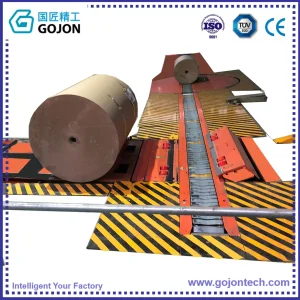
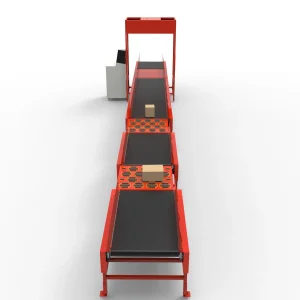
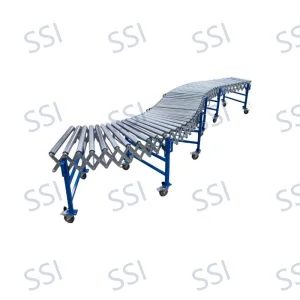
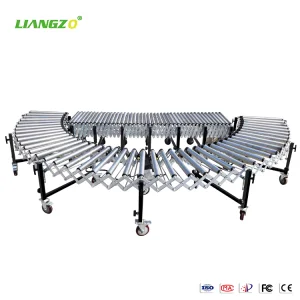
Precision systems engineered for packaging, agricultural exports, and sorting automation in key Namibian economic sectors.
When deploying industrial-grade conveying systems, the design begins with selecting the correct structural configuration and belt compound. Hangzhou Maith Conveyor Co., Ltd. ensures all materials meet or exceed ISO and DIN international standards to guarantee longevity in harsh environments:
| Conveyor Element | Standard Specifications | Special Namibian Adaptations |
|---|---|---|
| Belt Material | EP (Polyester-Polyamide) or Steel Cord (ST) | Enhanced UV Inhibitors & Ozone Resistance (DIN 22131/ISO 15236) |
| Structural Frame | Q235/Q355 Carbon Steel, Paint/Epoxy Coating | Hot-Dip Galvanized (HDG) (ISO 1461) to resist coastal salt fog at Walvis Bay |
| Drive Units | SEW-Eurodrive or Nord Gearbox / Siemens Motors | IP66 High Ingress Protection, Class H Insulation for desert heat |
| Idlers & Rollers | Double-sealed, maintenance-free labyrinth seals | Additional polyurethane scraper bands and triple-labyrinth seal bearings |
The belt tensioning system is another critical engineering parameter. For long-distance mining systems, gravity take-ups or intelligent hydraulic tensioning stations are integrated to accommodate thermal elongation without manual adjustments, which minimizes downtime. To ensure optimal performance, our systems include:
Electricity in Southern Africa is a critical constraint. Energy-efficient conveyor drives have a massive impact on the Return on Investment (ROI) of mining operations. Maith utilizes Variable Frequency Drives (VFDs) paired with high-efficiency IE4/IE5 motors. By running at optimized speeds matching real-time loading metrics, power consumption can be lowered by up to 28% compared to direct-online (DOL) constant-speed systems.
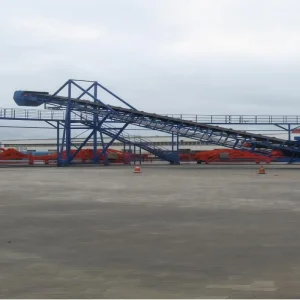
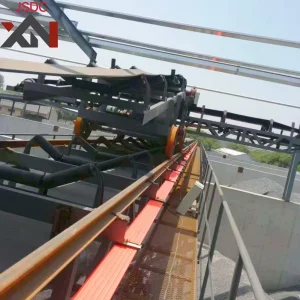
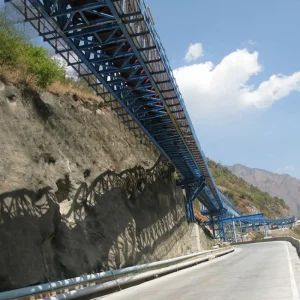
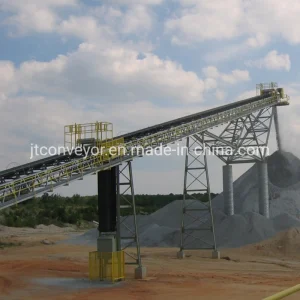
Premium material handling systems built for the most demanding mining, quarrying, and bulk transit operations in Namibia.
Successful execution of international conveying projects depends deeply on local compliance, hassle-free customs clearance, and long-term maintenance support. For the Namibian market, Maith Conveyor Co., Ltd. implements a multi-step project delivery workflow:
The global material handling market is moving toward preventive maintenance models. Hangzhou Maith Conveyor is leading this wave by integrating IoT telemetry options into our heavy-duty belt conveyor systems. By employing smart thermal and vibration sensors on critical bearing blocks, system operators in Windhoek or Swakopmund can monitor pulley health and gearwear via a centralized SCADA dashboard. Early warning indicators detect belt tearing or pulley deviations before costly catastrophic failure occurs, saving thousands of dollars in unscheduled downtime.
Get answers to common technical queries about deploying our conveyor systems in Namibian mining, port, and industrial projects.
All our rubber conveyor belts designed for outdoor projects in Namibia are manufactured using specialized rubber formulations containing high-grade carbon black and anti-aging agents (such as 6PPD). This increases resistance to thermal oxidation and ozone degradation, extending the belt lifespan by up to 40% in desert conditions.
For corrosive maritime environments, we utilize hot-dip galvanized (HDG) steel framing (complying with ISO 1461 standards) or premium SUS304/SUS316 stainless steel configurations. The electrical enclosures are rated IP66/IP67, and we use dual-layered paint systems with epoxy-rich primers for ultimate salt spray protection.
Yes. Our automation panels utilize major global PLC brands (such as Siemens S7 Series or Schneider Electric). We design our control architectures to seamlessly interface with existing DCS, SCADA, or ERP structures via standard industrial protocols like Modbus TCP, Profinet, or EtherNet/IP.
Manufacturing of standard systems generally ranges between 30 to 45 days. Large-scale custom mining or sorting lines require 60 to 75 days. Maritime transit from Ningbo/Shanghai port to the Walvis Bay port typically takes about 35 to 45 days.
We provide full remote technical support, detailed installation manuals, and CAD/3D animations. For high-capacity industrial lines, we dispatch certified senior engineers to site to oversee structural alignment, belt splicing, sensor calibration, and commissioning.
 Maith Conveyor