High-performance modular systems designed for Industry 4.0 integration.
In the era of hyper-automation, roller conveyor factories have transitioned from simple equipment fabricators to high-tech system integrators. As global supply chains face unprecedented pressure for speed and accuracy, the demand for sophisticated material handling solutions has skyrocketed. The modern conveyor system is no longer a "dumb" asset; it is a sensor-rich, AI-integrated backbone of the smart warehouse.
Leading factories, particularly those in manufacturing hubs like Hangzhou, China, are leveraging massive industrial clusters to provide high-performance systems at a fraction of the cost of traditional Western manufacturers, without compromising on E-E-A-T (Experience, Expertise, Authoritativeness, and Trustworthiness).
Factories in China benefit from deep vertical integration. From raw steel sourcing to precision-engineered motor controllers, the proximity of components reduces lead times by 40% compared to international competitors.
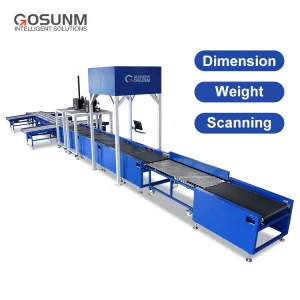
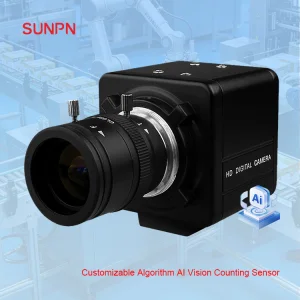
Modern Chinese factories like Hangzhou Maith are integrating AI Visual Recognition and DWS (Dimension Weighing Scanning) directly into the roller modules, enabling smarter sorting and tracking.
Whether it is a non-standard assembly line or a massive e-commerce distribution hub, the ability to rapidly prototype and scale "Modular Design" is a hallmark of top-tier Chinese engineering.
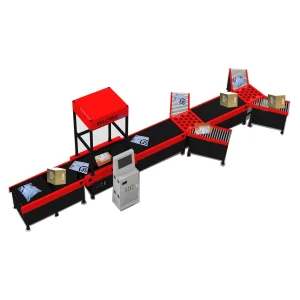
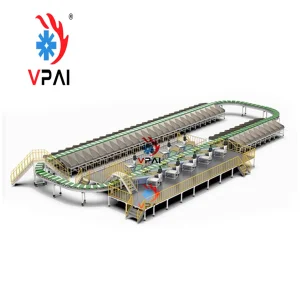
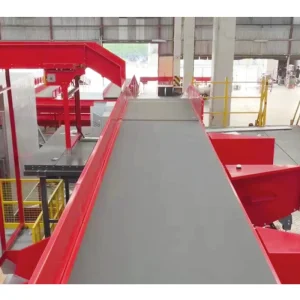
With the explosion of online retail, high-speed sorting is critical. Systems must handle diverse packaging from polybags to heavy cartons. Top factories are now focusing on High-Speed Parcel Sorting Machines that utilize AI to track and trace dynamic loads.
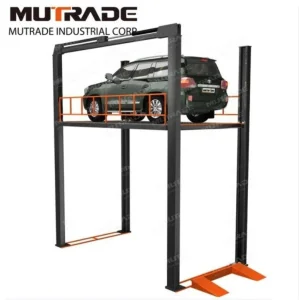
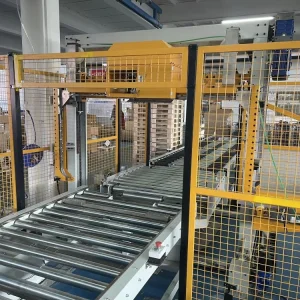
Heavy-duty pallet conveyors are the lifeblood of automotive assembly. Reliability and load-bearing capacity are non-negotiable. Using CE-certified vertical conveyors and car elevator systems allows for multi-level production in space-constrained urban environments.
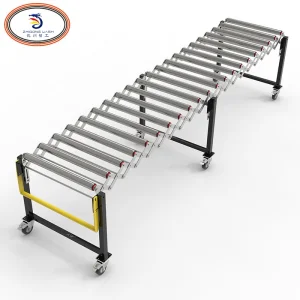
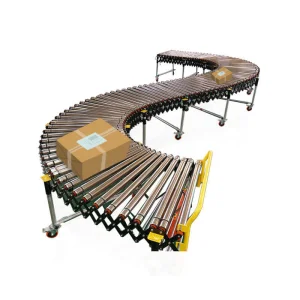
Cleanliness and temperature resistance are key. Stainless steel telescopic conveyors and dust-proof designs ensure that sensitive materials are handled without contamination, meeting strict global health standards.
A Case Study in Manufacturing Excellence
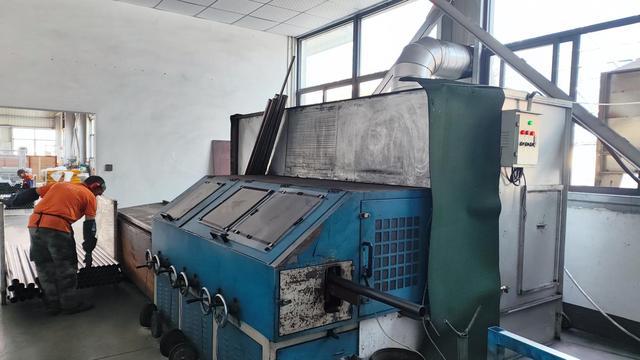
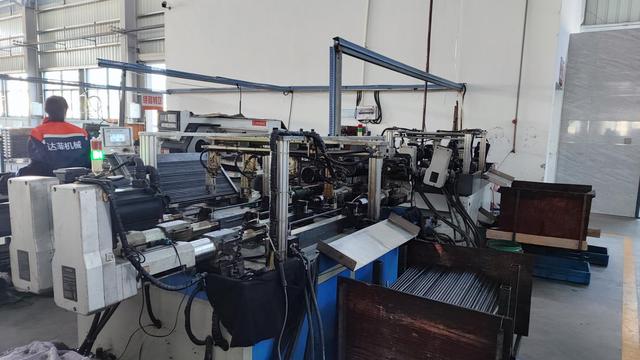
Hangzhou Maith Conveyor Co., Ltd. is a professional manufacturer specializing in warehouse conveyor systems, smart logistics automation equipment, and advanced material handling solutions for global distribution, manufacturing, and e-commerce industries. Established in 2013 and headquartered in Hangzhou, China, the company integrates research and development, system design, precision manufacturing, installation services, and international OEM/ODM support into a complete industrial automation ecosystem.
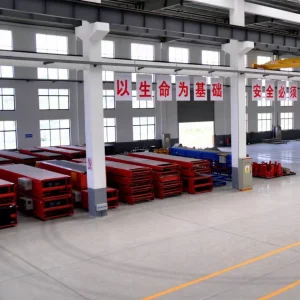
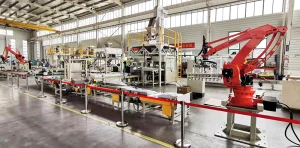
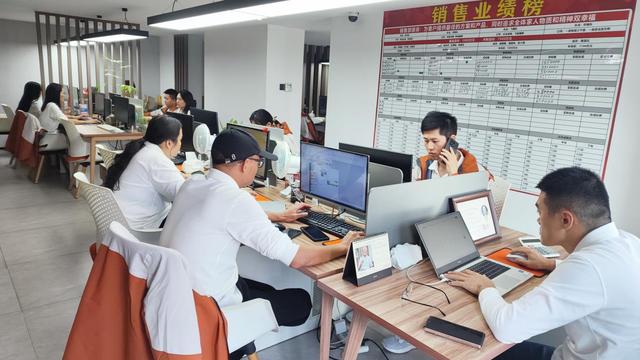
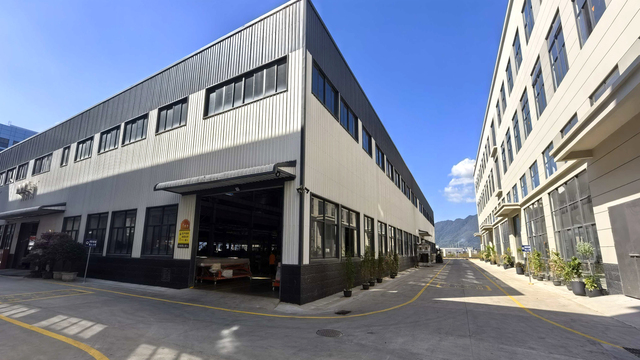
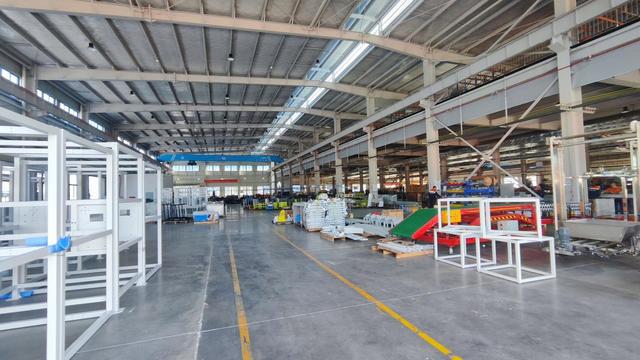
The company operates a modern production base covering approximately 30,000 square meters with more than 360 employees, including mechanical engineers, automation specialists, and software control experts. Equipped with advanced fabrication workshops, automated assembly lines, and rigorous quality inspection systems, Maith Conveyor ensures high performance, stability, and durability across all conveyor solutions. Annual production capacity exceeds 6,500 complete conveyor systems, serving clients in warehousing, logistics centers, airports, retail distribution hubs, manufacturing plants, and fulfillment operations worldwide.
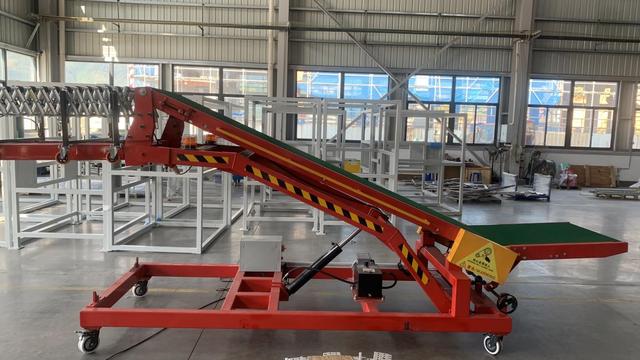
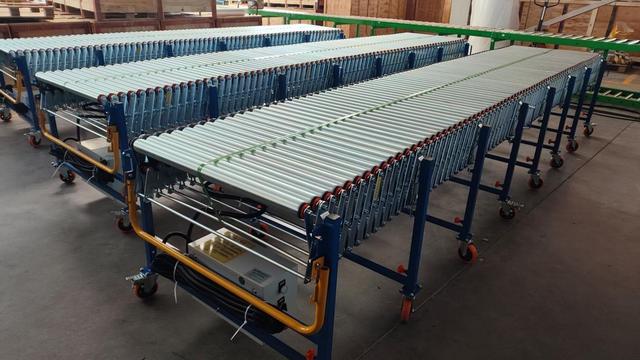
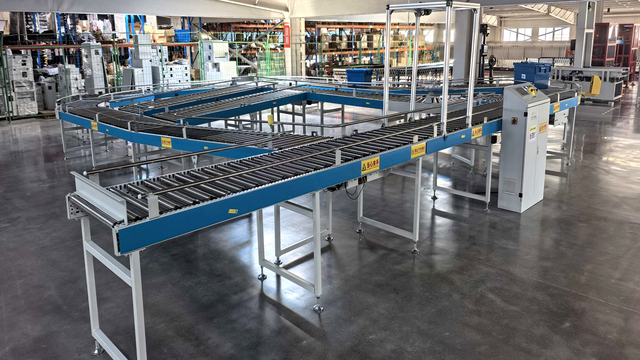
Maith Conveyor’s core product portfolio includes roller conveyor systems, belt conveyor lines, pallet handling systems, sorting conveyors, telescopic loading conveyors, gravity conveyor modules, and intelligent warehouse automation systems. By integrating PLC control systems, sensor-based tracking technology, AI-driven logistics optimization, and modular structural design, the company delivers efficient and scalable material flow solutions tailored to modern supply chain demands.
Modern businesses grow rapidly. Procurement managers now insist on "Plug-and-Play" modular designs that allow a 50-meter line to expand to 200 meters without replacing the existing architecture.
With rising ESG mandates, "Run-on-Demand" technology is essential. Sensors detect when a package is approaching and only then activate the motors, reducing energy consumption by up to 30%.
Beyond the initial purchase price, the longevity of rollers, ease of belt replacement, and software support determine the true value. Expertise in "Reliability Engineering" is what separates the Top 10 factories from the rest.
Gravity conveyors rely on manual force or an incline to move items, making them cost-effective for simple transport. Powered roller conveyors use motors (often 24V DC) to control the speed and flow, essential for sorting and automated processing.
Roller diameter depends on the weight and size of the load. Standard diameters range from 38mm to 76mm. Smaller items require smaller rollers with closer spacing to prevent "bumping" or stalling.
Yes, professional factories provide PLC controllers that support industry-standard protocols like EtherNet/IP, Profinet, and Modbus, allowing seamless communication with your Warehouse Management System.
Standard modular systems can be shipped within 2-4 weeks. Large-scale, fully customized systems involving AI sorting or complex multi-tier structures usually take 8-12 weeks from design approval to shipping.
Precision-engineered tools for specific industrial applications.
 Maith Conveyor