Engineered to handle harsh environments, improve packaging efficiency, and reduce operational bottlenecks.
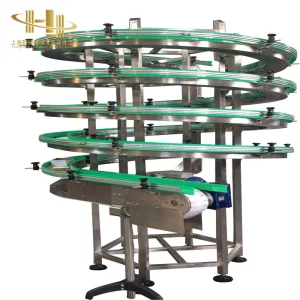
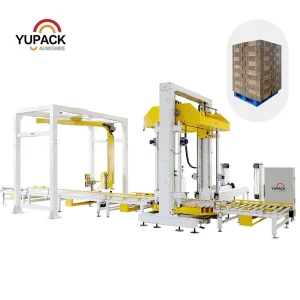
Understanding the transition from manual sorting to automated conveyor systems in developing Southeast Asian economies.
The Democratic Republic of Timor-Leste (East Timor) is positioned at a crucial juncture of industrial and logistical modernization. Historically dependent on agriculture and natural resources, the nation is actively diversifying its domestic economy. Crucial initiatives in food processing (particularly premium organic Arabica coffee), beverage production, FMCG manufacturing, and import-substitution operations are cropping up around the capital of Dili and the expanding industrial corridors of Tibar Bay.
As part of this shift, local companies and international operations established in Timor-Leste face a major operational hurdle: modernizing the packaging line. Traditional manual material handling methods are no longer sufficient to scale up with international export demands. Rising energy costs, import bottlenecks, and the urgent need to maintain strict sanitary standards for export markets are driving investments in Packaging Conveyor Line Systems. Moving goods from bagging stations to strapping, wrapping, and final palletizing zones requires highly reliable, energy-efficient, and structurally robust systems.
Adapting high-end Chinese automation technology to local manufacturing and logistical realities.
Tropical rain, dust, and high humidity can damage electronic components. Our conveyor systems incorporate dustproof and waterproof PLC housing, moisture-resistant photoelectric sensors, and sealed bearing blocks to ensure zero-maintenance operations.
Timor-Leste's regional power grids sometimes experience voltage fluctuations. Our system control boxes integrate high-efficiency VFDs (Variable Frequency Drives) and robust line reactors to stabilize motor performance and protect automation components from power surges.
Remote maintenance is simplified. Our conveyor tracks, roller cassettes, and drive stations feature bolt-on designs. Local technical personnel can swap components in minutes, reducing dependency on external service engineers.
Discover how integrated mechanical and software ecosystems streamline transit from the factory floor to the shipping container.
Why global manufacturing leaders look to Hangzhou Maith Conveyor Co., Ltd. for engineering integrity.
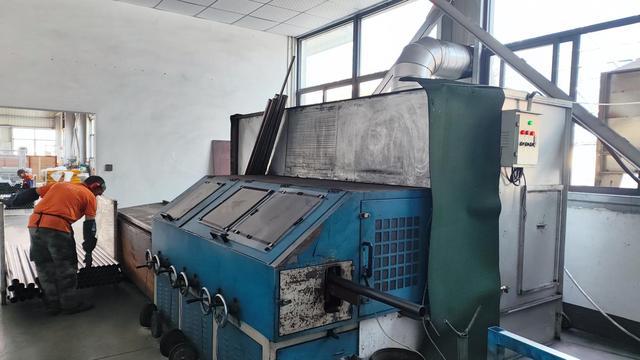
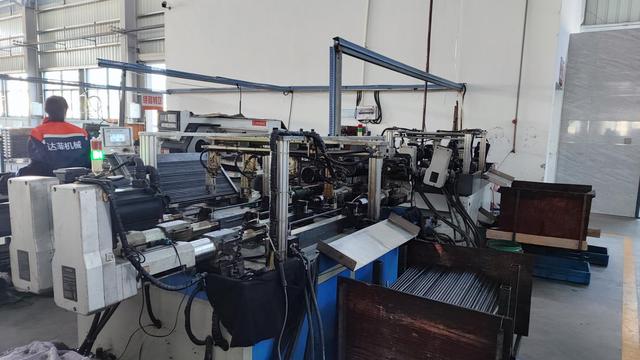
Hangzhou Maith Conveyor Co., Ltd. is a professional manufacturer specializing in warehouse conveyor systems, smart logistics automation equipment, and advanced material handling solutions for global distribution, manufacturing, and e-commerce industries. Established in 2013 and headquartered in Hangzhou, China, the company integrates research and development, system design, precision manufacturing, installation services, and international OEM/ODM support into a complete industrial automation ecosystem.
The company operates a modern production base covering approximately 30,000 square meters with more than 360 employees, including mechanical engineers, automation specialists, and software control experts. Equipped with advanced fabrication workshops, automated assembly lines, and rigorous quality inspection systems, Maith Conveyor ensures high performance, stability, and durability across all conveyor solutions. Annual production capacity exceeds 6,500 complete conveyor systems, serving clients in warehousing, logistics centers, airports, retail distribution hubs, manufacturing plants, and fulfillment operations worldwide.
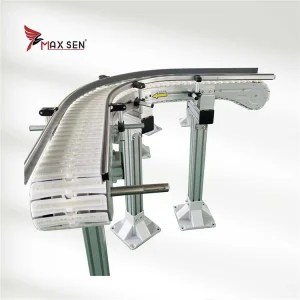
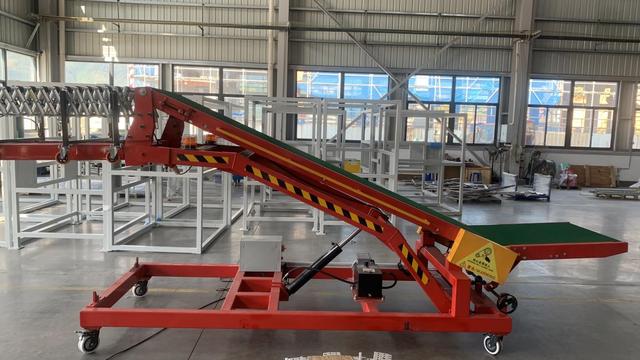
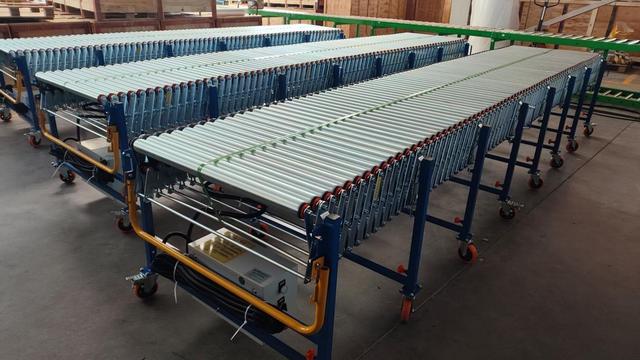
Maith Conveyor’s core product portfolio includes roller conveyor systems, belt conveyor lines, pallet handling systems, sorting conveyors, telescopic loading conveyors, gravity conveyor modules, and intelligent warehouse automation systems. By integrating PLC control systems, sensor-based tracking technology, AI-driven logistics optimization, and modular structural design, the company delivers efficient and scalable material flow solutions tailored to modern supply chain demands.
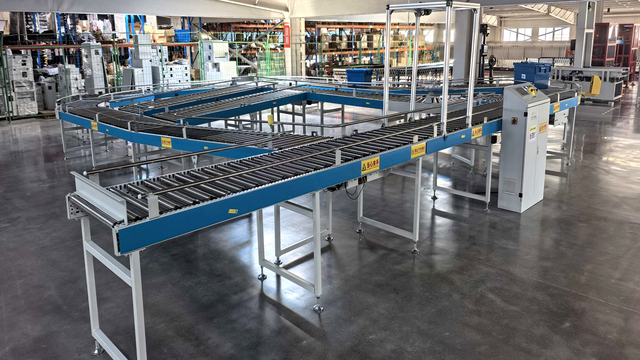
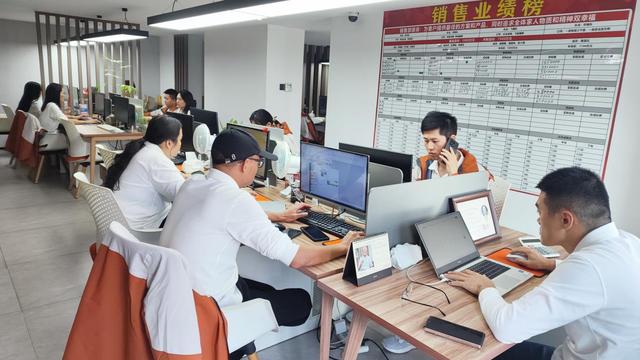
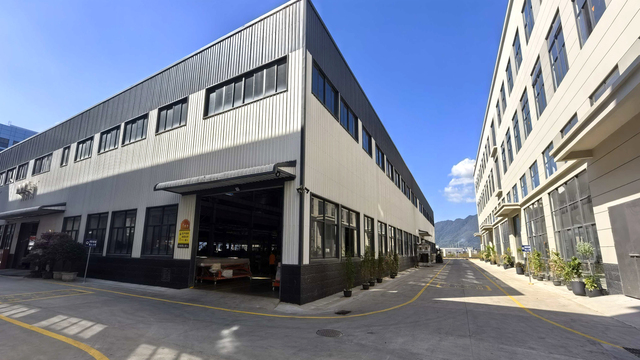
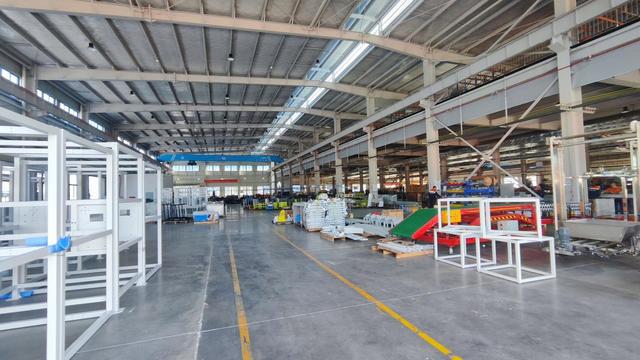
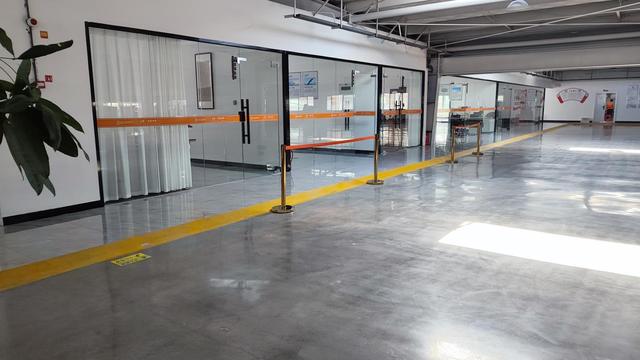
Optimizing material handling by bridging gaps between production, strapping, wrapping, and warehousing.
A true packaging conveyor system is not merely a sequence of rollers or belts; it is the nervous system of modern production. The core challenge in Timor-Leste's emerging industrial zones is the lack of system integration. Often, factories purchase a filler machine from one provider, a strapping machine from another, and manual loaders to manage the movement. This creates operational gaps, where physical bottlenecking, high cargo breakage rates, and labor inefficiencies stall operations.
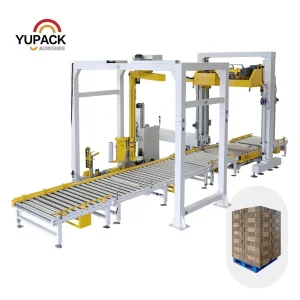
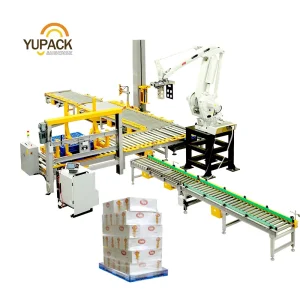
Hangzhou Maith solves this problem by delivering Turnkey Integrated Packaging Lines. Our custom engineering department designs systems that map the physical footprints of local processing plants. We seamlessly interface standard production machinery with specialized equipment like automatic strapping heads, robotic palletizers, stretch wrappers, and dimension-weighing-scanning (DWS) systems. Whether you run a bottled water factory in Ermera or a corrugated board facility in Dili, our systems maintain product spacing, handle dynamic weight fluctuations, and automate pallet flow.
Photoelectric Sensor Arrays: By positioning sensors at key junctions, our systems identify pack density, prevent box collisions, and regulate belt speed automatically. This drastically reduces mechanical wear and product damage.
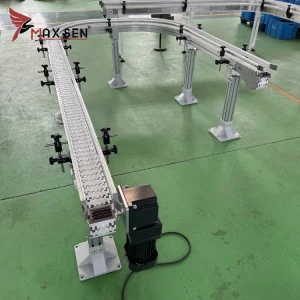
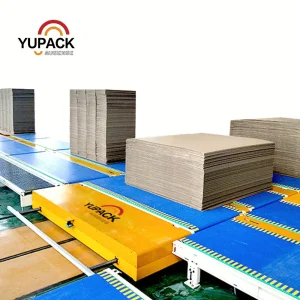
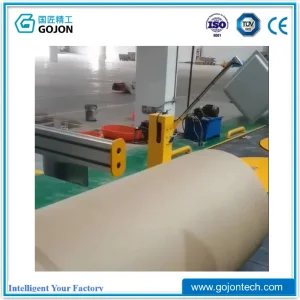
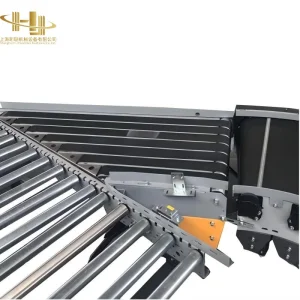
Heavy-Duty Board Chain Turntables: Designed specifically for thick paper rolls and heavy palletized goods, our chain turntables allow for continuous, 90-degree product redirection in tight manufacturing layouts without destabilizing the load.
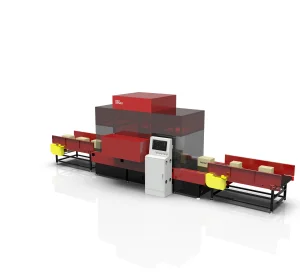
Integrated DWS (Dimensioning-Weighing-Scanning): Crucial for logistics and parcel operations, these units capture cargo data on the fly. This ensures accurate dispatch weights and speeds up container sorting before shipment from Tibar Bay Port.
Discover how integrated mechanical and software ecosystems streamline transit from the factory floor to the shipping container.
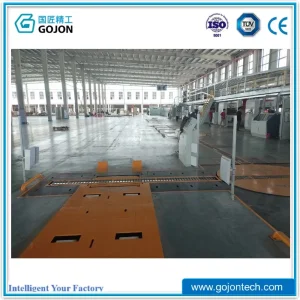
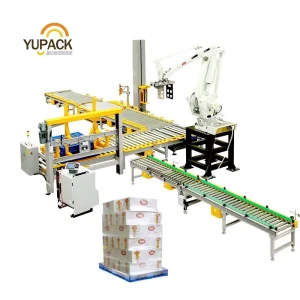
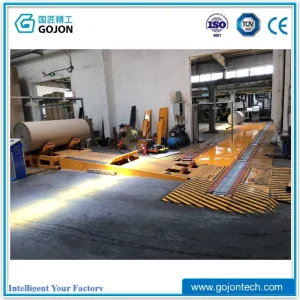
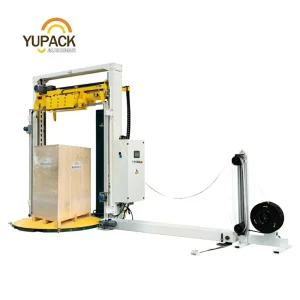
Leveraging smart features and structured deployment steps to secure high-ROI conveyor procurement.
Procuring heavy-duty material handling machinery for regions like Dili, Baucau, or Liquiçá requires a rigorous qualification process. Unlike developed industrial hubs with immediate access to local component suppliers, operations in East Timor must prioritize system reliability and compatibility. At Hangzhou Maith, we support global procurement managers and local facility heads by aligning with strict international frameworks.
Our engineering roadmap prioritizes compatibility with standard industry protocols. We use universally recognized electronic components (Siemens, Omron, Schneider, and SEW-Eurodrive), ensuring that local maintenance engineers can source generic parts if emergencies arise. Additionally, every system undergoes factory acceptance testing (FAT) at our 30,000-square-meter facility in China. We pre-assemble, wire, and execute diagnostic runs, capturing video records and technical telemetry to guarantee simple installation on-site in Timor-Leste.
Expert technical advice on shipping, installing, and running automated conveyor systems in Timor-Leste.
 Maith Conveyor