Engineered for high-throughput operational pipelines, delivering structural integrity and seamless multi-protocol ecosystem configuration.
South Korea stands at the global forefront of Fourth Industrial Revolution adoption. Driven by deep structural transformations across major industrial groups—including Samsung, LG, SK, and Hyundai—and catalyzed by the Ministry of SMEs and Startups (MSS) initiatives, the country is actively migrating towards fully autonomous smart manufacturing ecosystems.
The "Coupang Effect" has fundamentally reshaped user expectations in logistics, establishing same-day and early-morning delivery as the standard across major urban centers like Seoul, Incheon, and Busan. For fulfillment operators, this shift means traditional material handling frameworks are no longer sufficient. High industrial real estate costs in Gyeonggi province have driven a critical need for vertical space optimization and advanced, high-speed sorting technologies.
Concurrently, South Korea's leadership in the global electric vehicle (EV) battery sector has created highly stringent technical requirements for manufacturing lines. Facilities located across major production corridors require exceptionally clean, vibration-free, and precise transport matrices to safely handle delicate lithium-ion pouch and cylindrical cells through hazardous electrolyte filling zones and long formation cycles.
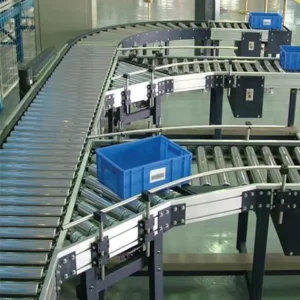
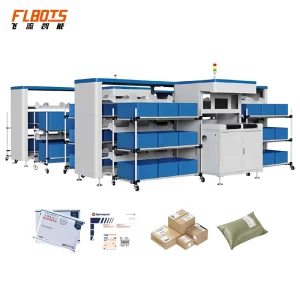
Leveraging deep multi-tier routing matrices to maximize throughput per square meter in premium metropolitan hubs.
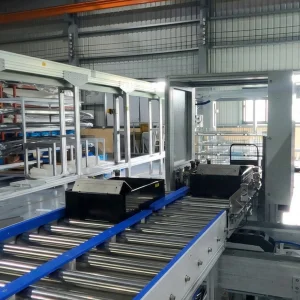
Zero-vibration configurations designed to execute precise transfer procedures within dry rooms and explosion-proof environments.
Deep AI-vision multi-camera processing setups that identify, track, and route parcels with continuous throughput stability.
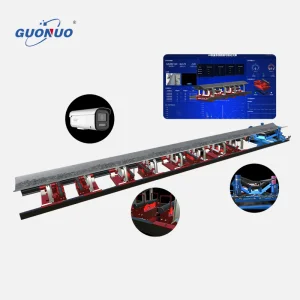
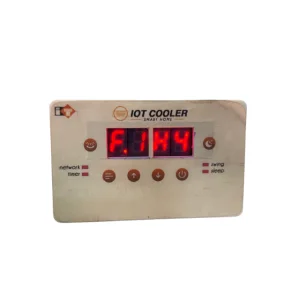
Continuous thermal and acoustic telemetry monitoring that effectively eliminates unexpected operational downtime across primary sorters.
Bridging elite machine intelligence with durable mechanical architectures since 2013.
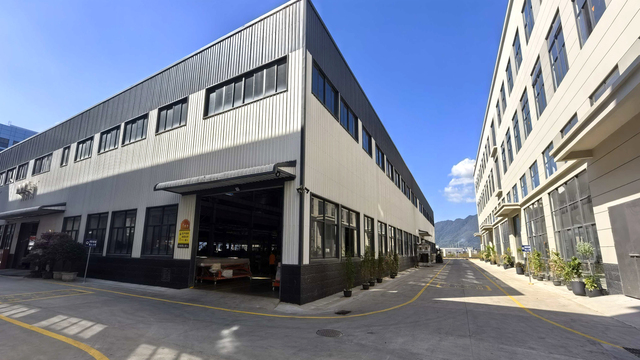
Hangzhou Maith Conveyor Co., Ltd. is a professional manufacturer specializing in warehouse conveyor systems, smart logistics automation equipment, and advanced material handling solutions for global distribution, manufacturing, and e-commerce industries. Established in 2013 and headquartered in the high-tech hub of Hangzhou, China, the company integrates research and development, system design, precision manufacturing, installation services, and international OEM/ODM support into a complete industrial automation ecosystem.
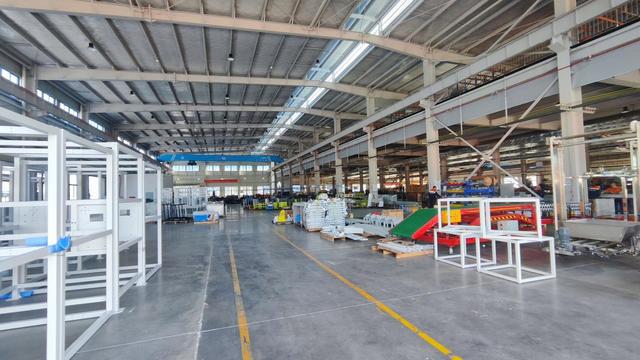
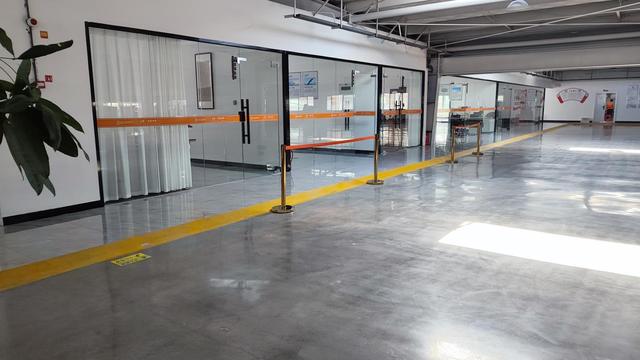
The company operates a modern production base covering approximately 30,000 square meters with more than 360 employees, including mechanical engineers, automation specialists, and software control experts. Equipped with advanced fabrication workshops, automated assembly lines, and rigorous quality inspection systems, Maith Conveyor ensures high performance, stability, and durability across all conveyor solutions. Annual production capacity exceeds 6,500 complete conveyor systems, serving clients in warehousing, logistics centers, airports, retail distribution hubs, manufacturing plants, and fulfillment operations worldwide.
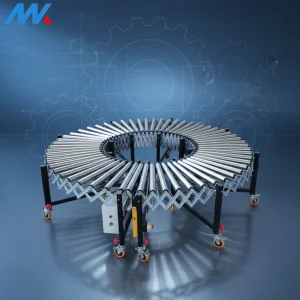
Maith Conveyor’s core product portfolio includes roller conveyor systems, belt conveyor lines, pallet handling systems, sorting conveyors, telescopic loading conveyors, gravity conveyor modules, and intelligent warehouse automation systems. By integrating PLC control systems, sensor-based tracking technology, AI-driven logistics optimization, and modular structural design, the company delivers efficient and scalable material flow solutions tailored to modern supply chain demands.
Driven by continuous innovation and smart logistics development, Hangzhou Maith Conveyor Co., Ltd. is committed to improving warehouse productivity, reducing operational costs, and enhancing automation efficiency. The company provides customized engineering solutions, flexible system integration, and reliable after-sales support, building long-term partnerships with global customers in the rapidly evolving logistics and automation industry.
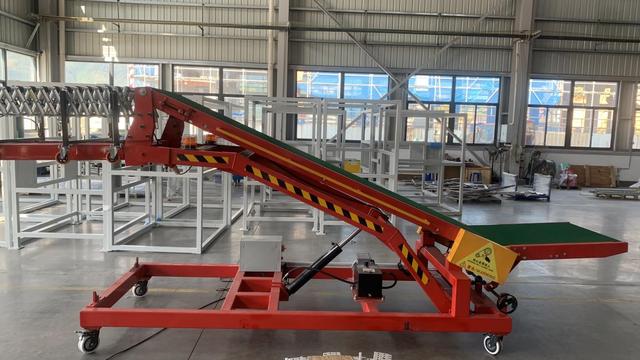
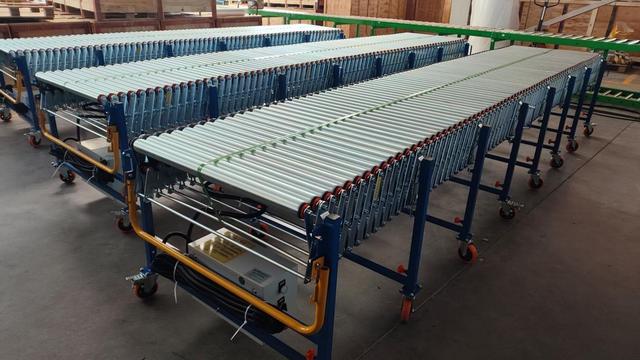
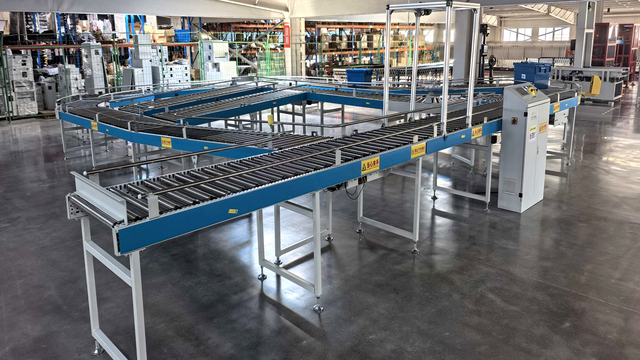
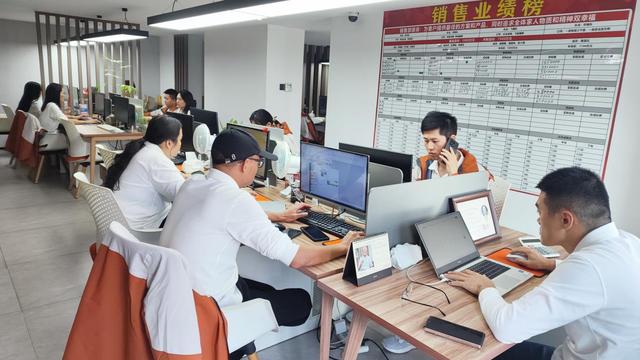
Deploying application-specific intelligence matrices optimized for local operational standards and vertical compliance structures.
Delivering high-capacity, particulate-free transport architectures tailored for gigafactories in Cheongju and Ulsan. Integrates zero-chafing magnetic tracks and specialized cleanroom profiles to support stable continuous operation.
AI Vacuum ConveyorsDeploying food-grade stainless steel routing frameworks engineered for sub-zero processing facilities across Gyeonggi-do. Provides consistent reliability under extreme thermal fluctuations.
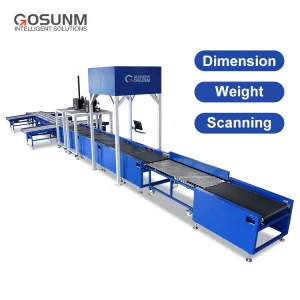
Eco Sorting ModulesProviding integrated counting and precision metrology arrays designed for major electronics manufacturing assemblies. Features real-time multi-angle machine vision to verify unit tracking profiles.
Visual Counting ArraysFor large-scale mineral processing, bulk chem transport, and automotive recycling facilities, we offer industrial-grade bulk scale solutions. The AI Conveyor Belt Scale Weighing System with Automatic Online Verification Function supports capacities from 1 to 8,000 t/h with a precision tolerance of 0.125%. This high accuracy allows heavy industrial processing lines to maintain rigorous cost controls and inventory management without interrupting continuous throughput.
Exporting complex automation architectures into South Korea requires meticulous engineering alignment with local regulatory bodies. At Maith Conveyor, we handle compliance as a primary engineering milestone, ensuring seamless deployment and integration into your facility.
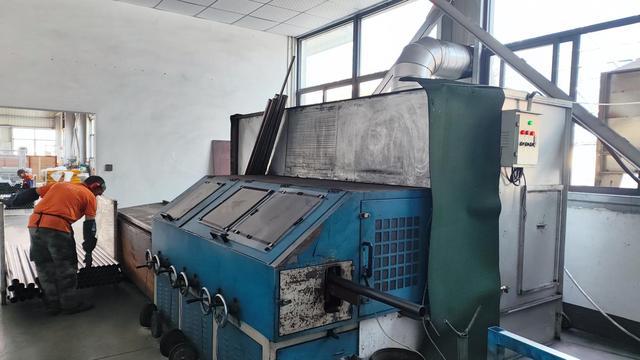
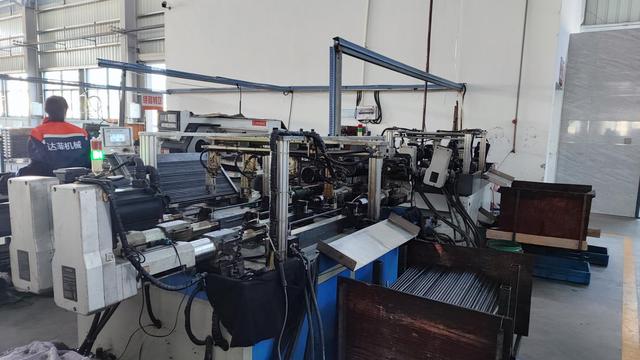
Our manufacturing facility in Hangzhou utilizes advanced high-precision fabrication equipment, including high-speed laser cutting cells, multi-axis CNC bending systems, and automated robotic welding stations, to maintain tight tolerances and ensure structural longevity.
Located near the deep-water ports of Ningbo and Shanghai, we offer highly optimized shipping pathways to Busan Port. This strategic location enables fast transit times, predictable delivery schedules, and minimized overland freight costs for our South Korean partners.
Architected for deep API compatibility with modern Warehouse Management Systems (WMS) and High-Availability PLC infrastructure topologies.
Global procurement teams managing high-volume operations focus heavily on interoperability, data visibility, and low total cost of ownership (TCO). Modern conveyor networks are no longer just mechanical transport systems; they serve as critical data collection nodes within smart factory layouts. Our control systems support open industrial communication standards—including EtherCAT, PROFINET, and EtherNet/IP—allowing seamless integration with existing Warehouse Control Systems (WCS) and higher-level ERP platforms.
By capturing real-time electrical draw, motor temperatures, and belt tracking deviations, our integrated AI algorithms predict mechanical wear before components fail. This data-driven approach shifts maintenance workflows from a reactive model to a scheduled, preventive system, optimizing operational uptime for high-demand facilities.
Answering key engineering, compliance, and logistical questions for international procurement teams.
We build our electrical panels, control switches, and motor systems using components certified to KC (Korea Certification) standards. Structural frames are engineered to comply with KOSHA safety guidelines, incorporating necessary safety shielding, standardized E-stops, and secure access gates to ensure compliance during facility inspections.
Our automation frameworks natively support major industrial communication protocols, including EtherCAT, PROFINET, Modbus TCP, and EtherNet/IP. This allows our conveyor systems to integrate directly with existing PLCs (such as Siemens, Mitsubishi, or Omron) and exchange real-time routing and tracking data with your facility's WCS or WMS software.
Leveraging our facility's proximity to the ports of Ningbo and Shanghai, standard sea freight transit to Busan Port generally ranges from 3 to 5 days. For time-critical projects, we can arrange expedited customs clearance and direct container shipping to ensure predictable delivery schedules to your site.
Our integrated control systems track real-time telemetry metrics, including motor temperature, current draw, vibration profiles, and belt alignment data. By analyzing these operational baselines, our software can detect early signs of component wear, allowing your maintenance teams to schedule service during planned downtime and minimize unexpected operational disruptions.
Yes, all human-machine interfaces (HMIs) and touch control panels can be delivered with fully localized Korean text and layouts. This includes system readouts, alarm notifications, maintenance checklists, and step-by-step diagnostic workflows to support your on-site operations team.
 Maith Conveyor