Explore our key custom-engineered material handling equipment, precision-fabricated at our ISO-certified facilities in China.
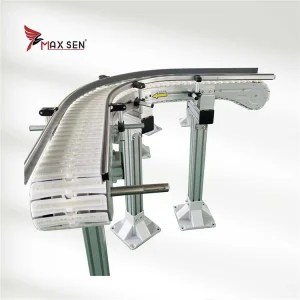
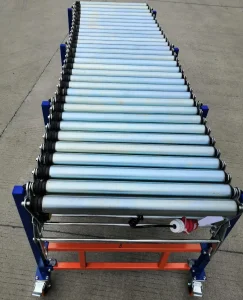
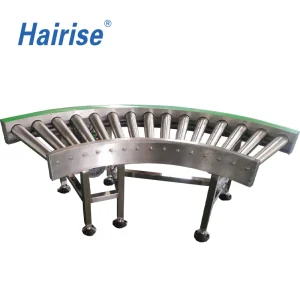
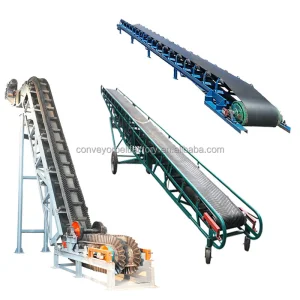
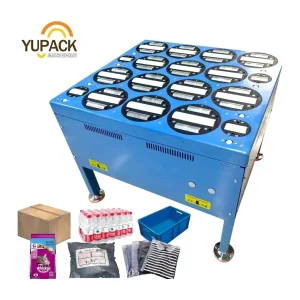
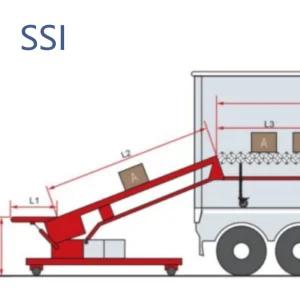
In modern automated logistics and high-precision manufacturing, material handling efficiency is directly tied to line throughput. Direct Transfer Conveyors represent a pinnacle of sorting, routing, and directional transition technology. Unlike conventional gravity chutes or passive transition plates that can cause item misalignment, structural damage, or bottlenecking, direct transfer machinery guarantees smooth, active multi-directional handling. These systems form the backbone of modern package routing, food manufacturing, and heavy-payload industrial assembly lines.
Today's smart logistics lines depend on instant, microsecond-level lateral sorting. The transition zones are optimized to maintain orientation, eliminate collisions, and stabilize delicate components—such as EV battery cells, automotive sub-assemblies, and pharmaceutical trays.
Understanding the internal dynamics of direct transfer machinery is crucial for design engineers. Most modular lines utilize either a Right-Angle Pop-Up Transfer (RAPT) or an Active Roller Belt (ARB) mechanism. Pop-up designs utilize multiple powered belts or pneumatic rollers that lift slightly above the main conveying level to drive packages at a 90-degree angle. ARB technology uses angled rollers embedded within the modular belt structure, enabling oblique or lateral sorting without using mechanical pusher arms. This substantially decreases physical impact forces, lowering product damage rates to near zero.
Headquartered in Hangzhou, China, Hangzhou Maith Conveyor Co., Ltd. has established itself as an authoritative leader in smart logistics automation equipment. Since 2013, the company has grown into a comprehensive global supplier, integrating advanced research and development, custom system design, precision CNC manufacturing, and global installation support. Our 30,000-square-meter facility features automated laser-cutting blocks, structural welding bays, and quality-testing centers designed to meet the strict standards required by clients worldwide.
With an engineering division containing automation specialists, electrical controls engineers, and mechanical structural experts, Maith supports large-scale global OEM/ODM contracts. We produce more than 6,500 turnkey conveyor units each year, helping distributions centers, food assembly factories, airports, and retail hubs optimize their material flows.
How direct transfer and automated conveyor technology solves production challenges across key global industry verticals.
High-volume distribution centers require rapid, high-speed sorting. Our systems merge dynamic dimensioning, weighing, and scanning (DWS) frameworks with intelligent pivot sorters and flexible roller conveyors. This architecture minimizes bottle-necks and streamlines operations from terminal docking directly to shipping vehicles.
Battery cell lines require ultra-clean environments, zero electrostatic discharge (ESD) interference, and precise product routing. Our high-load, modular belt conveyor designs integrate automated PLC controllers, positioning sensors, and low-friction wear surfaces to safely manage sensitive components.
Designed to comply with rigorous FDA and CE standards, our stainless steel flexible chain and modular belt conveyors withstand clean-in-place (CIP) operations. We provide reliable corrosion resistance and smooth transitions, making them ideal for high-speed beverage packaging and food filling operations.
The global material handling industry is undergoing a digital transformation. Simple mechanical transportation is no longer enough; industrial automation demands self-diagnosing, predictive, and energy-efficient conveying systems. As a leading manufacturer in China, Hangzhou Maith Conveyor Co., Ltd. actively researches several emerging technologies:
By shifting intelligence from a centralized main PLC to distributed edge controllers on individual conveyor modules, we enable real-time sorting adjustments. Direct transfer systems can now detect backpressure, recognize irregular product footprints, and autonomously adjust routing speed. This modular control approach reduces mechanical strain and prevents line jams before they occur.
Sustainability is a core focus for modern distribution centers. Traditional induction motors are being replaced with Permanent Magnet Synchronous Motors (PMSM) and integrated variable frequency drives (VFDs). In large installations, these direct-drive technologies can cut electricity use by 30% compared to legacy setups. They also deliver high torque at low speeds, which is ideal for starting heavy loads on inclined or vertical spiral conveyor sections.
Deploying IO-Link sensors across wear surfaces allows real-time monitoring of belt tension, temperature spikes in motorized rollers, and structural vibrations. This enables operators to transition from reactive repairs to predictive maintenance schedules, cutting unscheduled downtime by up to 45%.
Modern layouts are increasingly dynamic. Rather than relying on fixed-path layouts, factories now combine stationary direct transfer conveyors with Autonomous Mobile Robots (AMRs). At the end of a transfer line, automated alignment sensors guide the docking process, transferring pallets or totes to mobile robot fleets without human intervention.
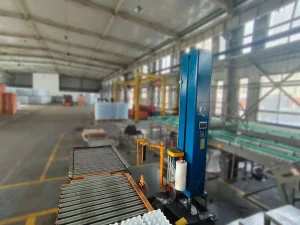
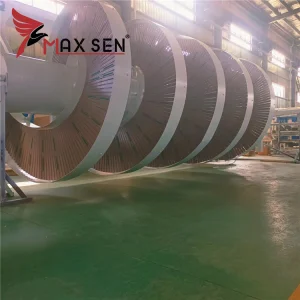
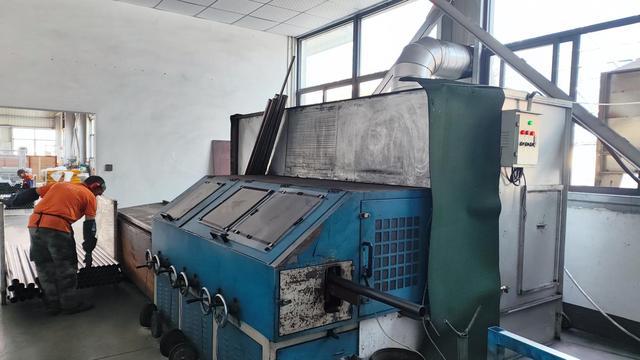
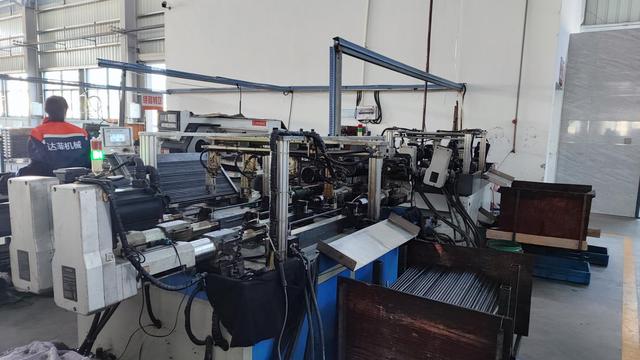
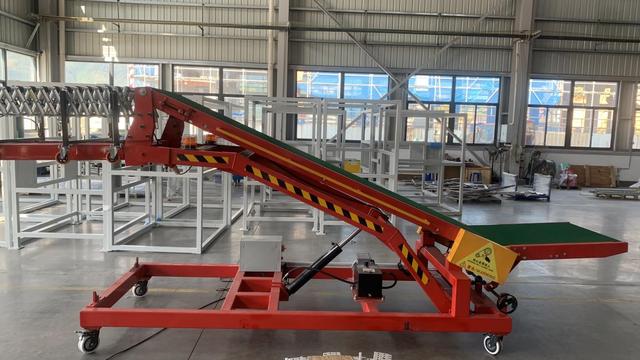
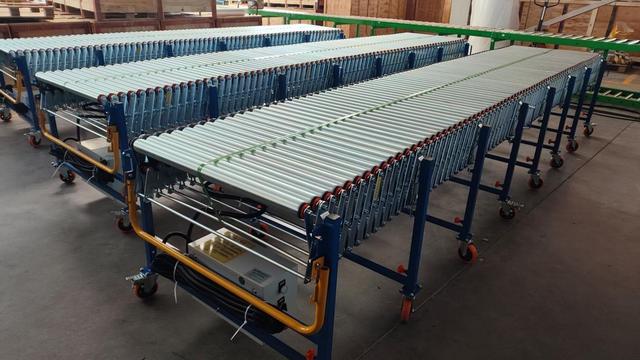
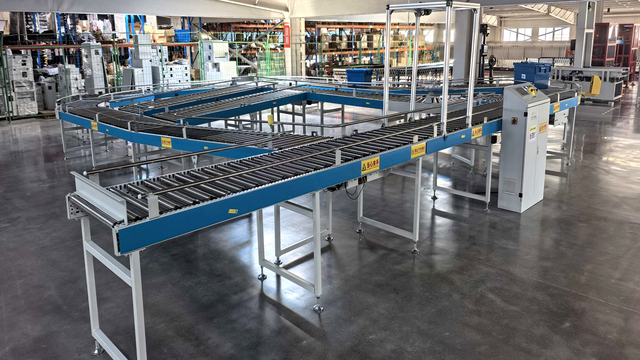
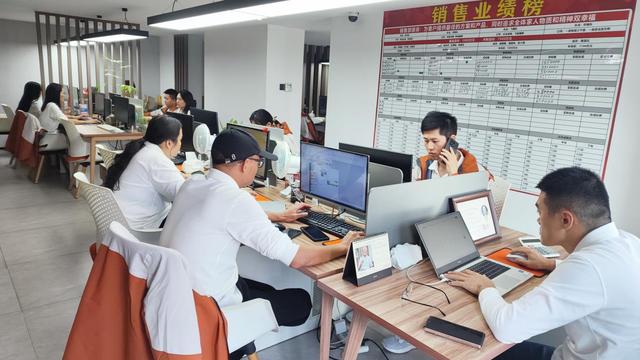
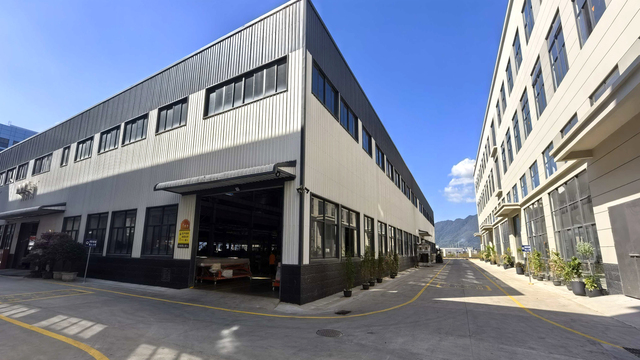
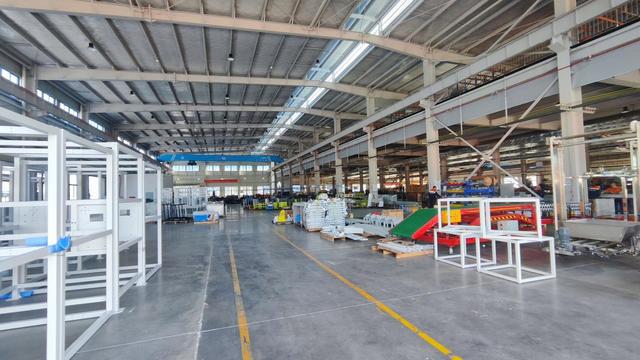
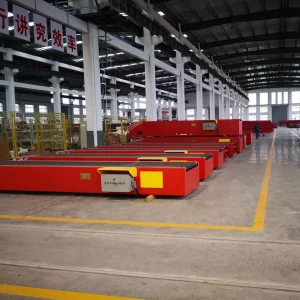
A look inside Hangzhou Maith Conveyor's 30,000-square-meter facility, showing where our systems are engineered, constructed, and tested.
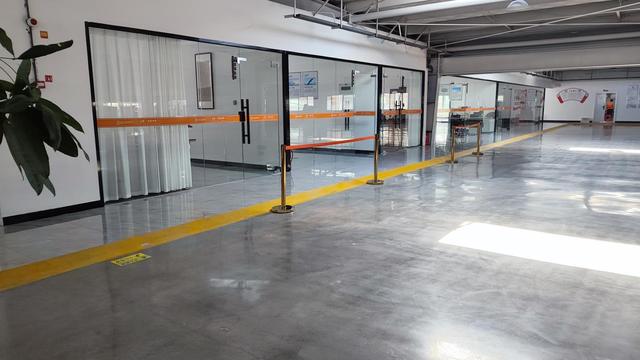
Insights from our application engineers on selecting, installing, and maintaining advanced transfer conveyor systems.
Pop-up transfer systems mechanically lift a secondary set of rollers or belts to divert products at 90-degree angles. This is highly effective for standard boxes but requires a brief pause or gap in flow. Active Roller Belt (ARB) systems embed angled rollers directly within the belt, allowing continuous sorting and orientation changes without lifting mechanisms or stops. This makes ARB ideal for high-speed, continuous-flow operations.
For sensitive components like EV battery cells, we build conveyors with specialized anti-static materials (ESD-safe plastics), anodized aluminum structures, and brushless DC motors. Precision sensors and PLC programming prevent product-on-product contact, protecting delicate surfaces and components from impact or electrical damage.
Our entire engineering and production process is certified to ISO 9001 quality management standards. Depending on project requirements, we supply systems with CE marks for European compliance and FDA-compliant materials for food contact surfaces, ensuring smooth integration into regulated manufacturing facilities.
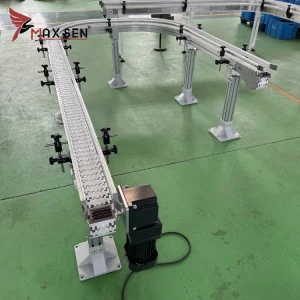
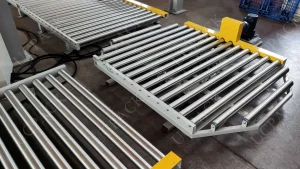
Yes, modular customization is a core part of our business. We design and build space-saving configurations like spiral conveyors, space-efficient 90-degree turning rollers, and telescopic systems that adapt to existing building constraints while maintaining optimal material flow.
Explore more of our advanced heavy-duty and precision-engineered material handling solutions designed for global industries.
 Maith Conveyor