Industry-leading smart equipment engineered for high-throughput fulfillment centers.
The global logistics landscape is undergoing a seismic shift. As e-commerce penetration reaches new heights, the demand for Smart Packaging Solutions has transcended traditional storage. Today, "smart" implies an integrated ecosystem where conveyors, sensors, AI, and RFID work in unison to eliminate bottlenecks. The factories listed in this report are not mere manufacturers; they are architects of Logistics 4.0.
Advanced exporters are now utilizing Digital Twin technology to simulate warehouse flows before a single conveyor is installed, reducing operational risks by up to 40%.
Integrating RFID and Machine Vision into packaging lines ensures 99.9% accuracy in parcel sorting, a critical KPI for global e-commerce giants.
Energy-efficient motors and recyclable modular plastic belts are becoming the standard for top-tier exporters aiming for carbon neutrality.
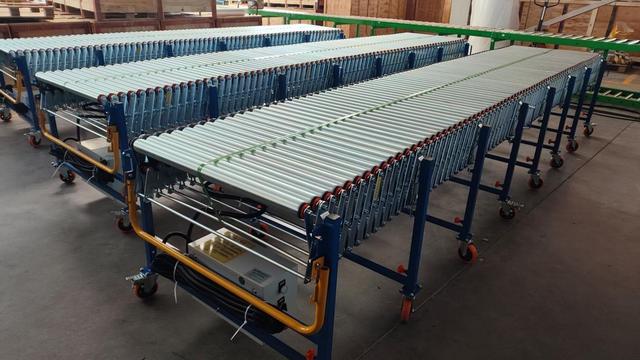
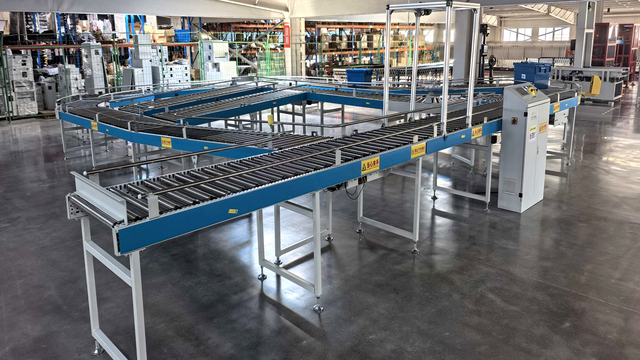
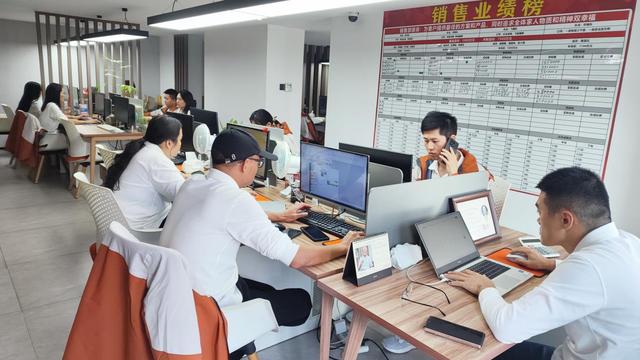
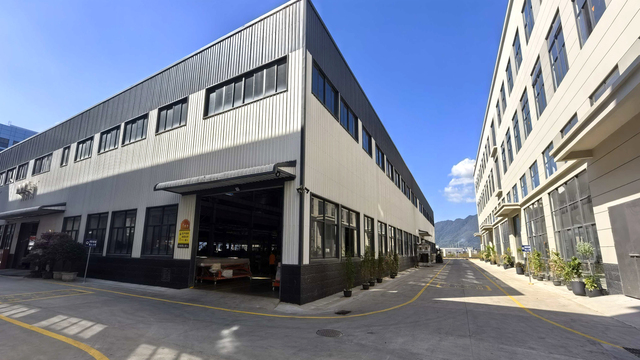
Established in 2013 and headquartered in the tech-hub of Hangzhou, China, Hangzhou Maith Conveyor Co., Ltd. stands as a paragon of industrial excellence. Specializing in warehouse conveyor systems and smart logistics automation, Maith integrates R&D, system design, and precision manufacturing into a singular, high-performance ecosystem.
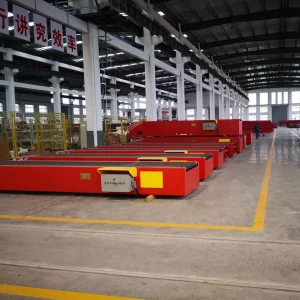
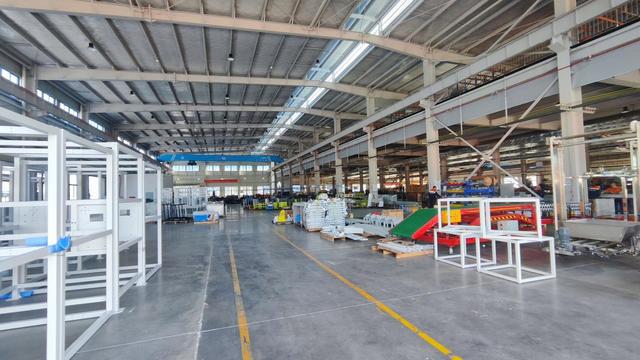
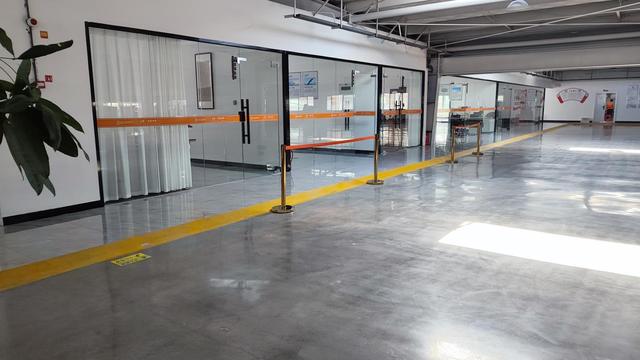
With a 30,000 square meter production base and over 360 specialists, the company produces upwards of 6,500 complete systems annually. Their commitment to E-E-A-T principles is evident in their rigorous quality inspection protocols and their global footprint across airports, retail distribution hubs, and manufacturing plants.
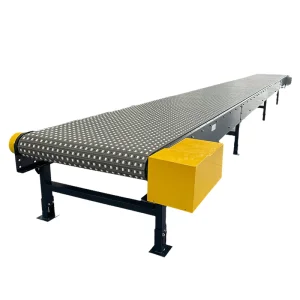
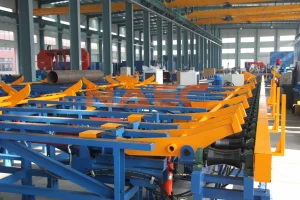
Moving away from fixed structures to "Plug-and-Play" conveyor modules. This allows factories to scale their throughput capacity within days rather than months.
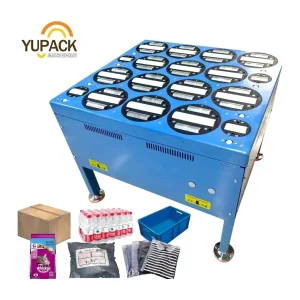
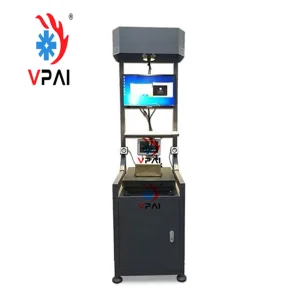
Sensors no longer just detect presence; they analyze weight, dimensions (DWS), and fragility in real-time to adjust sorting speed and destination dynamically.
Predictive maintenance powered by IoT sensors. Systems that alert operators 48 hours before a component failure, ensuring zero downtime.
"The transition from automated to 'autonomous' is the next frontier for the top 10 exporters in China."
The "China Advantage" has shifted from labor arbitrage to technological depth and supply chain resilience. Factories like Maith Conveyor benefit from a dense ecosystem of raw material suppliers, chip manufacturers, and logistics experts all located within a 200km radius.
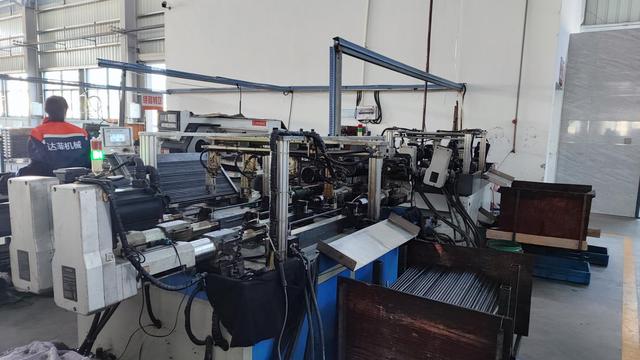
This proximity allows for rapid OEM/ODM prototyping. While a European or US manufacturer might take 6 months for a custom sorting solution, Chinese Tier-1 exporters can deliver a fully tested, PLC-integrated system in 8-12 weeks. This efficiency is bolstered by "Smart Factory" initiatives where the production lines themselves are automated, ensuring millimeter-level precision in every roller and belt.
Global enterprises are increasingly looking to China not just for cost, but for Scalability. When a global retailer needs to kit out 50 warehouses simultaneously, only a handful of factories globally have the production bandwidth to maintain quality across such volume.
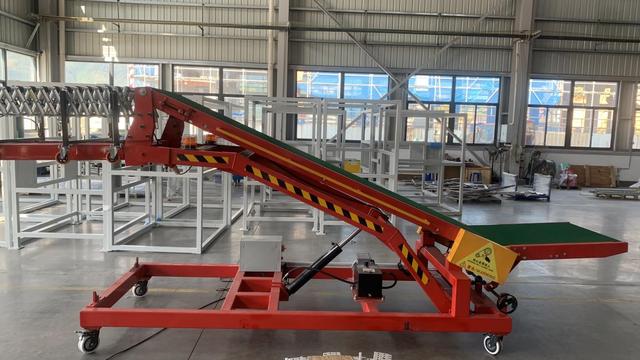
Top exporters ensure all electrical and mechanical components meet European (CE) and North American (UL/CSA) safety standards.
Leading factories provide flying squads of engineers for international installation, ensuring local staff are trained for maintenance.
PLC interfaces (HMI) are programmed in multiple languages, making the "Smart" equipment accessible to global workforces.
What Enterprise Buyers must prioritize when selecting a Smart Packaging partner.
 Maith Conveyor