Explore our premium selection of CE-certified gravity and powered conveyor modules designed for high throughput.
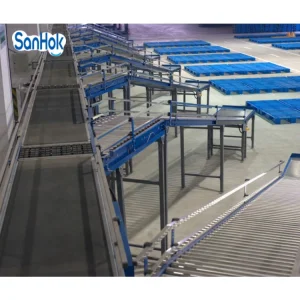
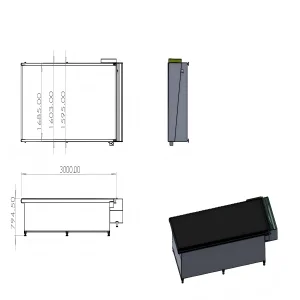
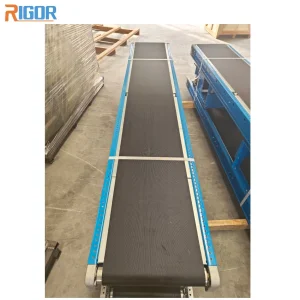
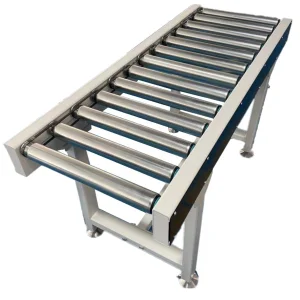

In an era defined by aggressive decarbonization mandates, spiraling energy costs, and razor-thin operational margins, industrial material handling has shifted from active, power-hungry mechanisms toward kinematic optimization. At the epicenter of this structural revolution is the humble yet highly engineered Gravity Conveyor. Far from a passive set of rollers, modern gravity systems represent a sophisticated marriage of mechanical physics, metallurgy, and ergonomics. By utilizing gravitational potential energy, these systems achieve massive horizontal transport efficiency with zero direct power consumption, offering a key tool for achieving high structural efficiency.
For supply chain managers, warehouse directors, and industrial architects, the implementation of CE-certified gravity conveyor modules is a foundational requirement. CE compliance guarantees alignment with Europe’s stringent Machinery Directive 2006/42/EC, ensuring that the system possesses mechanical integrity, zero-shear hazards, and low sound-power emission levels. As a leading hub of manufacturing innovation, the Chinese industrial cluster—led by industry leaders like Hangzhou Maith Conveyor Co., Ltd.—has redefined gravity conveyor execution by introducing structural innovations, smart damping, and flexible configurations that cater to the global market.
"The modern gravity conveyor represents a zero-emission mechanical solution. When engineered correctly with exact slope-declination control and high-precision precision bearings, it achieves structural throughput numbers that rival powered conveyors, at a fraction of the total cost of ownership (TCO)."
Integrating advanced R&D, precision structural assembly, and robust international support into a comprehensive automation ecosystem.
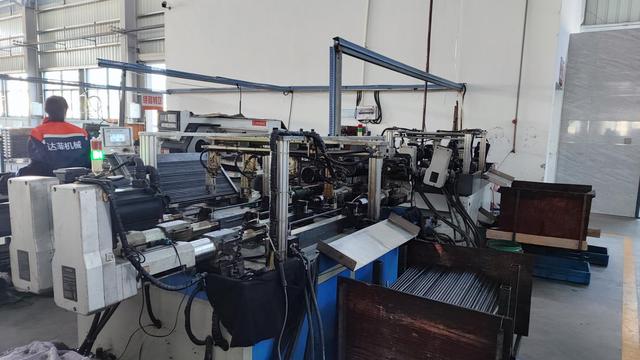
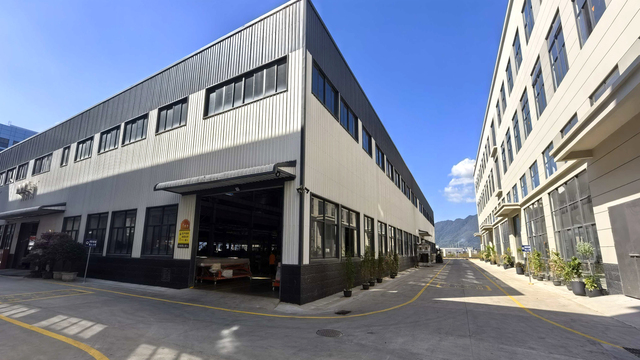
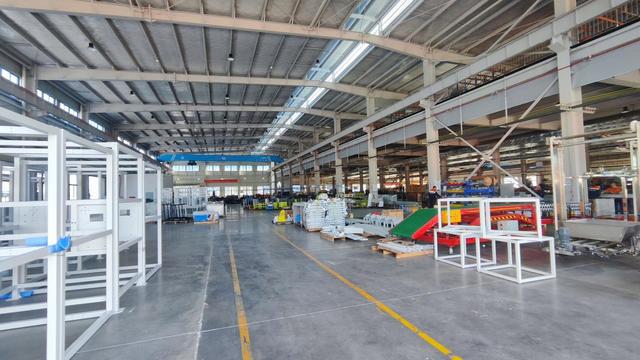
Founded in 2013 and headquartered in the high-tech logistics cluster of Hangzhou, China, Hangzhou Maith Conveyor Co., Ltd. has grown to become a cornerstone OEM/ODM supplier of material handling technology. Our production footprint spans over 30,000 square meters of state-of-the-art workshops equipped with automatic laser-profiling centers, CNC bending arrays, robotic welding workstations, and standardized testing bays.
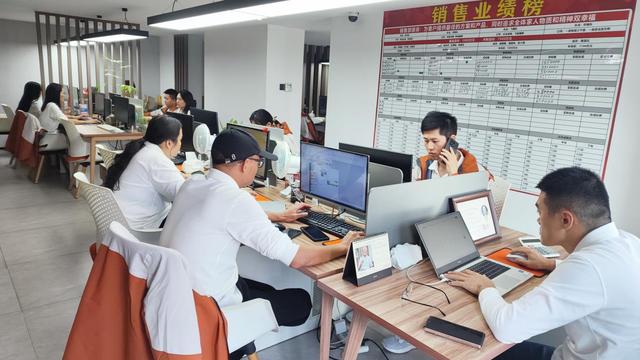
With a dedicated team of more than 360 highly skilled mechanical engineers, software systems specialists, and international quality management professionals, we design, test, and manufacture complex conveyor networks that comply with strict international regulatory bodies. Backed by an annual production capacity exceeding 6,500 complete conveyor lines, Maith supplies major distribution centers, airport logistics networks, chemical and pharmaceutical cleanrooms, and e-commerce sorting hubs globally.
Understanding the mechanical nuances that separate heavy-duty industrial builds from cheap, generic frameworks.
A gravity roller conveyor relies on rolling resistance minimization to transfer goods. Achieving this requires precise engineering across every component. Below is a breakdown of the design architecture used at Hangzhou Maith:
| Component | Standard Specification (Maith) | Industrial Benefit / Engineering Advantage |
|---|---|---|
| Roller Metallurgy | SUS304 Stainless Steel / Carbon Steel (Zinc-Plated > 12μm) | High corrosion resistance, prevents structural oxidation, and increases surface life. |
| Wall Thickness | 1.5mm / 2.0mm / 3.0mm (Heavy Duty) | Eliminates structural deflection under heavy point loads (e.g. 1000kg pallets). |
| Bearing Class | Precision ABEC-5 (6001-2RS / 6202-2RS) with double-shielding | Minimizes mechanical drag coefficient, reduces system noise to < 65dB, and prevents particulate ingress. |
| Frame Profile | Cold-formed C-Channel (90mm x 30mm x 3mm / 120mm x 40mm x 4mm) | Provides high structural rigidity, prevents frame twisting, and integrates mounting slots. |
| Axle Geometry | Spring-loaded hex shafts (12mm / 15mm / 20mm) in high-carbon steel | Ensures fast assembly/disassembly, locks within the frame to eliminate rotation, and resists shear forces. |
In a gravity-fed material handling line, the Roller Pitch (the center-to-center distance between adjacent rollers) is dictated by the dimensions of the smallest conveyable unit. In order to guarantee smooth transport without bucking or falling through, a fundamental rule of engineering is:
Consequently, for a box with a length ($L$) of 300mm, the maximum roller pitch ($P$) must not exceed 100mm. The Decline Slope is mathematically determined based on the friction coefficient ($\mu$) of the product packaging (cardboard, plastic tote, wood) and the total mass ($m$). Typically, a decline angle of $1.5^\circ$ to $4.0^\circ$ is designed to achieve reliable movement without runaway velocity, which could damage fragile goods or cause impact hazards at discharge points.
How different global industrial markets utilize gravity conveyors to optimize cross-docking, sortation, and assembly.
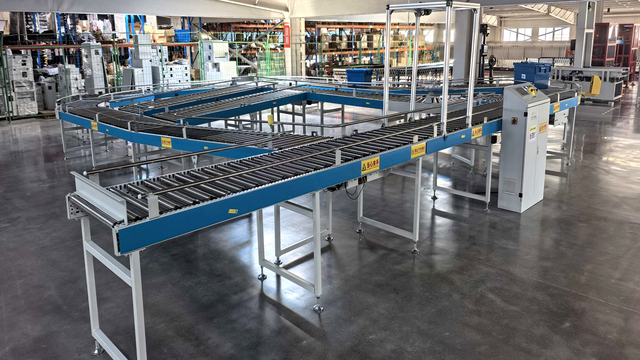
In Western Europe and North America, e-commerce giants use modular gravity spurs at picking and packing stations. After packers tape the corrugated boxes, they push them down a slight slope toward the main collection line, requiring no electrical integration.
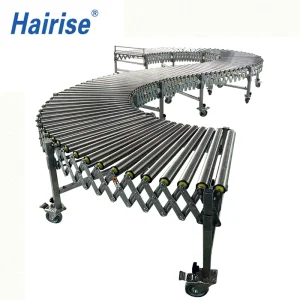
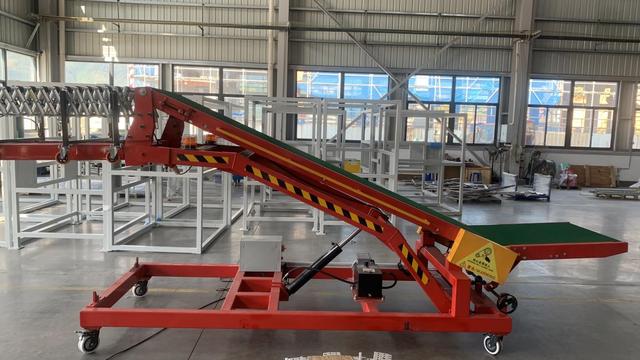
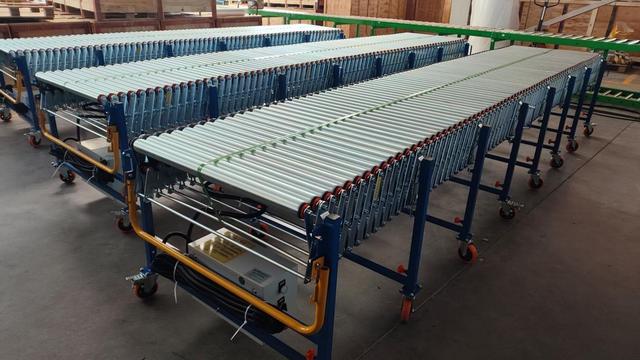
Using flexible, expandable skate-wheel gravity systems, operators can stretch the conveyor directly inside truck trailers. This setup allows logistics centers in ports and manufacturing hubs to reduce unloading times by up to 50%.
Heavy-duty gravity lines serve as buffer accumulation zones in furniture and automotive parts manufacturing, allowing massive structures to dwell safely between processing stations without consuming active electrical energy.
When global procurement managers seek dependable gravity conveyor suppliers, they focus heavily on Supply Chain Resilience, Customization Capability, and Capital Efficiency. The Chinese industrial manufacturing sector—particularly concentrated in the Yangtze River Delta near Hangzhou—offers unparalleled advantages.
The primary advantage lies in the density of our local supply chain. At Hangzhou Maith, we procure certified steel, precision bearings, and custom tooling directly from regional metallurgical hubs. This geographical advantage eliminates international supply chain disruptions and keeps material costs highly competitive. We pass these savings directly to our global clients through competitive pricing and accelerated R&D cycles.
Additionally, our advanced manufacturing capabilities support comprehensive OEM/ODM customization. Whether your project requires non-standard frame lengths, specialized dynamic anti-rollback brakes, or chemical-resistant stainless steel rollers for pharmaceutical cleanrooms, our engineers can prototype and produce custom solutions in a fraction of the time required by Western manufacturers.
Where engineering is headed: Intelligent hybrid sorting, eco-conscious materials, and IoT predictive maintenance.
Integration of internal magnetic centrifugal brake rollers to control the flow velocity of heavy loads down gravity ramps, preventing impact damage without using external electricity.
Designing gravity runs with integrated photoelectric sensors and pneumatically powered pop-up diverter rollers, bridging the gap between passive gravity zones and active sortation.
Demanding complete material traceability, raw steel certifications, and verifiable European standard testing to ensure supply chains align with global compliance requirements.
Verify these critical technical details before placing high-volume industrial conveyor orders.
Deep solutions and industry specifications regarding gravity-fed conveyor selection and structural deployment.
Our secondary range of high-efficiency conveying networks and automated logistics solutions.
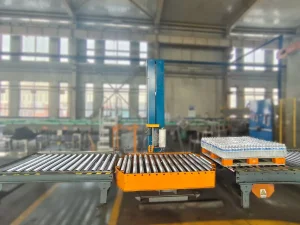
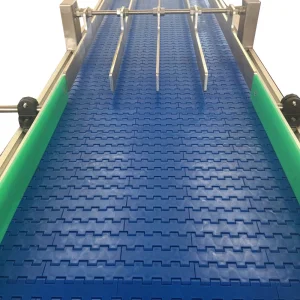
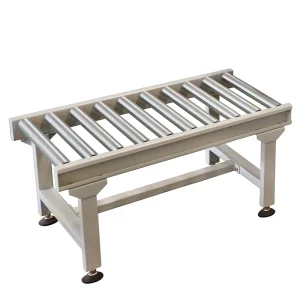
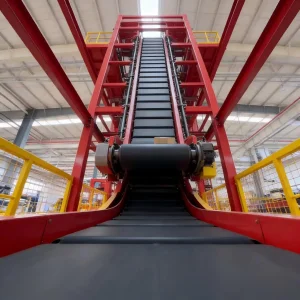
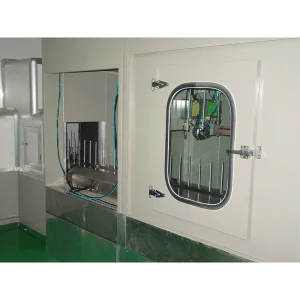
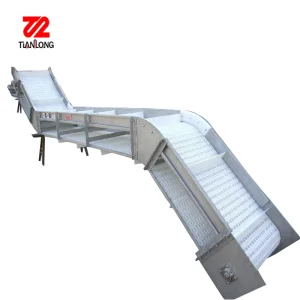
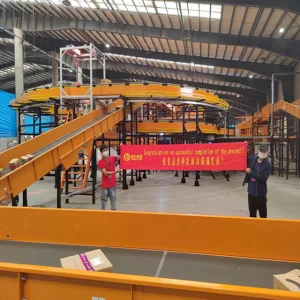
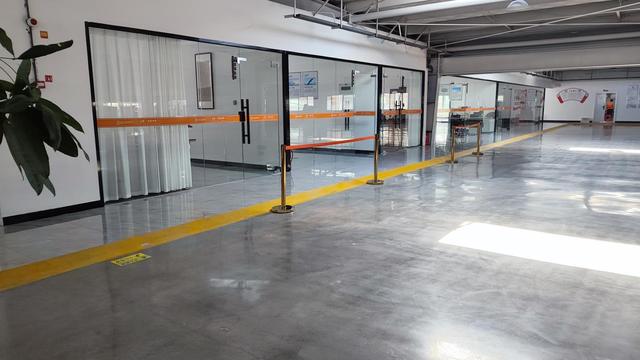
Our manufacturing processes, modern standard assemblies, testing bays, and warehouse centers.
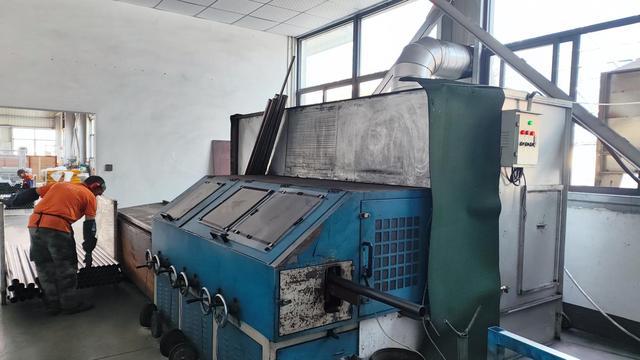
 Maith Conveyor