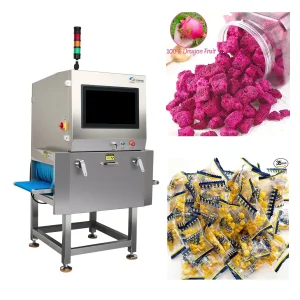
Stainless Steel Food-Grade Belt Conveyor System for Food and Chemical Industries

Customization: Available
After-sales Service: Online or Site Guide
Warranty: 1 Year

Product Description

Basic Information
Model NO.
B800
Structure
Belt Conveyor
Material
Carbon Steel
Application
Fertilizer
Condition
New
Packing Area
200-2000 Kg/Bag
Packing Speed
20-40 Bags Per Hour
Total Power
8.5 Kw
Accuracy
± 0.5%
Production Capacity
10-50t/H
Product Description
Belt Conveyor System

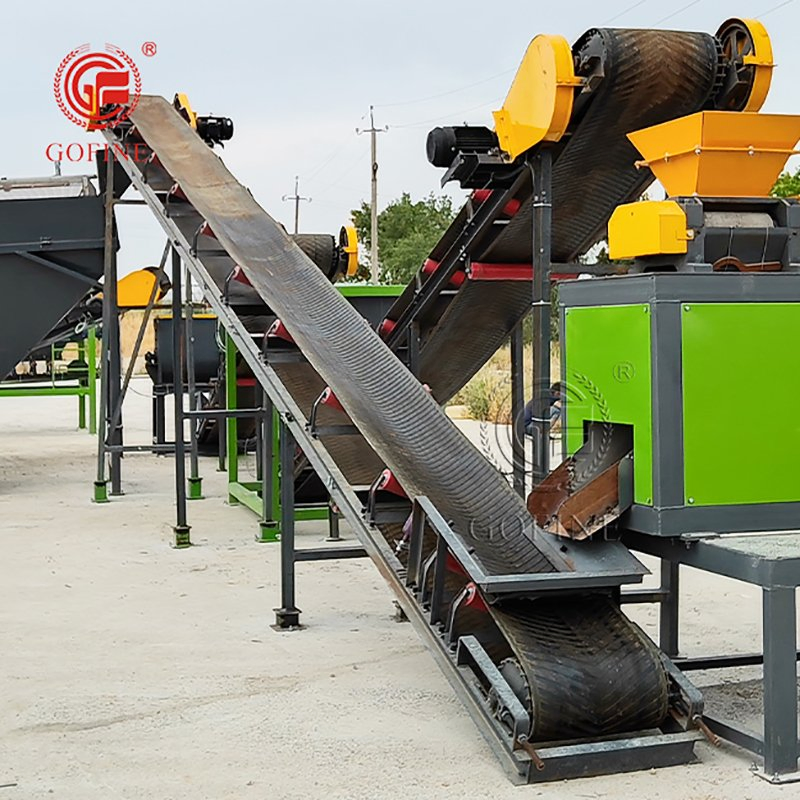
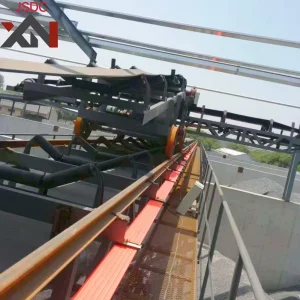
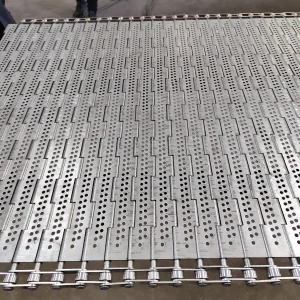
A belt conveyor is a modern material handling device that uses a continuously moving belt as the conveying and traction element, transporting materials through frictional drive. It is one of the core devices for achieving automated and continuous logistics in industrial production.

Key Selection Parameters:
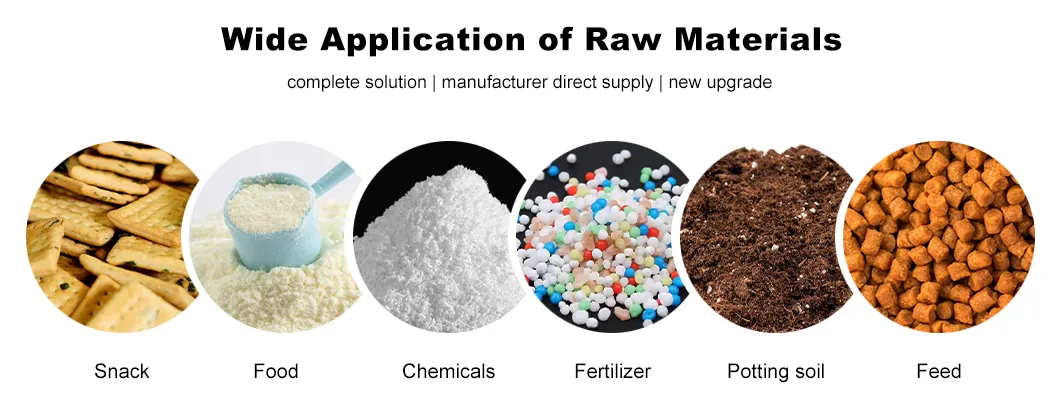
  • Conveying capacity: Measured in tons per hour or cubic meters per hour.
  • Conveyor length: Ranges from several meters to several hundred meters, fully customizable.
  • Belt width: Common sizes include 650mm, 800mm, 1000mm, etc.
  • Belt speed: Adjustable range of 0.8 to 2.5 meters per second.
  • Inclination angle: Standard up to 18°; special types can reach 30°-90°.
Belt Conveyor Types

Main Types and Features:

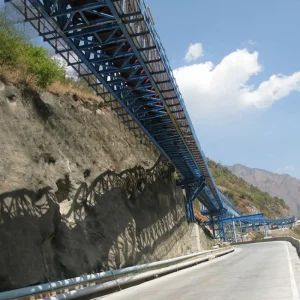
1. Fixed Belt Conveyor: Stable structure, suitable for long-distance transport in mines and ports.
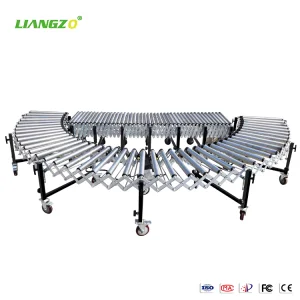
2. Mobile Belt Conveyor: Equipped with wheels for flexibility in warehouses and construction sites.
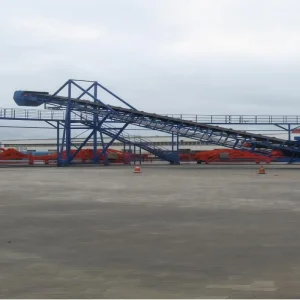
3. High-Angle Belt Conveyor: Uses side walls for vertical lifting in space-constrained areas.
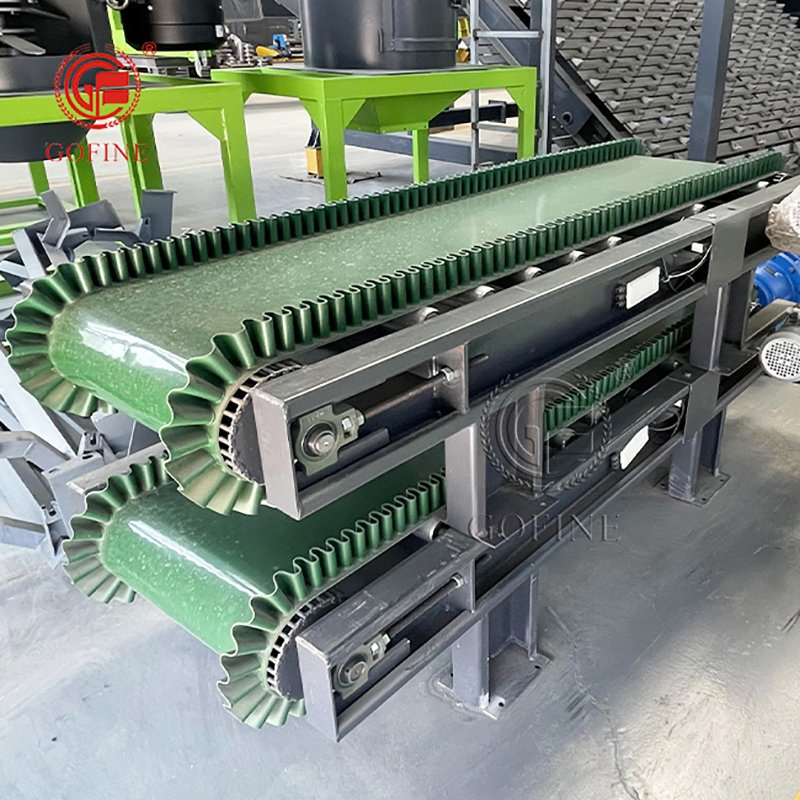
4. Skirted Belt Conveyor: Prevents material spillage during inclined transport of granular materials.
5. Curved Belt Conveyor: Offers flexible layouts for logistics sorting and assembly lines.
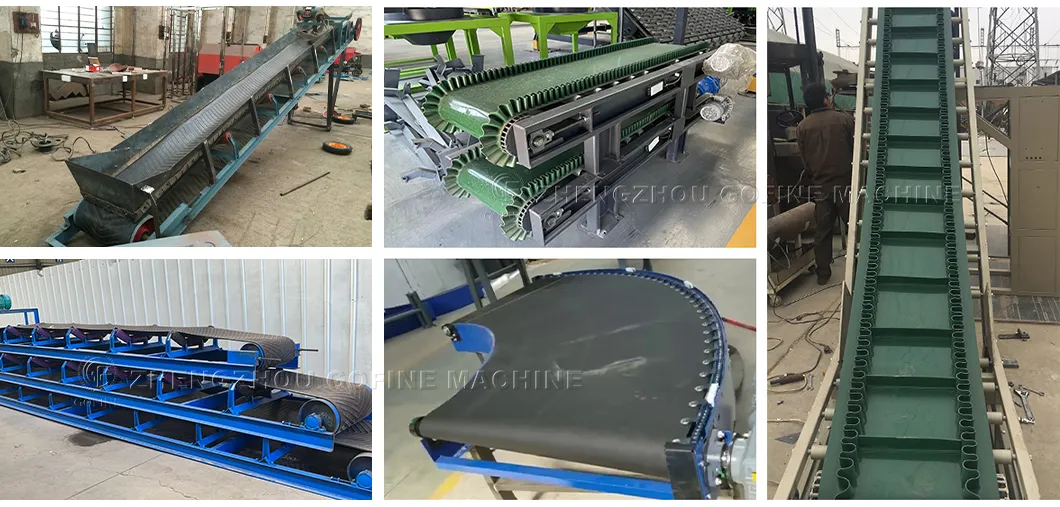
Conveyor Application
Product Parameters
Model B500 B800
Motor Power 3kw/ set 4kw/set
Output 80- 150m³/h 20t/h
Rubber Thickness 8-10mm 10mm
Upper Roller Length 240mm 280mm
Down Roller Length 600mm 900mm
Core Structure and Working Principle

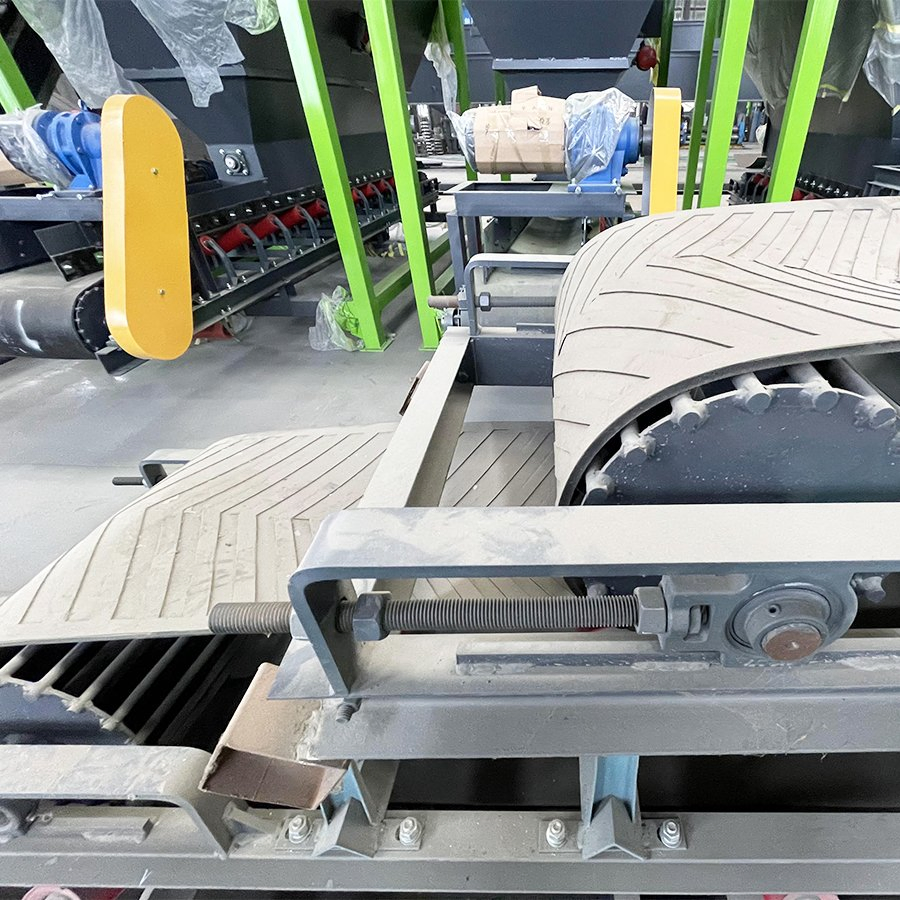
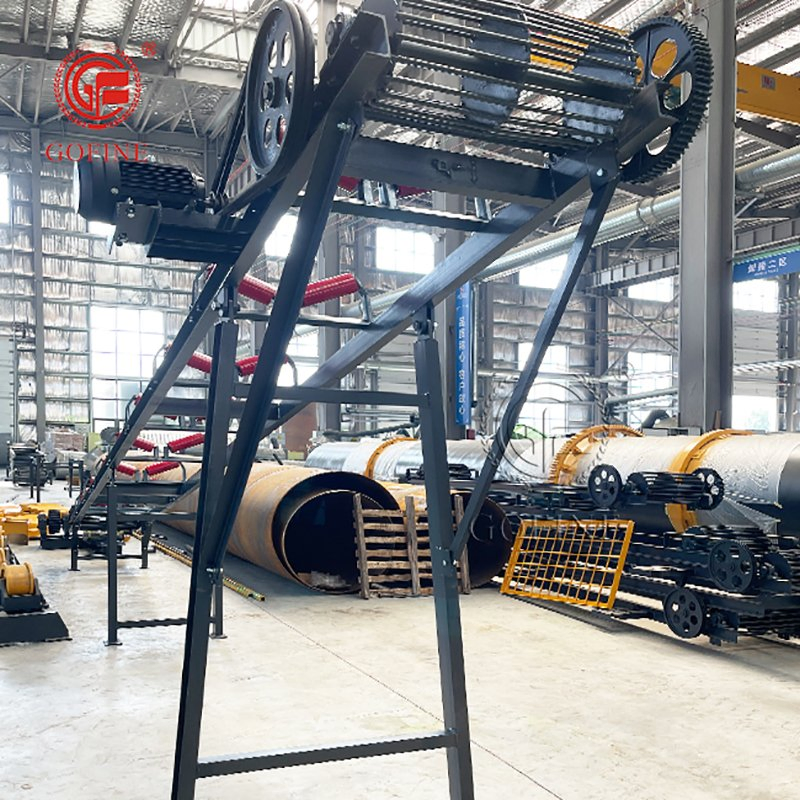
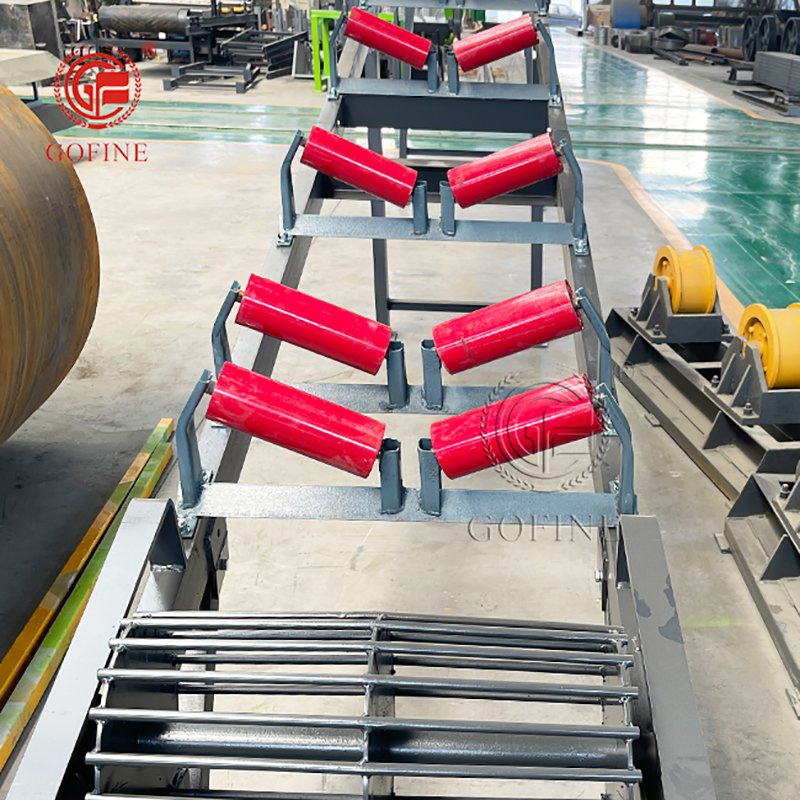
A belt conveyor primarily consists of the following core components: Conveyor Belt (high strength and wear resistance), Idler Rollers, Drive Rollers, Turn-Around Roller, Drive Unit, Tensioning Device, and the Frame.

Working Principle: Power is transmitted to the drive roller via the gearbox. The drive roller drives the belt in a continuous cycle through friction. Material is fed onto the belt at the inlet and transported smoothly to the outlet.
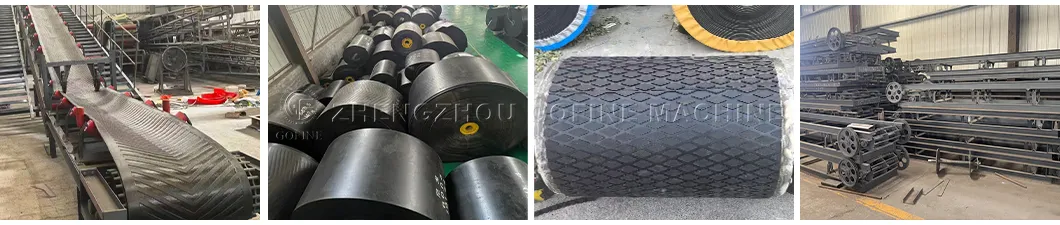
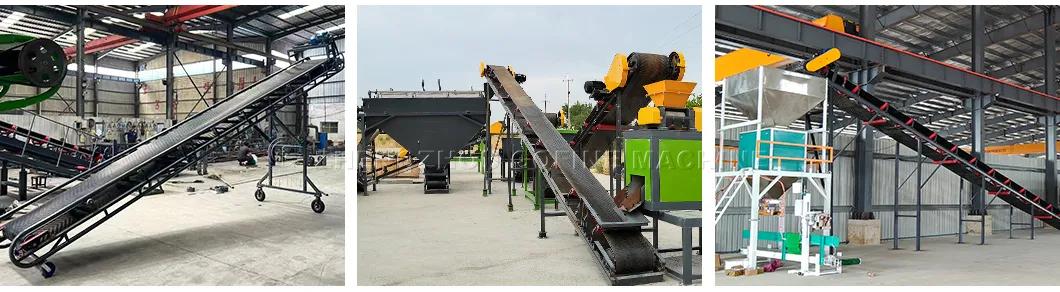
Conveyor Structure
Overseas Scene
Overseas Application
About Our Service

We are a large-scale equipment supplier integrating scientific research, production, and sales. We prioritize "Quality First" and "Integrity" in all our operations. Our mission is to provide efficient, automated logistics solutions to help industries optimize their production lines.
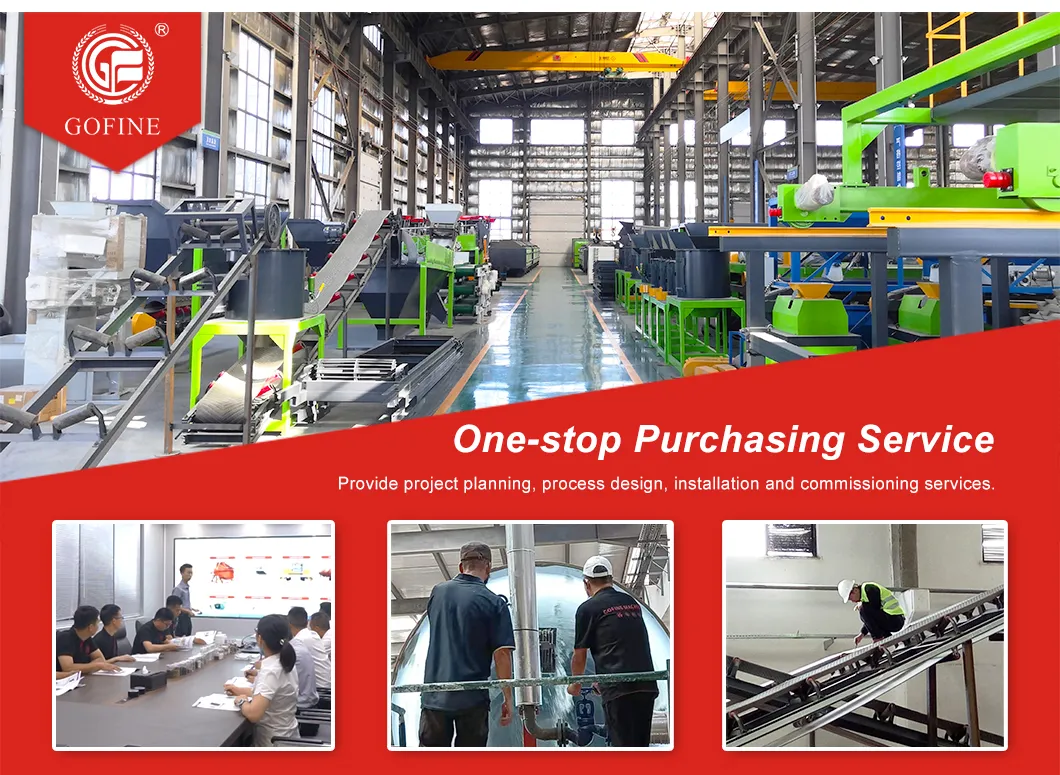
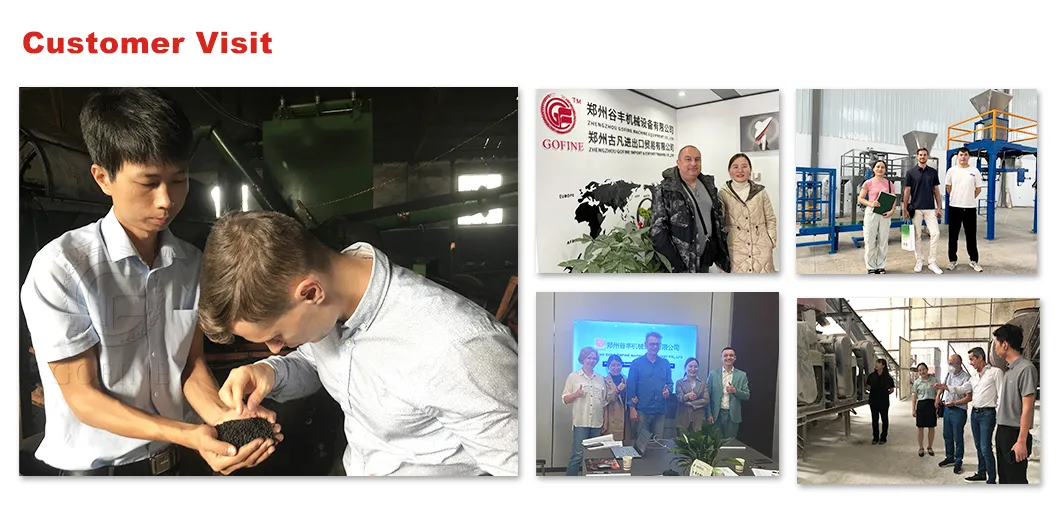
Factory Image 1 Factory Image 2 Factory Image 3
FAQ
What materials can the belt conveyor handle?
The system is versatile and can handle granular, powdery, and small lump materials such as fertilizer, grain, coal, and chemical raw materials.
Are the conveyor systems customizable?
Yes, we provide fully customizable solutions including belt width, conveyor length, motor power, and inclination angles based on your specific needs.
What is the advantage of a skirted belt conveyor?
Skirted belts feature corrugated side walls that effectively prevent material spillage, making them ideal for high-angle transportation.
How do you ensure the quality of the equipment?
We implement a strict quality control system, where every machine undergoes testing and inspection before leaving the factory to ensure reliable performance.
Do you provide installation and training services?
Yes, we offer professional installation support, equipment commissioning, and operation training to ensure your staff can manage the system effectively.
Is the belt conveyor environmentally friendly?
Our designs can include dust-tight enclosures and seals to prevent dust leakage, meeting standard environmental protection requirements.

Related Products