In the ever-evolving landscape of logistics, understanding why do warehouses use conveyor automation is critical. This technology enhances efficiency by streamlining the movement of goods. Conveyors can handle a variety of products, all while reducing labor intensity. Imagine a large warehouse with thousands of items. The old methods of transferring goods between aisles are slow and prone to errors.
Automation tackles these challenges head-on. It minimizes human involvement and speeds up processes significantly. For example, a conveyor system can shift hundreds of packages in a fraction of the time it takes with manual labor. However, not all warehouses benefit equally from automation. Each facility has unique needs and constraints. Some might find the transition expensive or complex.
Investing in conveyor systems requires careful planning. The benefits must outweigh the costs for many businesses. Reflecting on the decision to automate can reveal surprising insights. It compels warehouses to rethink their operational strategies and embrace innovations that may redefine their efficiency.
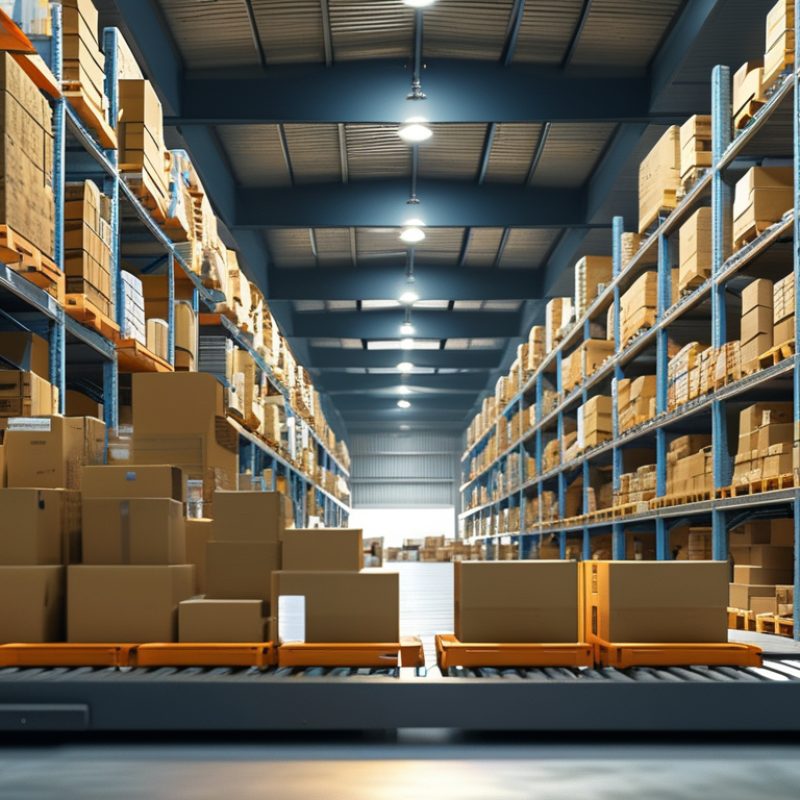
Conveyor automation has revolutionized warehouse operations, significantly enhancing efficiency. According to a recent report by the Warehousing Education and Research Council (WERC), facilities employing conveyor systems can achieve a productivity increase of up to 30%. This boost stems from the automation of repetitive tasks, allowing workers to focus on more complex activities.
Moreover, conveyor systems reduce the time spent on manual handling. A study from the Material Handling Industry of America (MHIA) indicates that companies using automated systems report a 50% decrease in labor costs related to order fulfillment. Items are moved swiftly and systematically, ensuring timely delivery, which is critical in today's fast-paced market.
Despite these advantages, there are challenges to consider. Implementation costs can be high, and not all warehouses require extensive automation. It is essential for managers to evaluate their specific needs. Some facilities may find that partial automation suffices, while others may need a complete overhaul. This reflection can help tailor solutions to actual operational demands, ensuring a balance between investment and efficiency gains.
Conveyor systems have become essential for automation in warehouses. They enhance productivity by streamlining the movement of goods. Different types of conveyors cater to varying needs within these facilities. Each type serves a specific function and boosts overall efficiency.
Belt conveyors are incredibly common. They transport items smoothly across long distances. They are great for handling bulk materials and larger packages. Roller conveyors play a different role. They facilitate manual transport and are very useful for sorting operations. Additionally, modular conveyors provide flexibility for various layouts. These can be adjusted to fit any space.
Pneumatic conveyors are another alternative. They move lightweight materials through air pressure. Selecting the right type can be challenging, as not all systems fit every warehouse's needs. Proper assessment is crucial to ensure maximum effectiveness. With the right choice, overall workflow can significantly improve.
In today’s fast-paced logistics environment, warehouses increasingly adopt conveyor automation to enhance labor efficiency. A recent report from the Warehousing Education and Research Council revealed that automated conveyor systems can boost productivity by up to 30%. These systems streamline the movement of goods, reducing the time workers spend manually transporting items.
Conveyor systems minimize physical strain on employees. Research indicates that up to 60% of warehouse injuries are due to repetitive lifting. By automating these tasks, companies can not only protect their workforce but also reduce downtime. Workers can focus on other critical tasks, improving overall operational efficiency.
While conveyor automation offers significant advantages, some challenges remain. Integrating these systems can be costly and complex. Warehouse operators must assess their specific needs before implementation. Regular maintenance is essential to keep these systems running smoothly. Balancing automation with a skilled workforce is crucial for optimal results.
Conveyor automation plays a crucial role in modern warehouses by significantly reducing operational costs. According to a report by the Warehousing Education and Research Council, automated systems can decrease labor costs by up to 30%. This substantial saving allows businesses to allocate funds towards other important areas. Additionally, conveyor systems can improve accuracy in order fulfillment. Operational errors often lead to returns and lost revenue, which can impact a company’s bottom line.
Implementing conveyor technology can also optimize inventory management. Studies show that warehouses using automated solutions experience a 10% increase in inventory accuracy. This reduction in discrepancies reduces waste and minimizes storage costs. Furthermore, increasing productivity through automation can lead to faster turnaround times, enabling businesses to meet customer demands more effectively.
Tip: Regularly assess your automation system’s performance. Check for potential bottlenecks and identify areas where efficiency can improve. Small adjustments can have a big impact on overall productivity.
Another important aspect is employee training. An article from the Journal of Supply Chain Management highlights that poorly trained staff can negate automation benefits. Ongoing training ensures that your team maximizes the technology’s capabilities. This continuous improvement keeps operational costs low while enhancing efficiency.
| Efficiency Metric | Before Automation | After Automation | Cost Reduction (%) |
|---|---|---|---|
| Order Processing Time | 30 minutes | 15 minutes | 50% |
| Labor Hours Required | 100 hours/week | 60 hours/week | 40% |
| Error Rate in Orders | 5% | 1% | 80% |
| Inventory Management Costs | $10,000 | $6,000 | 40% |
| Space Utilization | 70% | 85% | - |
Warehouse automation is evolving rapidly. As businesses seek efficiency, conveyor systems play a crucial role. Automation not only streamlines processes but also reduces human error. It allows for quicker sorting and transportation of goods. Real-time data integration now enhances decision-making.
Emerging trends show a shift towards smart conveyor systems. These systems use AI and machine learning for better performance. They adapt to varying loads and optimize routes. Sensors track inventory, minimizing delays. It's interesting to see how technology shapes logistics.
However, this reliance on automation raises concerns. What happens during a system failure? Human oversight remains essential for maintenance. Striking a balance between automation and human input is vital. Companies must be cautious about over-automating their operations.
: Common types include belt conveyors, roller conveyors, modular conveyors, and pneumatic conveyors.
They transport items smoothly over long distances, especially bulk materials and larger packages.
They aid manual transport and are ideal for sorting operations within warehouses.
They can reduce labor costs by up to 30% and improve order fulfillment accuracy.
Automated systems can increase inventory accuracy by 10%, reducing discrepancies and storage costs.
Regular assessment of the system’s performance can help identify bottlenecks and enhance efficiency.
Poor training can negate the benefits of automation; ongoing training is crucial for maximizing technology use.
Smart conveyor systems using AI are becoming prevalent, optimizing performance and minimizing delays.
Reliance on automation raises issues like system failures; human oversight is still essential.
Over-automation can pose risks; maintaining human involvement ensures proper system maintenance and oversight.
In exploring the question of "why do warehouses use conveyor automation," it's clear that this technology significantly enhances operational efficiency. The benefits of conveyor automation in warehouse operations include increased speed and accuracy in material handling, which ultimately leads to better inventory management. Various types of conveyors, such as belt, roller, and overhead systems, are employed to streamline processes and effectively accommodate different types of products.
Furthermore, conveyor systems play a crucial role in enhancing labor efficiency by reducing the physical strain on workers and minimizing errors in order fulfillment. Additionally, these systems contribute to operational cost reduction by optimizing space usage and decreasing the time required for order processing. As the industry evolves, future trends in warehouse conveyor automation technologies promise even greater advancements, making it increasingly essential for warehouses to adopt these solutions for improved productivity and competitiveness.

Maith Conveyor