Top 10 Benefits of Using a Warehouse Conveyor System How Does It Work?

Time:2026-05-29 Author:Isabella
0%

Warehouse conveyor systems have revolutionized logistics by improving efficiency and productivity. These systems transport goods seamlessly throughout a warehouse, reducing manual labor and minimizing errors. According to Thomas Harrington, a leading expert in warehouse automation, "A well-designed conveyor system streamlines operations and enhances flexibility." His insights shed light on the intricacies of these systems.

How does a warehouse conveyor system work? It involves an intricate network of rollers, belts, and clutches. These components work together to move products from one point to another. When integrated effectively, these systems cater to various operational needs. However, designing a conveyor system requires careful planning to address specific workflows and space challenges.

Despite their benefits, some challenges exist. For example, maintenance is crucial to avoid unexpected downtimes. Operators must ensure that components are in good condition. Understanding the mechanics and logistics behind conveyor systems is vital for optimizing their performance. Each decision in the design phase can create vulnerabilities or advantages in day-to-day operations. Thus, exploration in this field remains ever important.
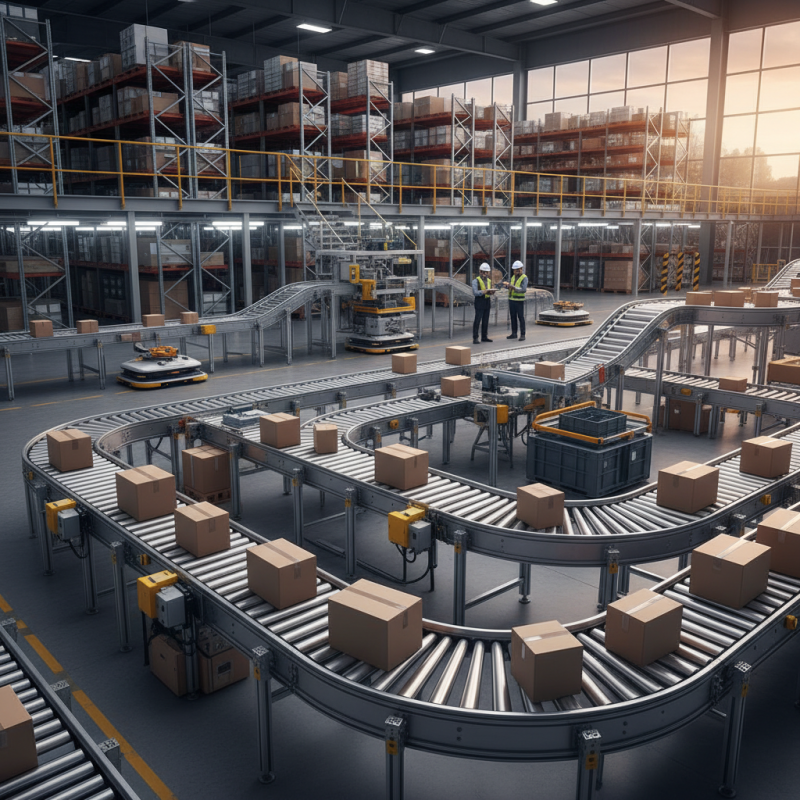
Top 10 Benefits of Using a Warehouse Conveyor System How Does It Work?

Benefits of Implementing a Warehouse Conveyor System

Implementing a warehouse conveyor system offers numerous benefits that can streamline operations. One major advantage is improved efficiency. Conveyor systems significantly reduce manual labor and speed up the process of moving goods. This results in faster order fulfillment and helps meet customer demands.


Another benefit is enhanced safety. Conveyors minimize the risk of workplace injuries commonly associated with manual handling. They eliminate the need for workers to lift heavy items repeatedly. Installing these systems can lead to a safer work environment and reduce costs related to workplace injuries.


Tips for maximizing the benefits of warehouse conveyor systems include ensuring regular maintenance. This practice prevents unexpected downtimes. Training staff on the proper use of these systems is crucial. Knowledgeable workers reduce the chances of accidents and improve overall productivity.


Consideration should be given to the type of products being moved. Not all conveyor systems fit every warehouse scenario. Reflecting on the specific needs of your warehouse ensures that the chosen system will provide optimal performance. Regularly assessing the system’s effectiveness will help identify areas for improvement.

Understanding the Functionality of Conveyor Systems in Warehouses

Conveyor systems play a crucial role in modern warehouses, enhancing efficiency and productivity. By automating the movement of goods, these systems reduce labor costs and minimize the risk of injury. Research indicates that warehousing operations can see a productivity increase of up to 30% when utilizing conveyor technology. This shift allows staff to focus on more complex tasks, lending to better resource allocation.

Understanding how conveyor systems function is key to maximizing their benefits. The primary components include rollers, belts, and drives that work together to transport items seamlessly. Different systems cater to specific needs; for example, belt conveyors are ideal for bulk materials, while roller conveyors suit pallet handling. According to the Warehousing Education and Research Council, companies can achieve up to a 50% faster order fulfillment rate with the right conveyor system in place.

However, deploying a conveyor system is not without challenges. Initial setup costs can be significant, and integrating these systems into existing workflows requires careful planning. Maintenance cannot be overlooked either, as mechanical wear and tear can disrupt operations. Regular inspections and timely repairs are essential to ensure optimal performance. Understanding these nuances is critical for businesses looking to invest in conveyor technology.

Top 10 Benefits of Using a Warehouse Conveyor System

The following chart illustrates the top 10 benefits of using a warehouse conveyor system, highlighting improvements in efficiency, safety, and cost-effectiveness.

Key Features of Warehouse Conveyor Systems and Their Impact

Warehouse conveyor systems streamline material handling. They enhance efficiency in various operations. These systems move goods smoothly across different locations, reducing manual labor and minimizing errors. The design allows for rapid movement, significantly improving workflow.

Key features include modular designs and versatile configurations. This flexibility adapts to specific warehouse needs. Some systems include automated sortation and integration with other technologies. This helps to optimize inventory management and processing times. Real-time tracking can be incorporated, enhancing visibility and control.

Tips: Regular maintenance is crucial. Check the components routinely to avoid unexpected downtime. Training staff on system operation ensures safety and efficiency. An occasional review of workflow can identify areas for improvement. Implementing small changes can lead to significant results.

Types of Conveyor Systems Used in Warehouse Operations

In warehouse operations, various conveyor systems play a crucial role in enhancing efficiency. Gravity conveyors are among the simplest types. They rely on gravity to move products along a sloped path. This system is easy to install and maintain. However, it may not be suitable for all product types.

Powered conveyor systems are another popular choice. They can handle heavier loads and are often adjustable for different spaces. These systems include belt conveyors and roller conveyors. They offer more control over product movement, but the complexity can lead to higher maintenance needs.

Tips: Regular inspections can prevent breakdowns. Training staff on system use is essential for safety. Consider the product size when choosing a conveyor type. Selecting the right system can significantly impact overall productivity.

Factors to Consider When Choosing a Conveyor System for Your Warehouse

When selecting a conveyor system for your warehouse, several factors play a crucial role. The layout of the warehouse is essential. A well-designed layout enhances efficiency. According to a 2022 industry report, conveyor systems can improve warehouse productivity by up to 30%. This increase stems largely from optimized workflows and space utilization.

Capacity is another vital consideration. Different operations require varied load capacities. Understanding the weight and volume of items can help in choosing the right system. Moreover, the speed of the conveyor should align with your operational goals. A report by the Material Handling Industry of America (MHIA) highlights that speed can significantly impact delivery timelines and customer satisfaction.

Also, flexibility matters. As businesses evolve, so do their needs. A scalable conveyor system can adapt to changing requirements, ensuring longevity. While many systems promise durability, not all can handle diverse product mixes effectively. It's imperative to assess the real-world performance before committing. Insufficient evaluation can lead to costly mistakes down the line.

Top 10 Benefits of Using a Warehouse Conveyor System

Benefit Description
Increased Efficiency Conveyor systems automate the movement of goods, significantly speeding up the process of order fulfillment.
Reduced Labor Costs By mechanizing the transportation of products, less manual labor is required, helping to cut labor expenses.
Improved Safety Conveyor systems minimize the risks associated with manual handling of heavy loads, reducing workplace injuries.
Space Optimization Conveyors can be designed to use vertical space, which helps in maximizing storage capacity.
Enhanced Order Accuracy Automated systems reduce human errors in sorting and shipping, leading to higher order accuracy.
Flexibility Conveyor systems can be easily adapted to accommodate different types of products and processes.
Increased Throughput Conveyor systems allow for continuous flow, which can significantly boost the throughput of a warehouse operation.
Better Inventory Management Integration of conveyors with warehouse management systems helps in tracking inventory in real-time.
Lower Product Damage Conveyor systems reduce manual handling, which results in fewer damages during the transportation of goods.
Cost Efficiency Long-term savings on labor, operational efficiency, and reduced damages lead to overall cost effectiveness.

FAQS

: What role do conveyor systems play in warehouses?

: Conveyor systems enhance efficiency by automating movement, reducing labor costs, and minimizing injury risks.

How can conveyor systems increase productivity?

Research shows up to 30% productivity increases with conveyor systems. They allow staff to focus on complex tasks.

What are the primary components of a conveyor system?

Key components include rollers, belts, and drives. These elements work together to transport items efficiently.

What challenges are associated with deploying conveyor systems?

Initial setup can be costly, and integration requires careful planning. Maintenance is crucial to prevent disruptions.

How can companies achieve faster order fulfillment rates?

Using the right conveyor system can improve order fulfillment by up to 50%. Proper selection is essential for success.

What types of conveyor systems are commonly used?

Gravity conveyors are simple and low-maintenance. Powered systems offer more control but have higher maintenance needs.

Why is regular maintenance important for conveyor systems?

Routine inspections prevent unexpected breakdowns. Overlooking maintenance can lead to costly disruptions and inefficiencies.

How can staff training impact conveyor system efficiency?

Proper training on system operation enhances safety and efficiency. Untrained staff may struggle, leading to mistakes.

What should companies consider when selecting a conveyor system?

Product size and type are critical factors. An unsuitable choice can hinder productivity and complicate operations.

What small changes can improve conveyor system effectiveness?

Occasional workflow reviews can identify improvement opportunities. Implementing minor adjustments can lead to significant benefits.

Conclusion

A warehouse conveyor system significantly enhances operational efficiency by automating the movement of goods within a facility. By examining the benefits of implementing such systems, it becomes clear that they reduce manual labor, minimize errors, and optimize space utilization. Understanding how does a warehouse conveyor system work is pivotal; it typically employs a series of belts or rollers to seamlessly transport items from one location to another.

Key features of conveyor systems include modular designs, flexibility in handling different product sizes, and integration with other warehouse technologies. Various types of conveyor systems—such as belt, roller, and overhead conveyors—are employed based on specific warehouse operations. When selecting a suitable conveyor system, factors such as load capacity, speed, and layout compatibility must be taken into account to ensure maximum productivity and efficiency.

Isabella

Isabella

Isabella is a dedicated marketing professional with a sharp focus on driving brand growth and engagement through strategic content creation. With an extensive background in digital marketing, she combines her passion for storytelling with her keen understanding of industry trends to deliver......