Top 10 Warehouse Conveyors How Fast Can They Move Products?

Time:2026-06-04 Author:Ethan
0%

In the fast-paced world of logistics, efficiency is key. Warehouse conveyors play a crucial role in the movement of goods. However, many wonder, "how fast can warehouse conveyors move products?" Understanding their speed is vital for optimizing operations.

Various types of conveyors exist. Belt conveyors, roller conveyors, and automated systems each offer unique advantages. Yet, speeds can vary significantly among them. For instance, some conveyors can reach speeds of up to 600 feet per minute. This performance greatly impacts how quickly products are processed and shipped.

Despite these impressive capabilities, it's essential to recognize that speed isn't everything. Factors like product type, weight, and handling requirements also influence performance. Companies must assess their specific needs and choose the right conveyor system accordingly. This decision can shape the efficiency of entire warehouse operations.
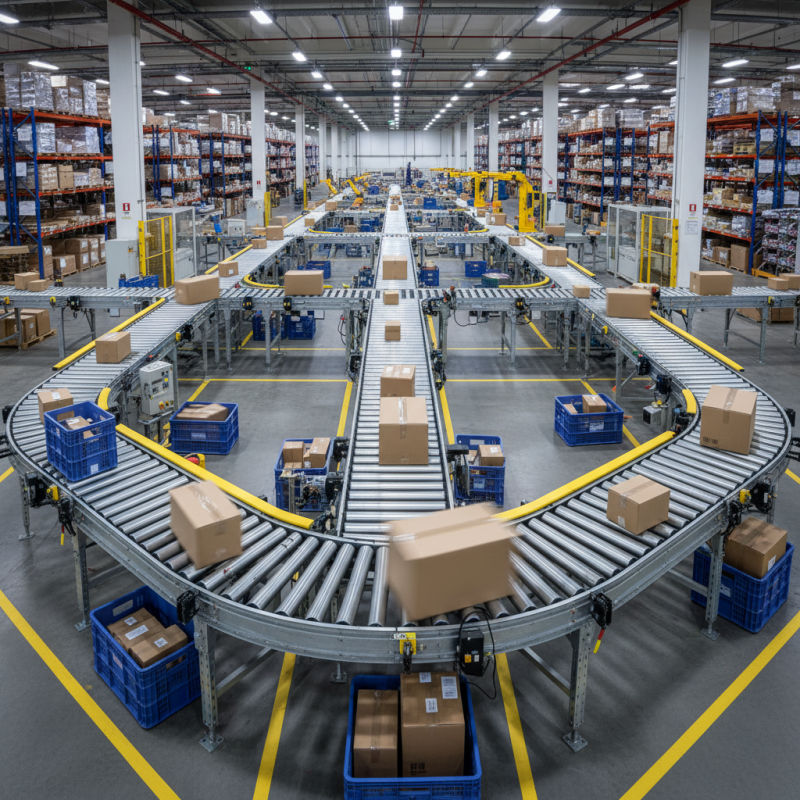
Top 10 Warehouse Conveyors How Fast Can They Move Products?

Top 10 Types of Warehouse Conveyors

In a busy warehouse, efficiency is key. Understanding the different types of conveyors can enhance workflow. The most common types include roller conveyors, belt conveyors, and chain conveyors. Each type serves unique purposes and moves products at various speeds.

Roller conveyors are versatile. They are great for transporting boxed items. They rely on gravity, making them energy-efficient. Belt conveyors, on the other hand, are ideal for moving product loads of different shapes. They shine in areas that require constant speed and smooth handling.

Tips: Assess your warehouse layout before choosing a conveyor type. Consider factors like product weight and flow volume.

Chain conveyors are powerful tools for heavy items. They provide accurate movement for durable goods. While they are robust, maintenance is crucial. An overlooked chain can lead to slowdowns.

Tips: Regular checks can prevent unexpected breakdowns. Keep a maintenance schedule to ensure optimal performance.

Choosing the right conveyor can elevate productivity. Evaluate the needs of your warehouse carefully. Adjustments may be necessary as workflow increases.

Top 10 Warehouse Conveyors: Speed Comparison

This chart displays the maximum speed of different types of warehouse conveyors, measured in meters per minute (m/min). Understanding the speed capabilities of these conveyors helps optimize warehouse efficiency and product handling.

Factors Affecting Conveyor Speed in Warehouses

When it comes to warehouse operations, conveyor speed plays a crucial role. Several factors can influence how fast a conveyor moves products. One key factor is the weight of the items. Heavier items require more power and can slow down the system. Light items, on the other hand, often move faster. It’s essential to balance speed with safety to prevent accidents.

Additionally, the type of material being transported affects conveyor performance. Different materials, such as cardboard or metal, have unique friction levels. High friction can hinder movement, while low friction allows faster transport. The conveyor design also matters. For instance, inclined conveyors may struggle with speed, especially when dealing with heavy loads.

Regular maintenance impacts speed too. Wear and tear can cause slowdowns. If parts are not lubricated or replaced on time, the entire system can suffer. Observing these factors can help find a balance between speed and efficiency. It's often challenging to optimize speed while maintaining a reliable operation. Experimentation and adjustments are necessary for continual improvement.

Comparative Analysis of Conveyor Speeds

Warehouse conveyors are integral to improving efficiency in product handling. Speed is a critical factor when choosing a conveyor system. Data from industry reports indicate that conveyor systems can achieve speeds ranging from 50 feet per minute to 700 feet per minute. These speeds can drastically reduce the time products spend in transit, allowing for quicker fulfillment.

When analyzing conveyor speeds, it is essential to consider the type of products being moved. For lighter, smaller items, higher speeds may prove beneficial. However, heavier items might require slower speeds for safety and handling purposes. Understanding the balance between speed and product integrity is crucial.

Tip: Always evaluate the nature of your products before investing in a high-speed conveyor. Not all environments are suitable for maximized speeds. A slower conveyor can minimize damage and ensure better care. Additionally, integrating automation technology may help accommodate varying speeds across different sections of your warehouse, enhancing overall productivity. Regularly reassess your system's performance and adaptability to stay competitive in the market.

Top 10 Warehouse Conveyors: How Fast Can They Move Products?

Conveyor Type Max Speed (ft/min) Applications Belt Width (inches) Load Capacity (lbs)
Roller Bed Conveyor 150 Heavy Packages 24 2000
Belt Conveyor 100 Sorting & Packing 30 1500
Modular Belt Conveyor 120 Food Processing 24 1000
Chain Driven Conveyor 90 Assembly Line 36 3000
Flexible Conveyor 80 Temporary Setup 18 500
Spiral Conveyor 60 Elevating Goods 30 800
Overhead Conveyor 70 Heavy Loads n/a 1500
Pneumatic Conveyor 50 Bulk Materials 12 1000
Vibrating Conveyor 40 Granular Materials 24 500
Bucket Conveyor 30 Semi-Solid Materials 12 300

Technological Advancements in Conveyor Systems

Conveyor systems are revolutionizing warehouse operations. Recent technological advancements enhance speed, efficiency, and safety. These systems now integrate AI and IoT for real-time monitoring. This real-time data helps in optimizing the workflow and detecting problems before they escalate.

The speed of modern conveyors can reach impressive rates. Some systems can move products at over 600 feet per minute. This speed significantly reduces processing time and increases throughput. However, maintaining safety is crucial. High-speed conveyors require attention to safety measures to prevent accidents.

Tips for effective warehouse conveyor use include regular maintenance checks. Ensure that all parts are functioning correctly and free of debris. Evaluate your layout to maximize efficiency. Consider flow patterns and minimize bottlenecks. Finally, keep staff trained on the system to avoid mishaps. Keep in mind that while speed is vital, safety must never be compromised.

Applications of Fast Conveyors in Modern Warehousing

In modern warehousing, fast conveyors are transforming product handling and logistics. These systems can move items at speeds that greatly enhance efficiency. According to industry reports, some advanced conveyor systems can reach speeds of up to 600 feet per minute. This rapid movement can significantly reduce operational time, optimizing workflow.

Fast conveyors are vital in several applications, including e-commerce fulfillment and heavy manufacturing. For example, in e-commerce, quick sorting and packing can lead to faster delivery times. However, this speed also brings challenges. Maintaining precise alignment and avoiding jams can be difficult, but these issues must be addressed to ensure smooth operations.

Tip: Regular maintenance checks are crucial for optimizing conveyor performance. Dust and debris can hinder speed and reliability. Implementing automated monitoring systems can help identify potential issues early, maximizing efficiency. Fast conveyors indeed offer impressive benefits, but they also require careful management to harness their full potential.

Tip: Train staff on best practices for using conveyors. Proper training can reduce accidents and enhance productivity. Adapting to fast-paced environments is challenging but essential for success in modern warehousing.

FAQS

: What significantly affects conveyor speed in warehouses?

: Conveyor speed is influenced by item weight, material type, and conveyor design.

How do lighter versus heavier items impact conveyor speed?

Lighter items typically move faster, while heavier items require more power, slowing down the system.

Why is regular maintenance important for conveyor systems?

Regular maintenance prevents wear and tear, ensuring speed and reliability in operations.

Can different materials affect how a conveyor performs?

Yes, materials like cardboard or metal have unique friction levels that influence movement speed.

What is the speed range for warehouse conveyors?

Conveyor speeds can vary from 50 feet per minute to 700 feet per minute depending on several factors.

How should one assess the suitability of high-speed conveyors?

Consider product type and handling needs; not all environments are suitable for maximum speeds.

What are common applications for fast conveyors?

Fast conveyors are widely used in e-commerce fulfillment and heavy manufacturing to optimize workflow.

What challenges come with using fast conveyor systems?

Challenges include maintaining alignment and preventing jams; these must be addressed for smooth operations.

How can staff training impact conveyor operations?

Proper training can reduce accidents and enhance overall productivity in fast-paced environments.

Why is it essential to regularly reassess conveyor system performance?

Continual assessment helps adapt to market changes and improves overall efficiency and competitiveness.

Conclusion

The article "Top 10 Warehouse Conveyors: How Fast Can They Move Products?" delves into the critical aspects of warehouse conveyor systems, focusing on their speed and efficiency. It begins by outlining the top ten types of conveyors used in warehouses, highlighting their unique characteristics and applications. The factors affecting conveyor speed are then discussed, including load weight, conveyor design, and maintenance practices, providing insight into how fast can warehouse conveyors move products.

Further, a comparative analysis of conveyor speeds illustrates the variations among different types, emphasizing the importance of selecting the right system for specific warehouse needs. The piece also explores current technological advancements that enhance conveyor efficiency, paving the way for faster operations. Lastly, it examines the applications of high-speed conveyors in modern warehousing, showcasing their role in optimizing logistics and improving overall productivity.

Ethan

Ethan

Ethan is a seasoned marketing professional with a deep expertise in our company's innovative product line. With a passion for sharing knowledge and insights, he takes the lead in regularly updating our corporate blog, where he explores industry trends, product features, and effective marketing......