In modern manufacturing, conveyor systems are vital. They streamline processes and enhance productivity. However, downtime can disrupt these benefits. Understanding how to reduce downtime in conveyor systems is essential for operational efficiency.
Regular maintenance is critical. A well-maintained conveyor runs smoother and lasts longer. Yet, many companies neglect this crucial aspect. Scheduling preventive checks can prevent unexpected breakdowns. It’s a simple step but often overlooked.
Training staff effectively is another key factor. Workers need to recognize early signs of trouble. This knowledge can lead to quick fixes. However, not all organizations prioritize this training. Investing in skills ensures a proactive approach to system management. Focusing on these areas can lead to significant improvements in efficiency and productivity.
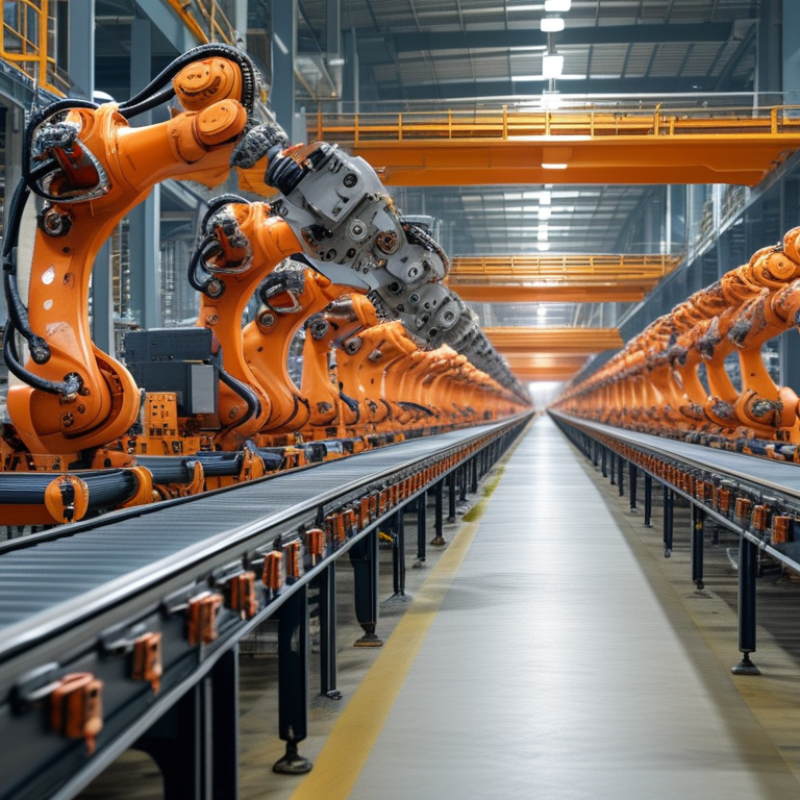
Conveyor system downtime can significantly hinder operational efficiency. According to a report by the Conveyor Equipment Manufacturers Association (CEMA), unplanned downtime can cost businesses up to $260,000 per hour. The impact stretches beyond immediate financial loss; it disrupts workflow and delays deliveries. Such inefficiencies affect customer satisfaction and long-term profitability.
Understanding downtime's definition is crucial for effective management. It encompasses any period when the conveyor system is inoperative, whether due to maintenance, breakdowns, or upgrades. A study by the American Society of Mechanical Engineers (ASME) found that nearly 20% of all downtime is attributed to mechanical failure. Regular monitoring and proactive maintenance practices can mitigate these failures. Many operators overlook the importance of thorough inspections and timely repairs, which is a missed opportunity for improvement.
To truly address downtime, organizations need to prioritize data-driven strategies. Implementing real-time monitoring systems can provide valuable insights. However, organizations must also recognize that not all downtime is avoidable. While some events are unforeseen, fostering a culture of continuous improvement can help reduce the frequency and impact of these interruptions. A balanced approach between innovative solutions and acceptance of certain inherent risks is essential for maximizing productivity.
| Downtime Cause | Impact on Production (%) | Estimated Downtime (Hours/Week) | Suggested Solution |
|---|---|---|---|
| Mechanical Failure | 25% | 5 | Regular Maintenance Checks |
| Operator Error | 15% | 3 | Enhanced Training Programs |
| Power Outages | 20% | 4 | Backup Power Systems |
| Material Jam | 10% | 2 | Install Sensors for Monitoring |
| Lack of Spare Parts | 30% | 6 | Maintain Inventory of Critical Spare Parts |
: Mechanical failures, operational inefficiencies, and inadequate employee training are key causes. Each can significantly impact productivity.
Mechanical failures account for nearly 30% of production interruptions. They often arise from wear and inadequate maintenance.
Regular maintenance prevents unexpected breakdowns. Neglect can lead to significant productivity loss and operational disruptions.
Misalignment causes unnecessary friction and can increase energy costs by up to 25%. It often goes unnoticed until problems escalate.
Monitoring performance data using sensors helps identify issues early. This proactive approach can reduce downtime and improve efficiency.
Lack of training can lead to operator errors. Training can mitigate risks and ensure proper usage, enhancing overall efficiency.
KPIs are metrics like throughput, downtime, and maintenance frequency. They provide insights into the operational health of conveyor systems.
Analyzing past performance can reveal patterns. It helps identify maintenance issues and develop better strategies for efficiency.
Balancing high-frequency data gathering with operational costs can be difficult. Some facilities hesitate to adopt real-time tracking methods.
Subtle increases in downtime might signal mechanical issues. Without regular monitoring, these problems can escalate and disrupt operations.
In the pursuit of understanding how to reduce downtime in conveyor systems, it's essential to first grasp the definition and implications of downtime itself. Downtime can significantly impact productivity and operational costs, emphasizing the need for efficient management strategies. Key causes often include mechanical failures, inadequate maintenance, and operational inefficiencies.
To effectively minimize downtime, implementing preventive maintenance strategies is crucial. This can be complemented by leveraging automation and monitoring technologies that allow for real-time tracking of system performance. Furthermore, analyzing data through key performance indicators (KPIs) fosters a deeper understanding of conveyor efficiency, enabling targeted improvements. By addressing these elements, businesses can significantly enhance the reliability and performance of their conveyor systems.

 Maith Conveyor