Conveyor belt systems play a vital role in various industries worldwide. Understanding what industries use conveyor belt systems can reveal insights into their extensive applications. According to the Conveyor Equipment Manufacturers Association (CEMA), the global conveyor systems market is projected to reach over $7 billion by 2027. This growth highlights the increasing reliance on automated solutions in sectors like manufacturing, mining, and logistics.
In the manufacturing sector, conveyor belts enhance efficiency and safety. They streamline the movement of materials, reducing manual handling. A report from MarketWatch states that the manufacturing industry accounts for nearly 40% of all conveyor belt use. Meanwhile, in mining, these systems transport materials across rugged terrains, minimizing labor costs and increasing productivity.
However, challenges exist. Conveyor belts can require significant maintenance, which might incur unexpected costs. The variability in performance across different industries also suggests that a one-size-fits-all approach may not work. While conveyor systems offer numerous advantages, businesses need to assess their specific needs carefully. This reflection is crucial for optimizing operations. Ultimately, the significance of conveyor belt systems in industry underscores their value in modern production and logistics processes.
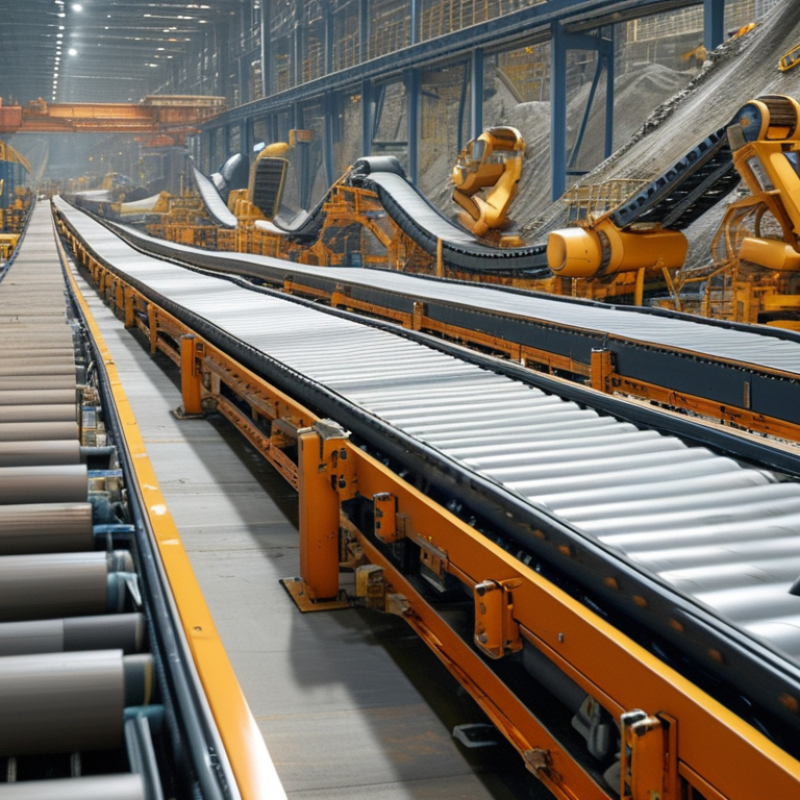
Industries Relying on Conveyor Belt Systems for Bulk Material Handling
Conveyor belt systems play a crucial role in various industries, especially for bulk material handling. The mining sector utilizes these systems extensively. According to a report by Freedonia Group, the demand for conveyor systems in mining is projected to grow significantly, reaching $2.4 billion by 2025. Their efficiency helps in the transportation of materials like coal and minerals over long distances. It reduces manual labor and minimizes the risk of accidents.
The agricultural industry also employs conveyor belt systems for transporting grains, seeds, and fertilizers. A study from the Agricultural Engineering Journal indicated that these systems can increase productivity by up to 30%. They enable faster movement of products, facilitating quicker processing times. However, maintenance can be a challenge. Systems require regular inspections to prevent breakdowns, which surprisingly occurs in 15% of cases.
In addition, the food processing industry relies heavily on conveyor belts for bulk material handling. The International Food and Beverage Systems Association found that 70% of food manufacturers use conveyor systems for efficiency. These systems must meet strict sanitary standards. Yet, issues with contamination can arise if not properly maintained. Regular cleaning protocols are essential but are often overlooked.
Industries Utilizing Conveyor Belt Systems
The following chart illustrates the distribution of different industries that utilize conveyor belt systems for bulk material handling. The data showcases the percentage of usage in various sectors.
Role of Conveyor Belts in Manufacturing and Production Lines
Conveyor belts play a crucial role in manufacturing and production lines across various industries. These systems enhance efficiency and ensure smooth operations. In fact, according to a market research report, the global conveyor systems market is expected to reach $10.6 billion by 2025. This indicates a growing reliance on conveyor technology.
In industries like food processing, automotive, and packaging, conveyor belts streamline the transportation of goods. They minimize manual handling, which reduces the risk of workplace injuries. Statistics show that workplaces with automated transport systems can decrease accident rates by up to 25%. However, the installation and maintenance of these systems can be complex and costly.
Tip: Regular maintenance is key. Schedule routine checks to prevent unexpected breakdowns. Ensure all employees understand the safety protocols to follow around conveyor systems.
Another aspect to consider is the adaptability of conveyor belts. They can be customized for specific tasks, but this requires careful planning. Some companies may struggle to implement changes effectively. It’s essential to regularly evaluate operational needs to make informed adjustments.
Tip: Train staff consistently on new technologies. Engaged employees can help improve system efficiency.
Application of Conveyor Belts in Food Processing and Packaging
In the food processing and packaging industries, conveyor belt systems play a vital role. They streamline the movement of ingredients and products across various stages of production. Whether it is transporting raw materials or finished goods, the efficiency of a conveyor belt can enhance overall productivity. Often, these systems are designed to meet specific hygiene standards, ensuring food safety.
Conveyor belts in food processing must be made from materials that withstand frequent cleaning. Regular maintenance is crucial to prevent contamination. However, issues like wear and tear can arise, necessitating timely inspections. Adapting these systems to unique food products can also pose a challenge. For instance, delicate items require specialized belts to avoid damage during transit.
In packaging, conveyor belts facilitate swift operations. They connect different packaging stations, making bottling or boxing tasks smoother. Sometimes, the speed of these systems needs adjustment based on the product type. This adaptability is essential but can complicate training for new operators. As a result, investing in operator education is crucial for minimizing errors and enhancing efficiency.
Impact of Conveyor Systems in Mining and Quarrying Operations
Conveyor belt systems play a crucial role in mining and quarrying operations. These industries often deal with heavy materials and require efficient transportation methods. Studies show that conveyor systems can reduce operational costs by up to 30%. They streamline the movement of materials, improving productivity and reducing the time spent on handling.
In quarrying, conveyor belts can move stone and aggregate more efficiently than traditional methods. The use of these systems decreases the need for heavy machinery, ultimately lowering fuel consumption. For instance, a report by the National Mining Association highlights that automation in material handling can improve safety and worker efficiency. However, it’s essential to regularly maintain these systems, as wear and tear can lead to costly downtime.
Tips: Ensure regular maintenance checks to prolong the lifespan of conveyor belts. Monitor wear patterns closely. Investing in training for staff can enhance safety and efficiency, ultimately improving your bottom line. Remember, a well-maintained system can outperform any brand-new equipment if managed correctly.
Use of Conveyor Belt Technology in Warehousing and Distribution Centers
In warehousing and distribution centers, conveyor belt technology plays a crucial role. These systems streamline the movement of goods. They reduce manual labor and improve efficiency. Conveyor belts facilitate quick sorting and transportation. Items can be moved from one location to another seamlessly.
The integration of conveyor belts leads to significant time savings. Workers can focus on tasks that require human oversight. However, over-reliance on automation can lead to pitfalls. If a conveyor malfunctions, operations may grind to a halt. Regular maintenance is necessary to prevent breakdowns, which can cause delays.
Moreover, designing an efficient conveyor system requires expertise. Each warehouse has unique space constraints and product types. Tailoring the conveyor layout is essential for maximizing productivity. Planning should consider future scalability too. As demands shift, so must the technology used.
FAQS
: Conveyor belt systems are used in mining, agriculture, food processing, and manufacturing.
They enhance transportation speed and reduce manual labor, leading to increased productivity.
The demand is expected to reach $2.4 billion by 2025.
Regular inspections are needed to prevent breakdowns, which occur in about 15% of cases.
Very important. They must meet strict sanitary standards to avoid contamination.
Yes, they can reduce accident rates by up to 25% in automated environments.
Customization requires planning and evaluation of operational needs.
Engaged employees can help improve system efficiency and adapt to new tech.
Yes, neglect can lead to costly breakdowns and regulatory issues.
Yes, installation and maintenance can be complex and costly.
Conclusion
Conveyor belt systems are integral to various industries, facilitating efficient bulk material handling and streamlining operations. Key sectors that utilize this technology include manufacturing and production lines, where conveyor belts enhance the speed and accuracy of assembly processes. In food processing and packaging, these systems ensure safe and sanitary movement of products, maintaining high hygiene standards.
Furthermore, conveyor belts play a critical role in mining and quarrying operations, enabling the smooth transport of extracted materials. Warehousing and distribution centers also benefit from conveyor belt technology, as it improves the efficiency of sorting and shipping processes. Overall, understanding what industries use conveyor belt systems highlights their importance in modern industrial operations, contributing significantly to productivity and efficiency across multiple sectors.

 Maith Conveyor