Sorting conveyor systems are essential in modern manufacturing and logistics. These systems enhance efficiency by managing the movement of products seamlessly. According to industry expert Dr. John Langston, "Sorting conveyor systems minimize delays and optimize workflow." Understanding how do sorting conveyor systems work provides insight into their design and functionality.
The mechanisms behind sorting conveyors rely on sensors and software to identify items. This technology allows for real-time sorting, significantly reducing manual labor. Each component is meticulously engineered to ensure quick response times. As products pass through the system, they are automatically categorized based on size or type.
However, there are complexities involved. Not every sorting system is foolproof; occasional errors can disrupt operations. This highlights the importance of routine maintenance and updates in such systems. The challenge lies in balancing automation with reliability, ensuring that efficiency is not sacrificed for speed. Understanding the nuances in how sorting conveyor systems work can lead to better implementation and improvements in industrial processes.
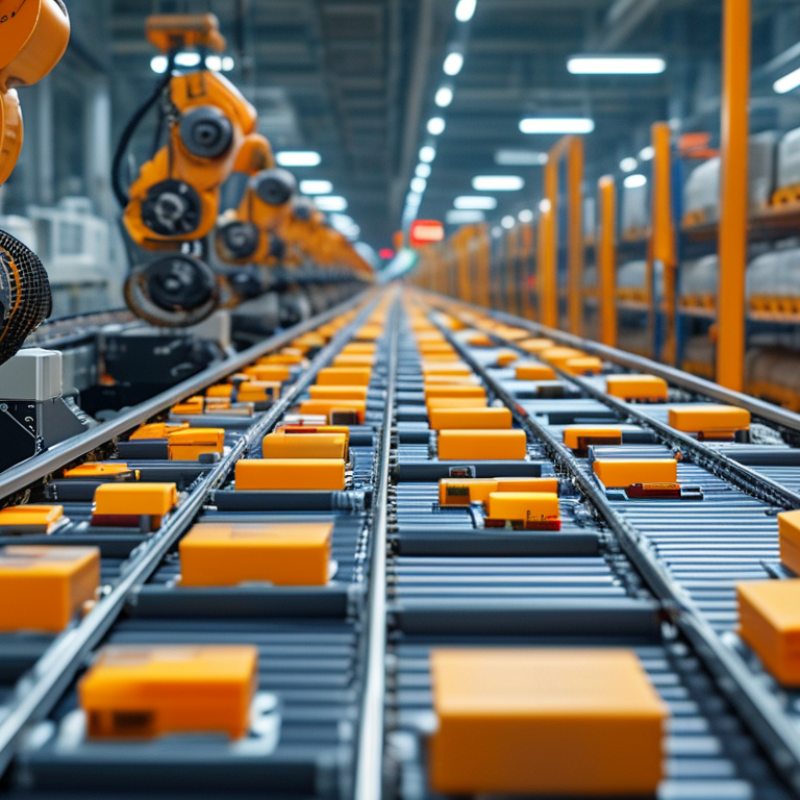
Sorting conveyor systems play a crucial role in enhancing material handling efficiency across various industries. These systems streamline operations by automating the sorting of goods based on predetermined criteria. According to a study by the Material Handling Industry of America, companies can improve their sorting speed by up to 30% when utilizing advanced conveyor technologies. This accelerates processing times and reduces the overall labor needed for sorting tasks.
The efficiency of sorting conveyor systems is evident in their ability to minimize errors. Traditional sorting methods often lead to misplaced items and rework. A report from Research and Markets suggests that automated sorting can decrease sorting errors by nearly 20%. However, while these systems offer significant improvements, implementing them requires upfront investments. Not all organizations can afford the initial costs. Additionally, training staff to operate new systems can pose challenges.
Moreover, maintenance of sorting conveyor systems is essential. Neglect can lead to unexpected downtime, affecting overall productivity. It's important for businesses to create a regular maintenance schedule. While the benefits are clear, organizations must critically assess whether the efficiency and accuracy improvements justify the investment and ongoing upkeep. Balancing these factors is key to maximizing the potential of sorting conveyor systems.
| Feature | Description | Benefit |
|---|---|---|
| Speed | Sorting conveyor systems can operate at high speeds, efficiently moving items along the line. | Increased throughput, allowing more items to be processed in less time. |
| Automation | Many sorting conveyor systems are automated, reducing the need for manual handling. | Lower labor costs and reduced human error. |
| Flexibility | Can be configured to handle various sizes and types of materials. | Adaptable to changing inventory needs without major redesign. |
| Space Efficiency | Designed to utilize vertical space effectively. | Maximizes available floor space for other operations. |
| Real-time Data Monitoring | Integrated sensors provide real-time tracking of items. | Enhanced visibility into operations and inventory control. |
: They use various sensors like color and weight sensors for accurate identification.
Mechanical parts, like conveyor belt designs, affect item alignment and facilitate separation.
Common challenges include jams, misalignments, and software glitches that need resolution.
Maintenance prevents unexpected breakdowns and ensures continuous optimal performance.
Automation increases efficiency, reduces errors, and lowers labor costs compared to manual sorting.
They use real-time data analysis to adjust sorting parameters dynamically for better adaptability.
They should assess scalability and the investment's alignment with operational goals.
Yes, they can handle various sizes and shapes, making them suitable across multiple sectors.
The initial setup can be complex and requires careful planning to avoid future issues.
Training staff on troubleshooting can save time and reduce downtime from minor glitches.
Sorting conveyor systems are essential in enhancing material handling efficiency across various industries. By utilizing advanced mechanisms for sorting and separation, these systems streamline the movement of goods, reduce manual labor, and optimize operational workflows. Key components of sorting conveyor systems, such as sensors, actuators, and controls, play crucial roles in accurately identifying and sorting materials, showcasing how do sorting conveyor systems work to achieve efficient processing.
Automated sorting conveyor systems offer significant advantages over manual processes, including increased speed, accuracy, and reduced error rates. Case studies of successful implementations demonstrate their effectiveness in diverse applications, from logistics to manufacturing, highlighting the tangible benefits of automation in material handling. As industries continue to evolve, the reliance on sorting conveyor systems will likely grow, promising even greater efficiency and productivity.

 Maith Conveyor