Can Conveyor Systems Operate 24/7 Efficiently?

Time:2026-07-14 Author:Aria
0%

In today's fast-paced industrial environment, efficiency is key. The question arises: can conveyor systems work 24/7? Research shows that automation can significantly enhance productivity. According to a study by the Material Handling Industry of America (MHIA), implementing automated systems can boost operational efficiency by up to 30%. This statistic highlights the potential of conveyor systems in continuous operations.

However, operating conveyor systems around the clock is not without challenges. Maintenance costs can rise when machines run nonstop. Data from the U.S. Department of Energy indicates that businesses may face a 15-20% increase in energy usage for 24/7 operations. Organizations must weigh these factors against the potential benefits of round-the-clock productivity.

Moreover, workforce concerns arise with continuous operation. Employee fatigue can lead to decreased performance. An analysis from the Occupational Safety and Health Administration (OSHA) suggests that managing employee well-being is crucial when considering extended operational hours. Thus, businesses must thoughtfully balance the drive for productivity with the need for a sustainable work environment.
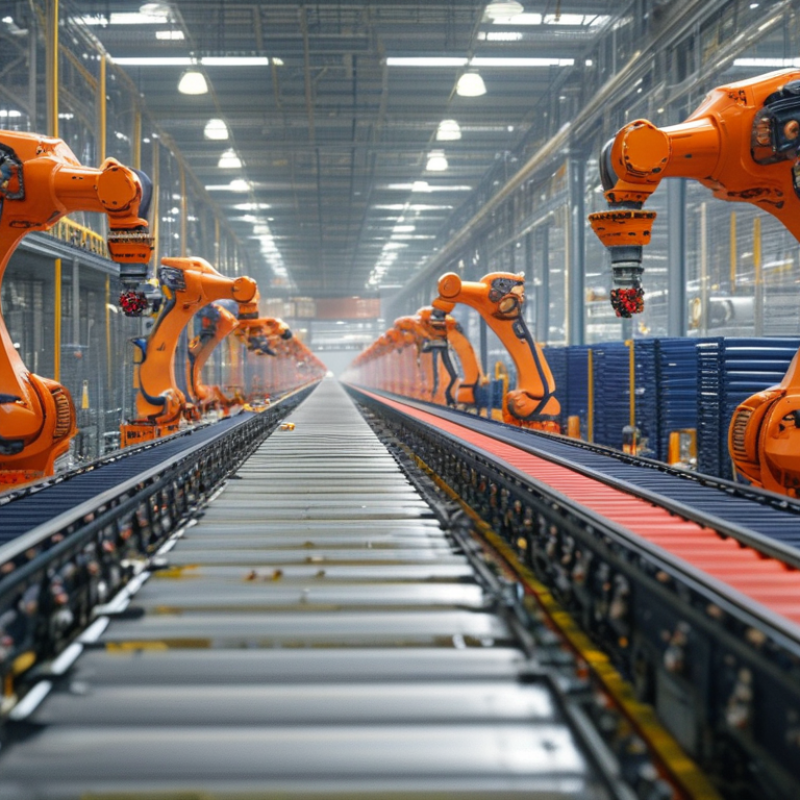
Can Conveyor Systems Operate 24/7 Efficiently?

Overview of Conveyor Systems and Their Operations

Conveyor systems are integral to modern manufacturing. They facilitate the smooth transport of materials, enhancing operational efficiency. According to a 2021 survey by the Material Handling Industry, 30% of companies reported that automated conveyor systems significantly improved their workflow.

The efficiency of these systems does not solely depend on their design. Regular maintenance is crucial. Without it, systems can face downtime, potentially reducing production capacity by up to 20%. This situation necessitates periodic inspections and the replacement of worn parts. Operators must also be aware of the load capacities of their conveyors to avoid malfunctions.

In addition, the integration of technologies such as IoT can help monitor conveyor performance in real-time. This can lead to predictive maintenance, ultimately increasing operational longevity. However, the dependence on technology raises concerns about cybersecurity and data integrity. Industry reports indicate that 25% of manufacturers have experienced cyber threats. Thus, while conveyor systems can ideally run 24/7, careful consideration of maintenance and security measures is essential for ensuring their efficient operation.

Efficiency of Conveyor Systems Operating 24/7

This bar chart illustrates the efficiency percentage of conveyor systems operating continuously over five weeks. The data shows a generally high level of efficiency, indicating the ability of these systems to function effectively across extended periods of operation.

Factors Affecting 24/7 Operational Efficiency of Conveyor Systems

Conveyor systems are vital in modern manufacturing and logistics. However, operating them continuously, 24/7, presents challenges. Several factors influence their efficiency during all hours. Regular maintenance is crucial for optimal performance. If a conveyor belt is not routinely inspected, unexpected breakdowns can occur. Such interruptions can lead to delays and increased costs.


Operational efficiency also depends on the load capacity of the system. An overloaded conveyor may struggle to function properly. This can slow down production and even cause wear and tear. It’s important to balance the load to avoid overwhelming the system. Understanding the materials being transported is equally important. Different items may require variations in speed and handling.


Training staff plays a significant role as well. Employees must know how to operate the systems effectively. Mismanagement or lack of awareness can lead to accidents or reduced efficiency. Moreover, integrating technology can simplify monitoring. Yet, reliance on automation without proper oversight can create its own problems. Balancing human expertise with technology is essential for achieving true efficiency.

Advantages of Continuous Operation in Conveyor Systems

Conveyor systems operating 24/7 present numerous advantages in various industries. Continuous operation increases productivity by maximizing uptime. Reports indicate that maintaining a 24-hour operation can enhance throughput by up to 30%. This efficiency becomes especially critical in sectors like manufacturing and logistics, where demand can fluctuate.


Efficiency can be improved through smart design and regular maintenance. A well-maintained conveyor can operate smoothly for extended periods, reducing the risk of breakdowns. The average downtime for conveyor systems can exceed 20 hours monthly, adding significant costs to operations. Implementing predictive maintenance can help mitigate this issue, ensuring that any potential problems are identified early.


Tips: Regularly train staff on operation best practices. This development can minimize human error, leading to smoother workflows. Consider investing in upgraded systems that incorporate automation and AI. These can provide real-time monitoring and analytics, enhancing overall performance. Continuous improvement should be a focus, ensuring systems adapt to growing demands and changing market conditions.

Maintenance Strategies for Optimizing 24/7 Conveyor Performance

Ensuring conveyor systems operate efficiently around the clock requires effective maintenance strategies. Regular inspection is critical. Technicians should examine belts, pulleys, and motors. This prevents small issues from escalating. Scheduled downtime for maintenance is essential to avoid unexpected breakdowns. Allocate specific times for thorough checks and repairs.

Tips: Always keep a detailed log of maintenance activities. This record helps identify recurring problems. It also supports decision-making for future upgrades.

Optimizing conveyor performance includes training operators. They should understand proper handling procedures. Misuse can lead to excessive wear and tear. Encourage team discussions about challenges faced during operations. Conversations can reveal overlooked issues or inefficiencies.

Tips: Implement a feedback system. Operators can report their observations easily. This fosters a culture of continuous improvement. Regularly revisit and update maintenance protocols. Reflect on past performance to enhance future operations.

Can Conveyor Systems Operate 24/7 Efficiently? - Maintenance Strategies for Optimizing 24/7 Conveyor Performance

Maintenance Strategy Frequency Expected Downtime (Hours) Impact on Efficiency (%)
Routine Inspection Weekly 1 5
Lubrication of Bearings Monthly 2 10
Belt Alignment Check Quarterly 4 15
Component Replacement Biannually 6 20
System Training for Operators Annually 3 8

Case Studies of Industries Utilizing 24/7 Conveyor Systems

Many industries today rely on 24/7 conveyor systems to enhance operational efficiency. For instance, the food and beverage sector has seen a dramatic rise in productivity. According to a report by the International Journal of Advanced Manufacturing Technology, implementing continuous conveyor systems can increase throughput by up to 30%. This improvement allows companies to meet consumer demands without compromising quality.

However, operating conveyor systems around the clock comes with challenges. Maintenance is a pressing concern. Downtime for repairs can disrupt production schedules. A study by the Conveyor Equipment Manufacturers Association noted that nearly 10% of conveyor system downtime was attributed to mechanical failures. Manufacturers are increasingly investing in predictive maintenance technologies. This approach aims to identify issues before they escalate, ensuring smoother operations.

The automotive industry also embraces 24/7 conveyor systems. Assembly lines utilize these systems to maintain steady production. Research indicates that automotive manufacturers have improved their production cycle times by approximately 25% using continuous conveyors. However, variations in part availability can lead to bottlenecks. Continuous assessment and adaptation are essential to mitigate these risks and realize the full potential of 24/7 operations.

FAQS

: What are the benefits of continuous operation in conveyor systems?

: Continuous operation boosts productivity and can enhance throughput by up to 30%. This is vital in manufacturing and logistics.

How can efficiency be improved in conveyor systems?

Smart design and regular maintenance are key. A well-maintained conveyor reduces the chances of breakdowns.

What is the average downtime for conveyor systems?

The average downtime can exceed 20 hours monthly. This adds significant costs to operations.

What maintenance strategies ensure efficient operation?

Regular inspections of belts, pulleys, and motors are essential. This prevents small issues from escalating.

Why is scheduling downtime for maintenance important?

Scheduled maintenance prevents unexpected breakdowns. Allocate specific times for thorough checks and repairs.

How can staff training impact conveyor system performance?

Training staff on best practices minimizes human error. Proper handling procedures reduce excessive wear and tear.

What role does operator feedback play in maintenance?

A feedback system allows operators to report observations easily. This encourages continuous improvement.

Why is it important to keep a detailed log of maintenance activities?

Detailed logs help identify recurring problems and support future upgrade decisions. This improves long-term efficiency.

How can operators contribute to identifying inefficiencies?

Operators can discuss challenges they face. Conversations often reveal overlooked issues that need addressing.

What should be done with maintenance protocols over time?

Regularly revisit and update maintenance protocols. Reflecting on past performance enhances future operations.

Conclusion

In exploring whether "can conveyor systems work 24/7," it's essential to understand the operational dynamics of these systems. Conveyor systems are designed to enhance efficiency in various industries, but their ability to function continuously depends on several factors. Key considerations include the design of the system, the type of materials being transported, and the maintenance schedules in place.

Emphasizing the advantages of continuous operation, industries can achieve increased productivity, reduced labor costs, and streamlined workflows. However, to optimize 24/7 performance, strategic maintenance is crucial. Implementing regular inspections and timely repairs can mitigate potential downtime, ensuring that conveyor systems function reliably round the clock. By examining real-world case studies, we can see how businesses successfully utilize these systems for continuous operations, affirming their role in modern industrial processes.

Aria

Aria

Aria is a dedicated marketing professional with a deep passion for innovative strategies and a keen understanding of our company's product offerings. With a wealth of experience in the industry, Aria excels at crafting engaging content that highlights the unique features and benefits of our......