Choosing the right conveyor system for heavy pallets is crucial for efficient operations. Many companies wonder, "can conveyor systems handle heavy pallets?" The answer is multifaceted. Heavy pallets can significantly impact the performance of a conveyor system. This inquiry leads to important considerations in selecting the appropriate system.
When thinking about conveyor systems, one must consider weight capacity, material durability, and operational efficiency. Some systems excel at moving lighter loads, while others are specifically designed for heavy pallets. Assessing your specific needs is vital. Are your pallets irregularly shaped? Do they require special handling? These factors also influence your choice.
Investing in the right conveyor system can improve workflow and reduce labor costs. However, choosing incorrectly can lead to operational bottlenecks and increased maintenance. Real-world examples show that companies often overlook the nuances of their load requirements. Reflecting on past decisions can guide better choices in the future.
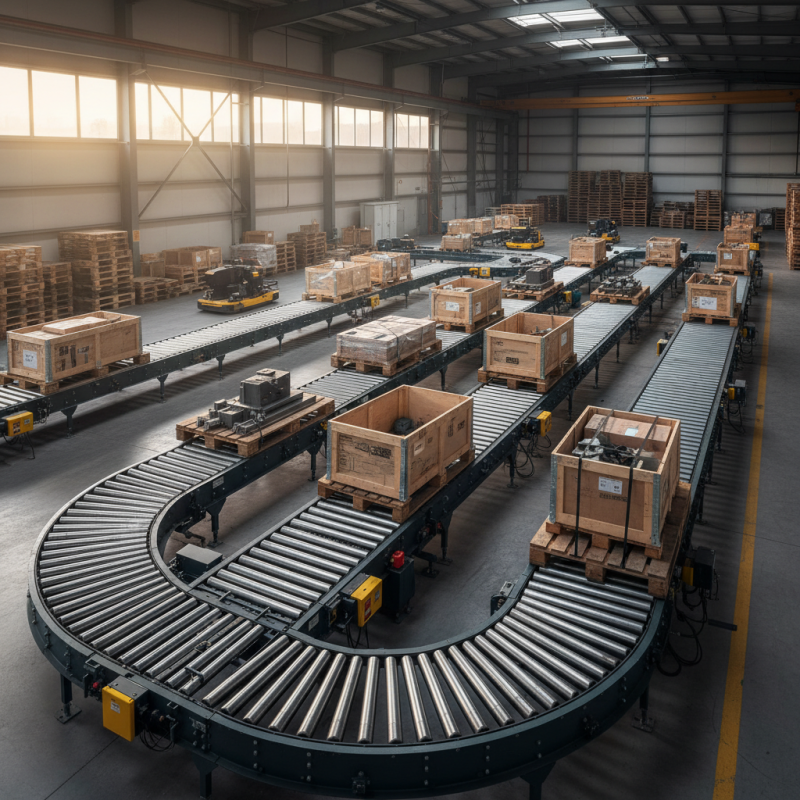
Choosing the right conveyor system for heavy pallets is essential for efficient handling. Understanding your specific requirements is critical. Factors like weight capacity, pallet dimensions, and the environment where the system will operate play a significant role. Customization is often necessary.
For example, consider the weight distribution of your pallets. Uneven weight can lead to system malfunctions. Analyze how products are loaded and unloaded. This analysis helps in selecting the right conveyor type. You might think about roller conveyors for smooth movement or belt systems for stability.
Tips for selection: Assess the maximum weight capacity needed. Look for systems that can handle excess but remain energy efficient. Maintenance needs should also be considered; a complex system may require more downtime. Always involve engineers during your planning stages. Their insights can prevent costly mistakes. Reflect on previous experiences to gauge potential challenges.
When evaluating conveyor systems for heavy loads, several factors come into play. The weight and size of the pallets are critical. Heavy pallets may require robust solutions, such as heavy-duty rollers or belt systems. It is essential to assess the material types involved. Steel components offer durability, while plastic systems can reduce wear and tear on delicate loads.
The layout of your facility can influence your choice. Curved or inclined conveyors might suit specific workflows. Consider the required throughput. High demand may necessitate faster systems, while low traffic areas can benefit from slower, more economical options. Safety and maintenance should also be part of the conversation. A conveyor needing frequent repairs adds hidden costs.
It’s sometimes challenging to determine the right system. Trade-offs may occur between speed and load capacity. Testing various configurations could highlight inefficiencies. Remember, no one-size-fits-all solution exists. Every operation has unique challenges that require careful consideration and adjustments. Reflect on these factors to make informed decisions.
Choosing the right conveyor system for heavy pallets involves understanding the load capacity and durability of materials. Assessing these factors is crucial for optimal performance. Heavy pallets place significant stress on conveyor systems. Therefore, it's essential to select materials that can withstand this pressure over time. Steel and reinforced plastics often stand out due to their strength and resilience.
Load capacity should be calculated not just based on weight, but also on pallet dimensions and distribution. Ensure the conveyor's design accommodates these factors. Durability is another important aspect. Some materials may seem robust but can deteriorate quickly when exposed to harsh environments. Temperature changes, moisture, and chemicals can all affect material integrity.
It's also worth considering the long-term costs associated with maintenance and replacements. A cheaper initial purchase may lead to higher costs later on. Regular inspections can help identify wear and tear before it becomes a critical issue. Reflecting on these elements will guide you in making a more informed decision.
When selecting conveyor systems for heavy pallets,
safety features cannot be overlooked. According to the U.S. Bureau of Labor Statistics,
material handling accidents account for nearly 25% of workplace injuries.
Therefore, incorporating robust safety measures is essential to mitigate risks.
Conveyor systems must include features such as
emergency stop buttons, guards, and sensors to detect any obstructions.
These elements not only protect workers but also ensure the smooth operation of the system.
Awareness of safety standards is crucial. The American National Standards Institute (ANSI)
emphasizes the need for conveyor systems to comply with safety regulations.
Failure to adhere to these standards can lead to legal repercussions and increased liability risks.
Additionally, it is vital to consider worker training in using these systems safely.
A lack of proper training can render even the best safety features ineffective.
Furthermore, regular maintenance is often neglected.
Over 30% of conveyor system failures stem from inadequate upkeep.
Routine checks can prevent hazardous situations caused by wear and tear.
As companies invest in advanced conveyor technology, they must balance
innovative features with reliable safety practices.
Fostering a culture that prioritizes safety
can greatly reduce workplace incidents and improve efficiency.
Integrating automation and control systems is vital for efficient pallet movement. Automated conveyor systems are designed to handle heavy pallets with precision. These systems can significantly reduce manual labor and improve safety in the workplace. When choosing a conveyor system, understanding the specific needs of your operation is crucial.
Automated systems can be adapted to various industrial processes. They can consist of robots, sensors, and control software that allow real-time monitoring and tracking. By using advanced algorithms, these systems can optimize pallet movement based on the workflow. This reduces bottlenecks and improves overall productivity.
However, not every system suits every operation. It's essential to assess your current setup. Consider the layout, weight capacity, and frequency of use. Regularly reviewing and upgrading your automation systems can help maintain efficiency. A system that worked well a few years ago may not meet today's demands. Understanding these nuances ensures the right balance between technology and human oversight.
: Safety features help prevent material handling accidents, which make up about 25% of workplace injuries.
Essential features include emergency stop buttons, guards, and obstruction-detecting sensors.
Proper training ensures workers can use safety features effectively, minimizing risks and accidents.
Non-compliance can lead to legal issues and increased liability risks for companies.
Over 30% of conveyor failures are due to poor maintenance. Routine checks help prevent hazardous situations.
Automated systems reduce manual labor and enhance safety, optimizing workflow with real-time monitoring.
No, the choice depends on specific needs like layout, weight capacity, and frequency of use.
Outdated systems may not meet current demands. Regular upgrades keep efficiency high.
Too much reliance on automation without human input can lead to issues. Thoughtful integration is crucial.
Fostering a safety-first culture and ensuring proper training and maintenance can vastly improve workplace safety.
When selecting conveyor systems for heavy pallets, it is crucial to start by identifying the specific requirements for handling such loads. Factors such as the nature of the pallets, their weight, and the operational environment will influence the choice. Evaluating different types of conveyor systems is essential, as options vary in their ability to accommodate heavy loads, each offering distinct advantages.
Moreover, assessing the load capacity and durability of the materials used in conveyor systems is vital to ensure they can handle heavy pallets effectively. Safety features must not be overlooked, as they play a significant role in protecting both the machinery and the operators. Finally, integrating automation and control systems can streamline the movement of pallets, enhancing overall efficiency. Ultimately, understanding if and how conveyor systems can handle heavy pallets is essential for optimizing logistics and operations in industrial settings.

Maith Conveyor