How to Choose Between Belt and Roller Conveyors?

Time:2026-08-13 Author:Amelia
0%

Choosing the right conveyor system can greatly influence your operational efficiency. When considering your needs, it raises an important question: what is the difference between belt and roller conveyors? Each type has its advantages and drawbacks. Understanding these differences is crucial for making an informed decision.

Belt conveyors are versatile and often used for handling various materials, including fragile products. They provide a smooth surface for items and can transport goods over long distances. However, they may not be ideal for heavy loads. In contrast, roller conveyors excel in transporting heavy or bulky items. They allow for gravity-powered movement, making them easy to use in certain settings.

Still, the choice isn’t straightforward. Each application has unique demands that could sway your decision. Do you need flexibility or durability? Consider how each system aligns with your workflow. Taking the time to reflect on your specific requirements is essential, as the right choice can lead to significant efficiency gains.
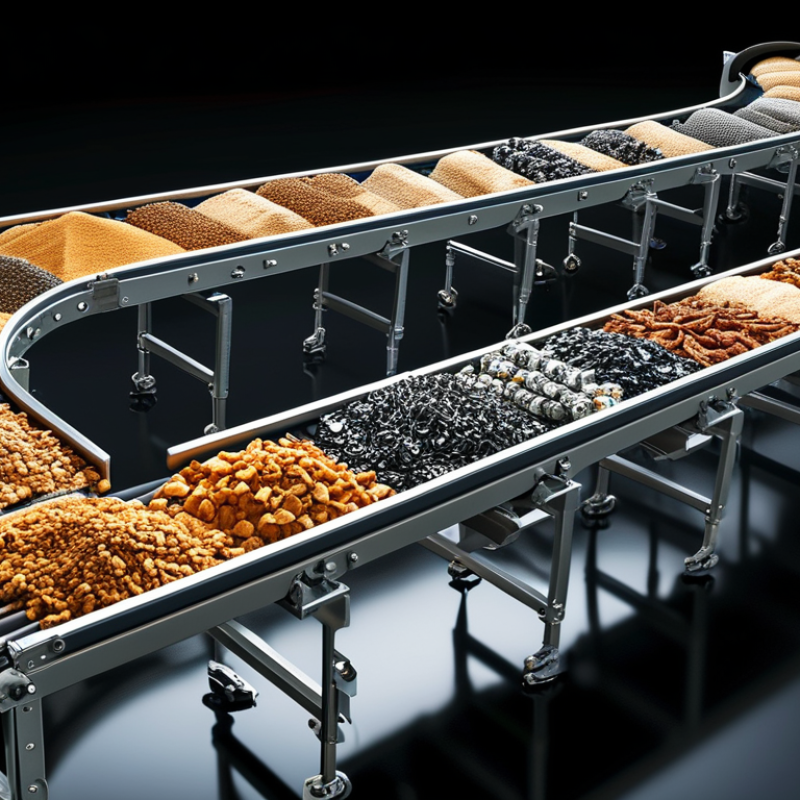
How to Choose Between Belt and Roller Conveyors?

Factors to Consider When Choosing a Conveyor System

When selecting a conveyor system, several factors come into play. The type of materials being transported is crucial. For instance, heavier items may benefit from roller conveyors, which provide better support and stability. In contrast, lighter items can run efficiently on belt conveyors, especially over longer distances. Each system has its advantages, and understanding your product weight and size can guide your choice.

Additionally, consider the layout of your workspace. Roller conveyors work well in straight, flat environments, while belt conveyors can navigate curves and changes in elevation more adeptly. The space available may force you to rethink your initial choice. Maintenance needs should not be overlooked, either. Roller systems typically require more attention due to their mechanical parts. On the other hand, belts are easier to replace but can wear out quickly. Evaluating these elements can streamline your operations and lead to higher efficiency.

Comparison of Belt Conveyors and Roller Conveyors

When choosing between belt conveyors and roller conveyors, several factors come into play. Belt conveyors are ideal for transporting loose or packaged items. They provide a continuous surface, making them suitable for bulk materials. Their design allows for an even distribution of weight, reducing the risk of damage to the goods being transported.

On the other hand, roller conveyors offer flexibility in movement. They are better suited for heavier items and can handle irregular shapes. The rollers allow for manual pushing and can be arranged in various configurations. However, they may cause wear on certain items, which is something to consider. Both systems require regular maintenance, as wear and tear can affect performance. Evaluating the specific needs of your operation will help in making the right decision.

Comparison of Belt Conveyors and Roller Conveyors

Applications Best Suited for Belt Conveyors

Belt conveyors are popular in various industries due to their unique applications. They excel in transporting bulk materials like grains, coal, and minerals. The gentle handling of these materials minimizes damage during transit. This is crucial for maintaining product quality and reducing waste.

In addition, belt conveyors are versatile. They can transport items across different elevations and distances. This adaptability makes them suitable for assembly lines, packaging, and distribution centers. For instance, in a food processing facility, a belt conveyor efficiently moves packaged goods to the shipping area. However, the design must accommodate food safety standards.

Yet, challenges exist. Over time, belts can wear out or become misaligned. Regular maintenance is essential to address these issues and ensure reliability. A poorly maintained belt conveyor can lead to production delays. This reflects the importance of choosing a conveyor system that aligns with specific operational needs. Understanding these details can enhance productivity and efficiency in any operation.

Applications Best Suited for Roller Conveyors

When selecting a conveyor system, understanding the applications best suited for roller conveyors is crucial. Roller conveyors excel in handling heavy items with ease and speed. They're commonly used in warehouses and distribution centers, where efficiency is key. For transporting pallets, boxes, or large items, roller conveyors prove reliable. They allow for smooth movement without the need for frequent interventions.

Tips: Always assess the weight and size of your products first. This will guide your choice. A roller conveyor may be ideal for bulk items, but not for small packages.

Another significant area for roller conveyors is in automated systems. These systems often require integration with other machinery, like sorting machines. Roller conveyors can facilitate such workflows seamlessly. They offer simple maintenance, which enhances uptime.

Tips: Regularly check for wear on the rollers. This can prevent unexpected breakdowns. Even small issues can escalate if left unaddressed.

Roller conveyors can also support ergonomic designs, reducing strain on workers. They enable quick access to goods without excessive bending or lifting. Thoughtful layout planning becomes essential in maximizing efficiency and safety. Assess your workspace and ensure the conveyor fits well within your operational flow.

How to Choose Between Belt and Roller Conveyors? - Applications Best Suited for Roller Conveyors

Application Type Best Suited Conveyor Type Key Advantages Typical Industries
Heavy Load Transport Roller Conveyor Handles heavy items, lower friction Manufacturing, Warehousing
Packaging & Sorting Belt Conveyor Gentle handling, versatile Food, Retail
Small Item Movement Roller Conveyor Efficient for small packages, automated systems E-commerce, Logistics
Wire and Cable Handling Belt Conveyor Flexible configurations, low maintenance Electronics, Manufacturing
Bulk Material Handling Belt Conveyor Continuous transport, high capacity Mining, Agriculture

Cost and Maintenance Considerations for Conveyor Systems

When choosing between belt and roller conveyors, cost and maintenance are crucial factors. Belt conveyors generally have lower initial costs. However, they require more maintenance over time. Frequent belt replacements can add up. The materials used in belts often wear out quickly, depending on the application and environment.

On the other hand, roller conveyors usually have higher upfront costs but are more durable. They tend to need less frequent maintenance. It’s vital to consider the overall cost of ownership. Regular inspections can help identify issues before they become costly repairs. Balancing initial costs with long-term maintenance needs is essential.

In practical terms, the choice may also depend on the workload. Heavier items might benefit from roller conveyors. For lighter loads, belt systems may suffice. Weighing these considerations can help make a more informed decision, yet each option comes with its own set of challenges. Recognizing these nuances is key to ensuring efficiency and reliability in your operations.

FAQS

: What factors should be considered when selecting a conveyor system?

: Consider material type, workspace layout, and maintenance needs. These elements impact your efficiency.

Why are roller conveyors suited for heavier items?

Roller conveyors provide better support and stability for transporting heavier items.

What advantages do belt conveyors have for lighter items?

Belt conveyors can efficiently transport lighter items over long distances.

How does workspace layout affect conveyor choice?

Straight, flat areas suit roller conveyors, while belt conveyors handle curves and elevation changes better.

What maintenance needs do roller systems have?

Roller systems often require more attention due to mechanical parts and alignment issues.

Are belt conveyors easy to maintain?

Belts are easier to replace but can wear out quickly. Regular checks are important.

Where are belt conveyors commonly used?

They excel in transporting bulk materials like grains and can be found in assembly lines and distribution centers.

What issues can arise with belt conveyors?

Belts may wear or misalign over time, leading to production delays if not properly maintained.

How does proper maintenance impact productivity?

Regular maintenance is vital. Neglecting it can result in inefficiencies and operational challenges.

What is important for food processing facilities using belt conveyors?

The conveyor design must meet food safety standards to ensure product integrity during transport.

Conclusion

When choosing between belt and roller conveyors, several factors need to be considered to ensure optimal performance for specific applications. Key aspects include the type of materials being transported, the required speed, and the environment in which the conveyor will operate. The primary difference between belt and roller conveyors lies in their design and functionality; belt conveyors utilize a flexible belt that is ideal for moving items over long distances and inclined surfaces, while roller conveyors employ a series of rollers, providing easier manual handling and higher load capacities.

Applications for belt conveyors are best suited for bulk materials, fragile items, or when a continuous flow is necessary, whereas roller conveyors excel in scenarios requiring frequent changes in direction or lower friction for package handling. Additionally, cost and maintenance considerations play a significant role in the decision-making process, with both systems offering unique advantages and challenges. Understanding these differences can guide users in selecting the most effective conveyor system for their needs.

Amelia

Amelia

Amelia is a seasoned marketing professional with a wealth of expertise in our company’s core offerings. With an unwavering passion for driving growth and innovation, she plays a pivotal role in shaping our marketing strategies and enhancing brand visibility. A key aspect of her responsibilities......