Conveyor systems are vital in many industries. They enhance efficiency by transporting materials quickly and reliably. However, failures can occur unexpectedly. Understanding what causes conveyor system failures is crucial for maintaining operations. These failures can stem from various factors, including mechanical wear, misalignment, and inadequate maintenance practices.
Many times, operators overlook regular inspections. This neglect can lead to serious issues down the line. Components may degrade faster without timely checks, causing unplanned outages. Additionally, environmental factors and load imbalances may exacerbate wear and tear, leading to breakdowns. Such failures can result in costly delays and reduced productivity.
Addressing these failures requires a proactive approach. Implementing routine maintenance schedules can help identify potential problems early. Training staff to recognize signs of wear is also essential. By focusing on prevention, companies can significantly reduce the risk of unexpected failures and ensure smooth operation. Understanding what causes conveyor system failures is the first step toward effective solutions.
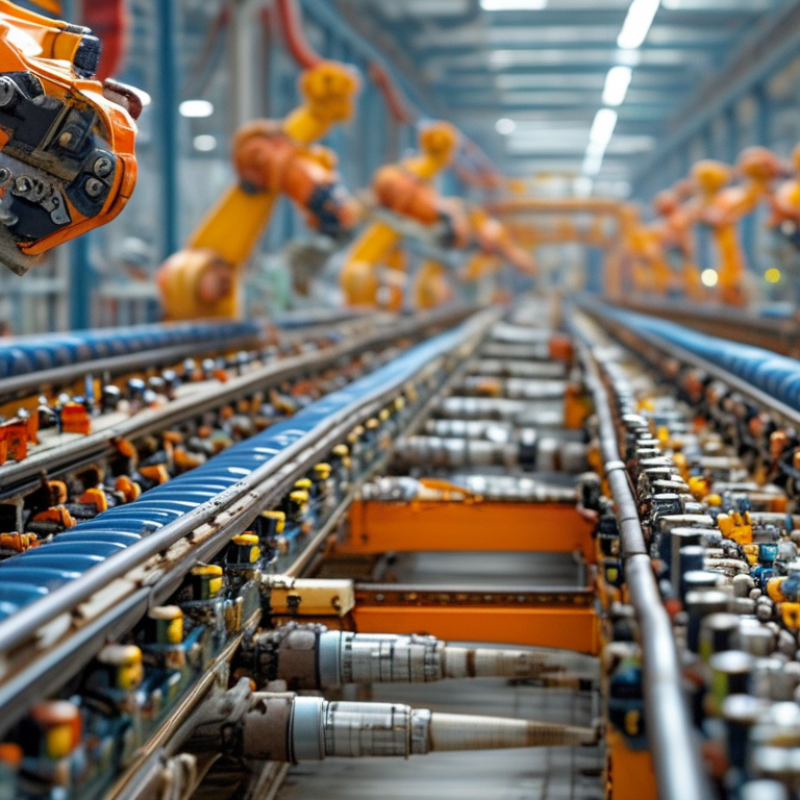
Conveyor systems are crucial for many industries, yet they often fail due to various reasons. A report by the Conveyor Equipment Manufacturers Association (CEMA) states that incorrect installation, lack of maintenance, and wear and tear account for over 70% of failures. Many operators overlook the importance of routine inspections and preventive measures. Ignoring these aspects can lead to costly downtimes and inefficient operations.
One common cause of failure is misalignment. When components are not properly aligned, it can lead to increased friction and eventual breakdown. This issue frequently arises from improper setup or natural wear over time. Additionally, material buildup can obstruct the system, leading to overheating and damage. In a study published by the International Journal of Material Handling, nearly 40% of conveyor system issues stem from material-related problems.
**Tip:** Regularly check for signs of misalignment and address them promptly. Training operators on proper maintenance can significantly reduce failure rates.
Another factor can be insufficient training. Operators unaware of best practices may inadvertently cause damage. Inadequate knowledge about operational limits can exacerbate issues.
**Tip:** Invest in ongoing training programs to keep staff informed and skilled in handling these systems. Engaged and knowledgeable employees are crucial for reliability.
| Failure Cause | Description | Fix |
|---|---|---|
| Misalignment | Belt or rollers are not properly aligned causing friction and wear. | Adjust the alignment of rollers and pulleys. |
| Wear and Tear | Components such as belts, pulleys, and bearings degrade over time. | Regular maintenance and timely replacement of worn parts. |
| Overloading | Conveyor system is loaded beyond its capacity leading to breakdown. | Implement weight sensors and adjust load as needed. |
| Poor Maintenance | Neglecting regular maintenance checks can cause unnoticed issues. | Establish a routine maintenance schedule and keep records. |
| Electrical Failures | Issues in electrical components such as motors and sensors. | Conduct regular inspections and promptly address electrical issues. |
| Contamination | Dust and debris accumulation can impede functionality. | Regular cleaning and use of covers to protect components. |
: Incorrect installation, lack of maintenance, and wear account for over 70% of failures.
Misalignment increases friction and can lead to breakdowns, causing major operational issues.
Regular maintenance can prevent minor issues from escalating into costly downtimes.
Proper training reduces the likelihood of accidental damage and improves overall efficiency.
Dust, moisture, and temperature can accelerate wear, leading to failures.
Regular inspections, maintenance logs, and early intervention can significantly reduce risks.
It allows businesses to anticipate failures before they occur, reducing unexpected downtimes.
Neglected systems can face increased downtime, leading to lost productivity and revenue.
Regular visual inspections can reveal issues like cracks or unusual noises before they escalate.
Each system has unique challenges; a generic approach may not address specific needs effectively.
Understanding what causes conveyor system failures is crucial for maintaining operational efficiency in various industries. Common causes include mechanical wear and tear, which can significantly impact conveyor performance over time. Additionally, environmental factors, such as temperature fluctuations and exposure to dust or moisture, can exacerbate these issues, leading to system malfunctions.
To mitigate these risks, implementing effective maintenance strategies is essential. Regular inspections and timely repairs can prevent costly downtime and extend the lifespan of conveyor systems. Furthermore, having a clear troubleshooting process in place ensures that operators can quickly address and rectify issues as they arise, minimizing disruptions to productivity. By being proactive about potential failures, businesses can enhance the reliability of their conveyor systems.

 Maith Conveyor