2026 Top Guide to Choosing the Right Warehouse Conveyor System?

Time:2026-06-29 Author:Henry
0%

Choosing the right warehouse conveyor system is crucial for optimizing operations. In a fast-paced environment, efficiency is key. However, selecting the ideal system can be complex. There are many factors to consider, and mistakes can be costly.

When evaluating options, it's essential to assess your specific needs. The height, weight, and types of products affected how to choose the right warehouse conveyor system. Integration with existing equipment is also vital. A mismatch could lead to delays or increased costs. Despite thorough planning, unforeseen challenges often arise.

Many businesses overlook the impact of employee training when implementing a new system. A conveyor may be state-of-the-art, yet if staff are untrained, productivity suffers. Expert advice can guide this process, but it’s critical to remain adaptable to changes in operations. Luck and intuition also play their parts, reminding us that no choice is without risks.
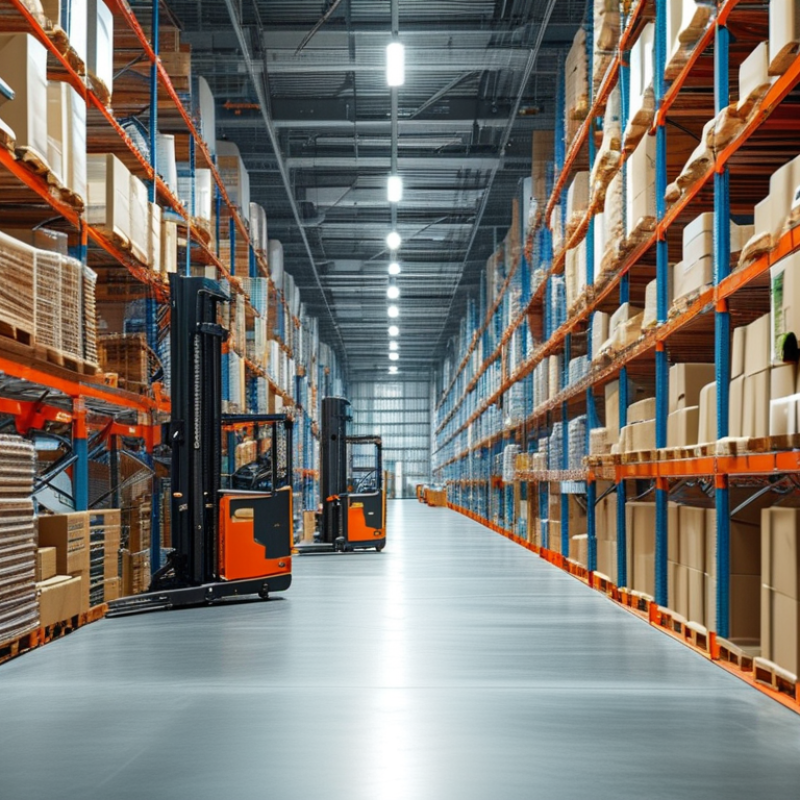
2026 Top Guide to Choosing the Right Warehouse Conveyor System?

Top Considerations for Choosing a Warehouse Conveyor System in 2026

When selecting a warehouse conveyor system in 2026, consider the flow of your operations. The design must align with your specific needs, such as the size and weight of products. A well-planned system will maximize efficiency. Think about how items move through your space. Every inch counts in tight layouts. Evaluate speed and volume. Can your system handle peak loads? Underperformance can lead to serious issues.

Don’t overlook maintenance. Reliable systems require less downtime. Investigate how easy it is to service the equipment. Long-term costs may come from unexpected repairs. Also, consider the scalability of your choice. Will it adapt if your business grows? Flexibility is vital in a fast-changing landscape.

Lastly, user experience is crucial. Employees should be comfortable with the technology. Inadequate training can lead to inefficiencies. Gather feedback from your team during the selection process. Their insights can shape a better solution. Building a conveyor system is not just about technology; it’s about people, too.

Key Types of Warehouse Conveyor Systems and Their Applications

When selecting a warehouse conveyor system, understanding the key types available is crucial. Each type serves distinct functions and fits different operational needs. Roller conveyors are ideal for heavy loads, enabling smooth movement across floors. Belt conveyors excel in transporting boxes or packages, providing a reliable and gentle handling method. Lastly, modular conveyors are versatile and can be adapted to meet changing warehouse layouts.

Tips for choosing the right system include analyzing your space and load requirements. A thorough assessment can prevent costly mistakes. Consider future expansion needs. Implementing a flexible conveyor system can save time and money down the road.

Some systems may struggle with uneven loads, leading to jams and downtime. Additionally, regular maintenance is essential to optimize performance. Ignoring these factors can disrupt workflow and affect productivity. Evaluate your processes regularly to ensure your system is still the right fit for your warehouse's evolving demands.

Efficiency Metrics: Measuring Conveyor System Performance in Warehousing

When evaluating conveyor systems in a warehouse, efficiency metrics play a crucial role. To optimize performance, one must consider throughput, speed, and downtime. Throughput measures how many items pass through the system within a timeframe. A high throughput indicates an efficient system. However, it’s essential to remember that speed may compromise accuracy. Balancing speed and precision is vital.

Downtime is another critical metric. It can arise from mechanical failures, routine maintenance, or system reconfigurations. To mitigate downtime, regular inspection and predictive maintenance are recommended. Identifying potential issues early can enhance system reliability. Tracking these metrics over time provides insights into performance trends. It helps in making necessary adjustments to enhance overall efficiency.

Data analysis is crucial for understanding these metrics. Technologies like IoT devices can offer real-time data collection. Yet, relying solely on technology without skilled personnel to interpret the data could lead to misguided decisions. Continuous training of staff ensures that they can manage the systems effectively. Mistakes will happen, but learning from them leads to improvements.

Warehouse Conveyor System Efficiency Metrics

Understanding the Cost-Benefit Analysis of Conveyor Systems in 2026

The cost-benefit analysis of conveyor systems in warehouses is crucial in 2026. Many logistics managers overlook hidden costs. It's not just the purchase price that matters. Maintenance expenses and energy consumption can significantly impact the overall budget. For instance, a high-speed conveyor might increase efficiency but could have higher energy costs.

Evaluating the long-term benefits is essential. A conveyor system should improve productivity and reduce labor costs. However, not every system fits every warehouse. Space constraints or product types can limit options. Investing in a tailored system may seem more expensive initially, but it can pay off through enhanced efficiency over time.

These decisions require thorough research. Many factors, like worker safety and downtime costs, come into play. It's easy to focus solely on upfront costs and overlook potential losses. Engaging with industry experts can provide vital insights. Yet, many organizations fail to gather enough data before making such decisions. Reflecting on past experiences can improve future selections.

Future Trends in Warehouse Conveyor Technology and Automation Solutions

In the evolving landscape of warehouse logistics, conveyor technology plays a central role. The demand for efficiency and automation is reshaping operations. A recent report by the Material Handling Industry (MHI) found that 78% of warehouses are investing in automation technologies. These systems dramatically reduce manual labor and increase productivity.

The future trends point toward smarter, more adaptable conveyor systems. For instance, AI and machine learning are now integrated, allowing these systems to optimize routes in real-time. According to a study from the Warehousing Education and Research Council (WERC), flexible conveyor designs can enhance space utilization by 30%. This adaptability is vital as warehouses face fluctuating inventory levels and varied product types.

However, the shift to automated conveyor solutions isn't without challenges. High initial costs and the need for skilled operators present barriers. Many facilities struggle to balance automation with training their workforce effectively. Adopting new technologies requires ongoing evaluation and reflection on operational practices. It's crucial to not only invest in advanced systems but also foster a culture of continuous improvement within the workforce.

2026 Top Guide to Choosing the Right Warehouse Conveyor System

Conveyor Type Typical Application Automation Level Cost Estimate (per meter) Future Trend
Roller Bed Conveyor Baggage Handling Moderate $150 - $250 Integration with AI
Belt Conveyor Material Transport Low $100 - $200 Smart Sensors
Flexible Conveyor Shipping Areas High $200 - $350 Robotics Integration
Chain Conveyor Heavy Duty Applications Moderate $250 - $400 IoT Connectivity
Overhead Conveyor Manufacturing High $300 - $500 Augmented Reality Maintenance

FAQS

: What should I consider when selecting a warehouse conveyor system?

: Consider your operations' flow, product size, and weight to maximize efficiency.

How important is maintenance for conveyor systems?

Maintenance is vital. Reliable systems reduce downtime and unexpected repair costs.

Can warehouse conveyor systems adjust to business growth?

Yes, scalability is important. Flexible systems adapt to changing warehouse needs.

What are the key types of warehouse conveyor systems?

Roller conveyors handle heavy loads, while belt conveyors transport boxes gently. Modular conveyors offer versatility.

Why is employee feedback important in choosing a conveyor system?

Employee comfort with technology impacts efficiency. Their insights shape better solutions.

How can future trends affect warehouse conveyor technology?

Smarter systems with AI optimize routes. They enhance space utilization and adapt to inventory changes.

What challenges come with automating conveyor systems?

High initial costs and the need for skilled operators create barriers to automation.

How often should I evaluate my conveyor system's performance?

Regular assessments can prevent costly disruptions and ensure the system meets evolving demands.

Conclusion

In the evolving landscape of warehouse logistics, understanding how to choose the right warehouse conveyor system is crucial for operational efficiency. The key considerations in 2026 include assessing the specific needs of the warehouse, such as the type of goods handled and layout constraints. Different types of conveyor systems are tailored for various applications, from package handling to bulk material transport, making it essential to select the one that aligns with business goals.

Measuring efficiency metrics is another vital aspect, as it helps evaluate the performance of the conveyor system regarding speed and reliability. Additionally, conducting a thorough cost-benefit analysis can provide insights into the investment's long-term viability. As technology advances, future trends indicate a rise in automation solutions that further enhance warehouse operations. Therefore, a comprehensive analysis of these factors will enable businesses to make informed decisions in selecting the most suitable conveyor system for their needs.

Henry

Henry

Henry is a dedicated marketing professional with a profound expertise in the company's offerings. With years of experience in the industry, he possesses an impressive understanding of the market dynamics and consumer behaviors that drive success. Henry is committed to sharing his insights through......